Faculty from the Cutaneous Oncology Workshop answer practical questions spanning skin cancer prevention, diagnosis, treatment, and follow-up.
From prevention and early detection to immunotherapy and radiation, revisit key takeaways from the Cutaneous Oncology Workshop.
The inaugural Dermatology Times NP/PA Connect Cutaneous Oncology Workshop brought advanced practice providers and dermatology experts together in Tampa, Florida, on September 12 for a full day of education focused on the evolving landscape of skin cancer care.
Through expert presentations, case-based discussions, audience Q&As, and hands-on training, faculty explored practical considerations spanning prevention, early detection, diagnosis, treatment, and multidisciplinary management.
Here are 5 highlights from the workshop.
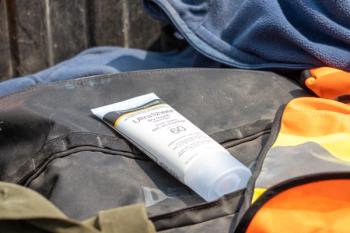
Prevention and early detection were central themes throughout the workshop. Faculty discussed traditional photoprotection alongside additional strategies, including sun-protective clothing and oral agents such as nicotinamide.
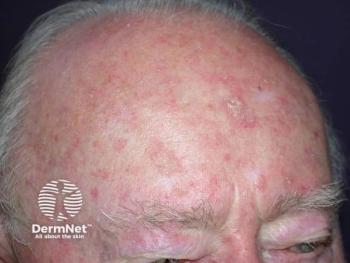
The conversation also extended to actinic keratoses (AKs), where treating field cancerization rather than only individual visible lesions may help address broader areas of photodamage. Treatment selection requires clinicians to consider efficacy alongside factors such as tolerability, treatment duration, cost, and patient preferences.
Sessions on diagnosis and staging highlighted the clinical and histopathologic features that can influence risk across basal cell carcinoma, cutaneous squamous cell carcinoma, melanoma, and Merkel cell carcinoma.
Faculty also discussed the importance of family history and patterns of skin cancer that may warrant consideration of an underlying genetic predisposition. Emerging tools, including gene expression profiling and circulating tumor DNA, were explored as potential additions to risk assessment while questions remain about how they should be incorporated into routine practice.
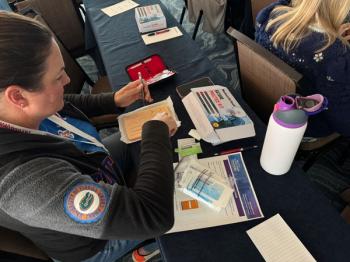
Attendees had an opportunity to move from discussion to practice during a hands-on suturing workshop.
Using individual procedural kits, participants practiced techniques alongside faculty while discussing practical considerations surrounding wound closure. The session added an interactive component to a program otherwise spanning the full spectrum of cutaneous oncology care.
As immune checkpoint inhibitors become increasingly important in oncology, dermatology clinicians may encounter a growing range of cutaneous immune-related adverse events.
Faculty reviewed presentations including eczema, psoriasis, pruritus, lichenoid dermatitis, and bullous pemphigoid, as well as rare severe cutaneous adverse reactions. Early recognition and appropriate management can be particularly important because controlling manageable toxicities may help some patients continue potentially beneficial anticancer treatment.
One theme connected nearly every session: Cutaneous oncology increasingly requires collaboration.
Depending on the disease and patient, care may involve APPs, dermatologists, Mohs surgeons, dermatopathologists, medical oncologists, radiation oncologists, genetic counselors, and other specialists.
Knowing when to involve another clinician—and maintaining communication as patients move between specialties—can be just as important as recognizing the disease itself.
From preventing and identifying early disease to navigating advanced therapies, the workshop demonstrated the increasingly broad role APPs play throughout the skin cancer care continuum.
For more content from Dermatology Times NP/PA Connect Cutaneous Oncology Workshop