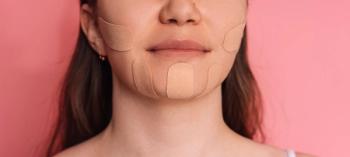
From “Botox in a bottle” to castor oil and face taping, Dermatology Times reviews the evidence behind 3 viral dermatology trends from October.
Hypochlorous acid sprays are trending as a post-gym skin care essential, but can they actually prevent sweat-related breakouts?
From viral skin care hacks to trendy treatment devices, social media is shaping the questions patients bring into the exam room every day. In Dermatology Times’ weekly series, Social Media Mythbusters, we break down trending claims clinicians are hearing in practice—exploring the proposed mechanism, what the evidence shows (or doesn’t), and whether each trend holds up under scrutiny.
In this edition, we're examining whether post-workout facial sprays can prevent acne and replace traditional cleansing after exercise.
Have a social media trend you’d like us to investigate next? Send us the social media myths your patients are asking about, and we may feature them in an upcoming edition. Connect with us on our
For social media users looking to simplify their post-gym skin care routines, facial sprays have emerged as a convenient alternative to washing their faces immediately after exercising. Among the products gaining attention are
The appeal is straightforward: Rather than carrying a cleanser or heading directly to the locker room, users can mist their faces after a workout and continue with their day. Social media claims suggest that this quick step can eliminate acne-causing bacteria, reduce inflammation, and prevent breakouts associated with sweat.
However, these claims raise an important clinical question: Does reducing bacteria on the skin after exercise translate into fewer acne lesions, and can a facial spray accomplish what traditional cleansing does?
HOCl is a naturally occurring antimicrobial compound produced by neutrophils as part of the innate immune response. It acts through oxidative mechanisms that damage microbial structures and has demonstrated activity against a range of microorganisms.
Its antimicrobial and anti-inflammatory properties have supported investigations into wound care, inflammatory skin disorders, and acne vulgaris.
However, acne development involves more than bacterial proliferation. Follicular hyperkeratinization, excess sebum production,
Exercise can introduce additional factors, including sweat accumulation,
Although HOCl may reduce microbial burden, spraying the skin does not necessarily remove accumulated sweat, sebum, makeup, or debris. This distinction is central to evaluating claims that facial sprays can replace cleansing after exercise.
Evidence supporting HOCl as a dermatologic ingredient continues to develop, particularly for its potential role as an adjunctive treatment in acne.
A 2026 review published in Cutis examined the antimicrobial, biofilm-disruptive, and anti-inflammatory mechanisms of topical HOCl. The authors described preliminary findings supporting its potential as an adjunctive acne treatment, while emphasizing the need for larger controlled trials.
Earlier clinical research also demonstrated potential benefits from related chlorine-based formulations. In a randomized, double-blind trial, investigators evaluated
However, sodium hypochlorite is not identical to HOCl, and results from acne treatment trials cannot establish the effectiveness of a single post-workout application of a consumer facial spray.
Importantly, the available studies do not demonstrate that HOCl sprays prevent exercise-associated breakouts or provide equivalent benefits to washing the skin after sweating.
The
These recommendations address the multiple factors that may contribute to post-workout acne rather than targeting bacteria alone.
Partly supported, but the convenience claims exceed the evidence.
HOCl sprays have legitimate antimicrobial properties, and emerging research suggests they may offer benefits as adjunctive acne treatments. Their potential usefulness should not be dismissed simply because they have become popular on social media.
Nevertheless, there is insufficient clinical evidence to conclude that spraying HOCl on the face after exercise prevents acne or offers an effective substitute for cleansing.
For patients who cannot wash their faces immediately after a workout, a skin-formulated HOCl spray may be a reasonable optional step, provided it is well tolerated. However, it should not be presented as a proven preventive intervention or replacement for established skin care practices.
When patients ask whether they should incorporate post-workout facial sprays into their routines, clinicians can emphasize several points:
Ultimately, post-workout facial sprays may offer convenience, but they should complement rather than replace the fundamentals of acne prevention and management.
Social Media Mythbusters is intended for dermatology clinicians. Evidence summaries reflect available literature at the time of publication and do not constitute clinical guidelines.
References