BE BOLD Week 24 data show sustained numerical advantages in joint responses with bimekizumab versus risankizumab in active psoriatic arthritis.
Phase 3 OptIMMize-1 findings show sustained skin clearance, itch reduction, and quality-of-life improvements with risankizumab through 52 weeks.
New findings from the phase 3 OptIMMize-1 trial demonstrate that risankizumab (Skyrizi; AbbVie) provides sustained improvements in skin clearance, itching, and health-related quality of life among children and adolescents with
The findings provide additional evidence supporting interleukin
OptIMMize-1 (NCT04435600) was a multicenter, 4-part phase 3 study evaluating the efficacy and safety of
The study enrolled 137 patients, including adolescents aged 12 to younger than 18 years and children aged 6 to younger than 12 years.
Participants received subcutaneous risankizumab at weeks 0 and 4, followed by maintenance dosing every 12 weeks. Dosing was weight-based in most study groups, with patients weighing at least 40 kg receiving 150 mg and those weighing less than 40 kg receiving 55 mg.
Part 2 included a randomized, assessor-blinded comparison of risankizumab and
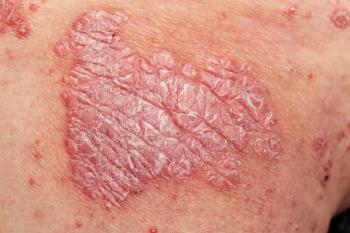
Investigators assessed skin clearance using the Psoriasis Area and Severity Index (PASI) and static Physician's Global Assessment (sPGA), alongside patient-reported itching, quality of life, and safety outcomes.
At week 16, risankizumab demonstrated substantial improvements in skin clearance among adolescents participating in the randomized portion of the trial.
Among 54 patients receiving risankizumab, 80% achieved clear or almost clear skin (sPGA 0/1), compared with 75% of the 28 patients receiving ustekinumab.
PASI 75 responses were achieved by 85% of risankizumab-treated patients and 86% of ustekinumab-treated patients, while PASI 90 responses were observed in 65% and 61%, respectively.
Complete skin clearance, defined as PASI 100, was reported in 41% of patients receiving risankizumab compared with 18% receiving ustekinumab.
Among 30 children enrolled in Part 4, 90% achieved sPGA 0/1 at week 16, while 87% achieved PASI 75, 77% achieved PASI 90, and 43% achieved PASI 100.
Investigators reported that clinical responses were maintained or improved through week 52 among patients receiving continuous risankizumab treatment.
Although numerical differences were observed between treatments, the study did not perform formal statistical comparisons, limiting conclusions regarding comparative efficacy.
Beyond improvements in skin clearance, investigators evaluated the impact of risankizumab on symptoms and health-related quality of life.
Among adolescents in Part 2, treatment was associated with reductions in itch severity and improvements in
These findings are particularly relevant in pediatric psoriasis, where visible plaques, itching, and discomfort can interfere with sleep, social interactions, school activities, and emotional well-being.
The study also examined treatment withdrawal and retreatment. More than half of adolescents who discontinued risankizumab after achieving a response experienced disease flare, while retreatment was associated with renewed clinical improvement.
These observations highlight the importance of sustained disease control when managing chronic inflammatory skin conditions in younger patients.
Across the 52-week study, risankizumab was generally well tolerated, with a safety profile consistent with previous clinical investigations involving adults with psoriasis.
Investigators monitored treatment-emergent adverse events, serious adverse events, treatment discontinuations, and prespecified adverse events of special interest throughout the study.
The findings did not identify a new overall safety pattern in the pediatric population, although longer-term monitoring remains important when evaluating
Psoriasis develops during childhood in approximately one-third of affected individuals, yet treatment options for younger patients remain more limited than those available for adults.
The OptIMMize-1 findings expand the clinical evidence supporting risankizumab as a potential long-term treatment option for pediatric patients requiring systemic therapy.
The observed improvements in skin clearance, itching, and quality of life, together with the safety findings, support the role of IL-23 inhibition in managing moderate-to-severe pediatric plaque psoriasis.
As additional pediatric biologic data emerge, clinicians may be better positioned to individualize treatment decisions based on disease severity, patient age, symptom burden, and long-term management needs.
References