Faculty from the Cutaneous Oncology Workshop answer practical questions spanning skin cancer prevention, diagnosis, treatment, and follow-up.
Stay ahead with a weekly roundup of the biggest practice management, AI, policy, business, and professional development updates in dermatology.
Help your practice thrive—one week at a time.
Welcome to The Practice Brief, your weekly roundup of the news, trends, and ideas shaping the future of dermatology. Each edition highlights the biggest developments in practice management, reimbursement, policy, AI, business, and professional growth, while connecting them to existing Dermatology Times and
The US sunscreen landscape is changing.
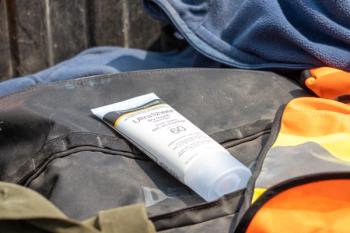
Neutrogena launched 2 facial sunscreen formulations containing bemotrizinol (BEMT), following the FDA’s decision earlier this year to permit the broad-spectrum UV filter at concentrations up to 6% in over-the-counter sunscreens. The FDA described the June 2026 action as the first addition of a new active sunscreen ingredient to the OTC monograph since the late 1990s.
BEMT provides protection across UVA and UVB wavelengths, is photostable, and has low systemic absorption. The FDA determined the ingredient to be generally recognized as safe and effective for adults and children aged 6 months and older.1
The first Neutrogena products incorporating the filter include Ultra Sheer Daily Face Sunscreen SPF 70 and Clear Face Sunscreen SPF 60, the latter of which was developed for acne-prone skin and includes niacinamide and vitamin E.
The arrival of BEMT-containing products could give clinicians another option to discuss with patients who struggle with sunscreen texture, cosmetic acceptability, or daily adherence.1
▶ Why it matters: Sunscreen counseling is only useful when patients actually use the product. As new formulations reach the US market, NPs and PAs should be prepared to explain what new filters do—and remind patients that sunscreen remains only one part of a broader photoprotection strategy.
Skin cancer care increasingly requires APPs to understand more than lesion recognition.
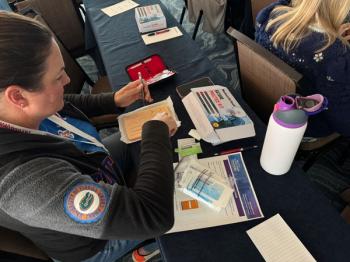
At the inaugural Dermatology Times NP/PA Connect Cutaneous Oncology Workshop in Tampa, Florida, faculty followed skin cancer care across the disease continuum, from prevention and early detection through diagnosis, staging, systemic therapy, radiation, and multidisciplinary management.
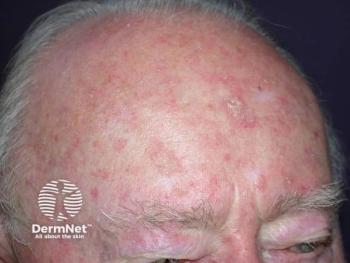
The program addressed practical issues APPs may encounter in everyday practice, including dermoscopy, biopsy decisions, actinic keratosis treatment, hereditary cancer risk, risk stratification, molecular testing, immunotherapy toxicities, and advanced disease management.
That breadth reflects the range of situations in which NPs and PAs may now participate in cutaneous oncology care, whether identifying a suspicious lesion, educating a high-risk patient, helping manage treatment-related adverse events, or coordinating care across specialties.2,3
▶ Why it matters: Knowing when to biopsy is important, but so is understanding what happens after the pathology report. APPs who understand the full skin cancer care pathway can better educate patients, recognize complications, and coordinate appropriate follow-up.
Hidradenitis suppurativa (HS) does not always flare when patients are conveniently at home with their medications and wound-care supplies nearby.
A practical “HS toolbox” can give patients access to supplies for managing pain, drainage, odor, and discomfort when symptoms develop at work, while traveling, or during everyday activities.3
The contents should be individualized, but potential options include clinician-recommended analgesics and topical therapies, antiseptic or zinc pyrithione cleansers, prescribed topical antibiotics or resorcinol, barrier products, gauze or absorbent pads, compress materials, and extra clothing.
Practices can also create sample toolboxes to demonstrate the concept. Including office contact information and instructions for when symptoms warrant additional clinical care can help reinforce that the kit supplements—not replaces—a patient's established treatment plan.
▶ Why it matters: Sometimes improving care does not require another prescription. Helping patients plan for the unpredictable realities of a chronic disease can make a treatment plan more usable outside the clinic.
Another social media-driven health trend has entered the dermatology conversation: “tan maxing,” or intentionally increasing UV exposure to achieve a desired tan.
Vishal A. Patel, MD, FAAD, FACMS, associate professor of dermatology at George Washington University School of Medicine & Health Sciences and director of the Cutaneous Oncology Program at the GW Cancer Center, recently spoke with Dermatology Times about the biological consequences behind the trend.
Tanning represents a response to UV-induced cellular damage, and repeated UV exposure raises concerns about cumulative photodamage and long-term skin cancer risk.4
For clinicians, however, the challenge is not simply explaining that tanning carries risk. Patel emphasized the importance of understanding the outcome patients are trying to achieve and reframing the conversation around safer ways of reaching that goal rather than relying solely on messages of complete sun avoidance.
▶ Why it matters: Social media trends can shape patient behavior faster than traditional health education can respond. NPs and PAs may be among the first clinicians asked about them, making nonjudgmental, evidence-based counseling increasingly important.
Taken together, this week's developments point toward a broader theme for dermatology APPs: knowing the evidence is only part of the job.
A new sunscreen filter creates new patient questions. Expanded involvement in cutaneous oncology requires understanding what happens before and after a biopsy. HS management extends beyond prescriptions into helping patients prepare for life between visits. And social media trends require clinicians to communicate risk without immediately losing the patient's attention.
For NPs and PAs, staying current increasingly means knowing not only what has changed, but how to translate those changes into conversations and decisions patients can actually use.
References: