New dermatology research explores hidden steroids in OTC products, infant eczema, melanoma prevention, cutaneous lymphoma, and pediatric AD.
This review of the latest dermatological studies includes insights on AGA and cardiovascular risk, adverse events associated with cutaneous procedures, narrowband-UVB phototherapy for urticaria pigmentosa, and more.
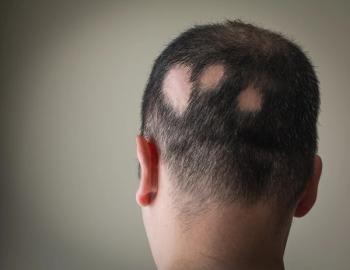
In this cross-sectional observational study of 303 adult men (152 with androgenetic alopecia [AGA] and 151 age- and sex-matched controls in an admixed population), advanced male pattern hair loss demonstrated a strong, independent association with elevated 10-year cardiovascular risk (CVR) measured by the Framingham Risk Score. High CVR was identified in 53.3% of AGA patients compared to 13.3% of controls (p = 0.0026), with patients exhibiting significantly higher rates of hypertension (68.3% vs. 48.3%), diabetes mellitus (36.7% vs. 13.3%), and hypercholesterolemia. Stratification by Hamilton–Norwood stage revealed a clear dose-response gradient, as moderate-to-high CVR increased from 60% in Stage III to 93% in Stage VII; advanced hair loss (Stages V–VII) remained an independent predictor of elevated CVR after multivariable adjustment. Recognizing advanced AGA during routine clinical skin exams provides clinicians a practical, non-invasive opportunity to identify subclinical cardiometabolic risk and initiate early cardiovascular screening.1
According to this case report, once-daily application of topical 4% 5-fluorouracil (5-FU) cream for 28 days achieved complete clinical clearance at three months in a 70-year-old man living with well-controlled HIV who presented with multiple Grade II–III facial actinic keratoses (AKs) in a field of cancerization. Despite the patient having previously failed multiple field and lesion-directed modalities—including cryotherapy, diclofenac 3% gel, and tirbanibulin 1% ointment—the 4% 5-FU regimen successfully eliminated the recalcitrant lesions with acceptable tolerability, producing expected moderate localized erythema and pruritus that did not require treatment discontinuation. Given that people living with HIV face up to a 2.6-fold higher risk of cutaneous squamous cell carcinoma due to impaired immune surveillance and frequent drug-induced photosensitivity, this first published report of 4% 5-FU efficacy in an HIV-positive individual underscores the critical role of timely, potent field-directed therapy in immunocompromised populations to prevent malignant transformation.2
This retrospective review of the Cutaneous Procedures Adverse Events Reporting (CAPER) registry—analyzing 199 reports detailing 298 adverse events (AEs) across 35 cutaneous procedures between March 2021 and August 2025—demonstrates that non-dermatology providers accounted for 51% of all reported complications, despite performing only 38% of the total procedures logged. While board-certified dermatologists performed the majority of registry-documented procedures (62%), particularly filler injections and laser treatments, procedures executed by non-dermatologists and non-physicians in med-spa or non-traditional settings disproportionately generated common complications like erythema (63%) and scarring (77%), as well as severe outcomes linked to unapproved injectables, light-based therapies, and non-laser ink extractions. Although rare, critical red-flag events occurred across various provider types, reinforcing that voluntary registry surveillance is vital for capturing delayed or severe AEs, prompting early clinical safety interventions, and emphasizing the necessity of rigorous training and scope-of-practice oversight for non-dermatology clinicians performing cosmetic and surgical procedures.3
A retrospective case series of 3 adult patients with long-standing urticaria pigmentosa (UP) showed that narrowband UVB (NB-UVB) phototherapy delivered complete resolution of pruritus and noticeable cosmetic fading of characteristic hyperpigmented macules and papules. Unlike traditional antihistamine regimens that only manage pruritus or UVA1 modalities that rarely alter lesion appearance, NB-UVB achieved both symptomatic and cosmetic clearance by inducing dose-dependent dermal mast cell apoptosis and downregulating pro-inflammatory cytokine release. Administered 2 to 3 times weekly starting at 60% of the minimal erythema dose, NB-UVB maintained long-term disease control over extended treatment courses (up to >800 sessions) with an excellent safety profile limited to transient, mild erythema. For dermatology clinicians, these findings position NB-UVB as a durable, steroid-sparing, and widely accessible therapeutic option for adult UP patients who experience inadequate symptom control with antihistamines or desire non-invasive cosmetic improvement of visible cutaneous lesions.4
In this retrospective cohort study of 444 patients with acne vulgaris in Saudi Arabia, isotretinoin demonstrated high clinical efficacy—achieving a 66.2% combined clearance and major response rate—but required active clinical intervention in 70.7% of cases to manage treatment-related side effects. Mucocutaneous events such as cheilitis and xerosis dominated, while elevated low-density lipoprotein (9.9%) represented the most frequent laboratory abnormality. Multivariable regression identified mid-treatment dose escalation as the primary driver of actionable toxicity (OR = 93.71, p < 0.001), alongside higher peak and cumulative doses, whereas female sex and higher body weight conferred lower odds of needing intervention. Male patients presented with greater disease severity, poorer compliance, and higher risk for recurrence (19.4% overall). These findings emphasize that dermatology clinicians should prioritize steady, low-to-moderate daily dosing over rapid escalation, monitor full lipid panels, and proactively manage mucocutaneous barriers to optimize adherence and outcomes.5
References
1. Mazzillo MDLT, Carneiro SCDS. Association Between Androgenetic Alopecia Severity and Cardiovascular Risk in a Mixed-Race Population: A Cross-Sectional Study Using the Hamilton–Norwood Scale and Framingham Score. Dermatologic Therapy, 2026, 7980452, 7 pages, 2026. doi:10.1155/dth/7980452
2. Hoxhallari G, Portincasa A, Fini N, et al. 4% 5-Fluorouracil Cream for Actinic Keratoses: First Report of Efficacy and Tolerability in a Person Living With Human Immunodeficiency Virus Infection. Clinical Case Reports 14, no. 9 (2026): e73428, doi:10.1002/ccr3.73428
3. Smith SS, Yi MD, Zhang E, et al. Report of Adverse Events Associated With Cutaneous Procedures: Update From the CAPER Registry. Lasers Surg Med. Published online September 1, 2026. doi:10.1002/lsm.70195
4. Tucci C, Ristianto ZA, Richard EG, Zampella JG. Use of narrowband-UVB phototherapy as long-term treatment of urticaria pigmentosa: a case series. J Dermatolog Treat. 2026;37(1):2724627. doi:10.1080/09546634.2026.2724627
5. AL-Qahtani SA, Alqahtani AA, Almansour H, et al. Safety and Predictors of Clinically Significant Adverse Effects of Isotretinoin in Acne Vulgaris: A Retrospective Cohort Study from Saudi Arabia. Clinical, Cosmetic and Investigational Dermatology. 2026;19. doi: 10.2147/CCID.S624648