Faculty from the Cutaneous Oncology Workshop answer practical questions spanning skin cancer prevention, diagnosis, treatment, and follow-up.
Day 1 of Maui Derm NP+PA Fall 2026 highlighted emerging therapies, cutaneous oncology, challenging dermatitis cases, and procedural pearls.
Throughout the opening day, faculty paired updates on the evolving dermatology treatment landscape with interactive cases and practical strategies aimed at helping nurse practitioners (NPs) and physician assistants (PAs) translate new evidence into clinical practice.
The scientific program began with “Literature from 2026 in Review,” featuring Ted Rosen, MD; Vikash Oza, MD; Matthew Zirwas, MD; and Douglas DiRuggiero, DMSc, MSPAS, PA-C. Faculty reviewed noteworthy articles published across a range of dermatology journals over the past year.
The morning then shifted from recently published evidence to what lies ahead. During “
Together, the sessions set the tone for a meeting centered on connecting emerging evidence with everyday clinical decision-making.
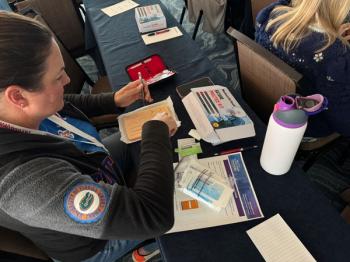
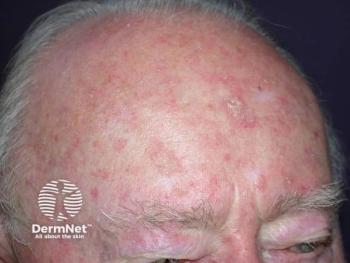
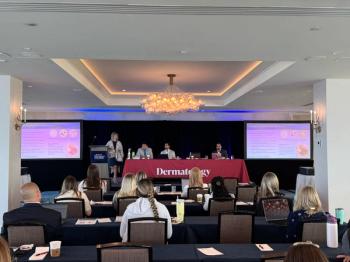
Cutaneous oncology occupied a significant portion of the opening day's agenda, with a 2-part interactive update led by Rosen, Martin, Jennifer Lee, MD, and John Strasswimmer, MD, PhD.
Faculty addressed approaches spanning
The second portion of the program continued with additional nonmelanoma skin cancer diagnostic and therapeutic dilemmas, reinforcing the meeting's emphasis on applying clinical evidence to situations clinicians may encounter in practice.
The afternoon continued with “Eczematous & Contact Dermatitis: ‘Cases That Will Leave You Scratching Your Head,’” featuring Zirwas; William Liszewski, MD; and Kachiu Lee Mudd, DMSc, MSPAS, PA-C.
Rather than relying solely on a traditional lecture format, faculty presented challenging eczematous conditions and asked attendees to determine how they would approach diagnosis and treatment. Participants again weighed in on therapeutic selections before faculty walked through their reasoning and clinical approach.
The session highlighted the complexity that can arise when similar clinical presentations require clinicians to work through broader differential diagnoses and treatment considerations.
Day 1 concluded its CME programming with a practical focus during “Impractically Practical: Procedural Pearls,” led by David Oberlin, MD.
Designed for clinicians already comfortable with core dermatologic surgery, the session focused on high-yield procedural strategies intended to refine technique beyond the basics. Topics centered on nuanced tips, efficiency strategies, and technical refinements that clinicians can incorporate into everyday procedural practice.
The opening day concluded with a welcome reception, giving attendees an opportunity to connect before the meeting continued with another full slate of clinical programming on September 17.