


Non-Melanoma Skin Cancers
Latest News
Advertisement
Latest Videos
Shorts
0:38
Why We Need 'Field Treatment' for Skin Cancer
a month ago
by
Shawn Demehri, MD, PhD

1:00
Stop Calling Them Side Effects: Pro-Tips for Photodynamic Therapy
4 months ago
by
Neal Bhatia, MD
1:00
Red Light vs Blue Light for sBCC: What the Data Says
4 months ago
by
Todd Schlesinger, MD, FAAD, FASMS
1:00
Why Patients May Prefer PDT Over Surgery For sBCC
5 months ago
by
Neal Bhatia, MD
1:00
Solving Systemic Side Effects in Cancer Treatment With PH762
5 months ago
by
Mary C. Spellman, MD
0:46
Red vs Blue Light for Superficial Basal Cell Carcinoma
7 months ago
by
Todd Schlesinger, MD, FAAD, FASMS


Advertisement
More News

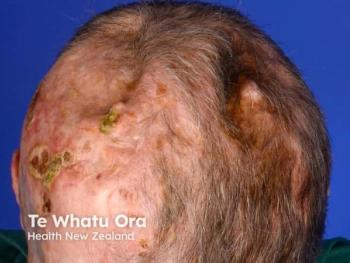
Australian multicenter data shows older head and neck squamous cell carcinoma patients often miss standard radiotherapy-plus-chemo, yet guideline care boosts survival.
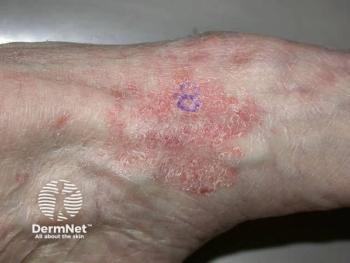
Medicus seeks FDA orphan drug status for SkinJect, a dissolvable microneedle doxorubicin patch targeting Gorlin-related basal cell carcinomas, aiming to reduce the need for repeated surgery.

Women Leaders in Mohs Micrographic Surgery: Progress and Pathways Forward
Published: | Updated:
Although the number of women leaders in Mohs surgery has increased, significant gender disparities remain in leadership roles, productivity metrics, and speaking opportunities.
A multicenter trial in China shows ALA-PDT clears Bowen’s disease in 97% with low recurrence, minimal scarring, and high patient satisfaction.
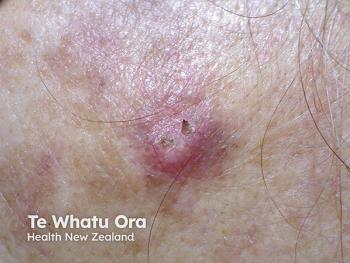
A Winter Clinical Miami poster highlights intralesional cemiplimab for early CSCC, showing rapid responses and positive safety versus surgery.
Todd Schlesinger, MD, highlights data supporting red light–activated PDT with 10% ALA gel for superficial basal cell carcinoma, discussing structured treatment protocols and manageable tolerability.
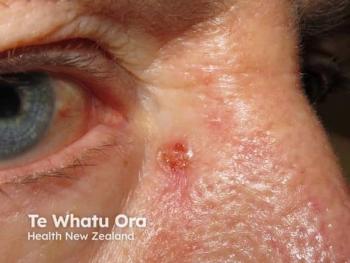
The FDA has accepted Biofrontera’s supplemental new drug application seeking approval of Ameluz photodynamic therapy for superficial basal cell carcinoma (sBCC), with a decision expected by September 28, 2026.
Todd Schlesinger, MD, reviews emerging randomized trial data supporting red light–activated photodynamic therapy with 10% aminolevulinic acid gel and outlines key considerations for patient selection in superficial basal cell carcinoma (sBCC).
Todd Schlesinger, MD, discusses emerging evidence, clearance outcomes, and practical considerations for using red light–based photodynamic therapy as a nonsurgical option in select superficial basal cell carcinoma (BCC) cases.
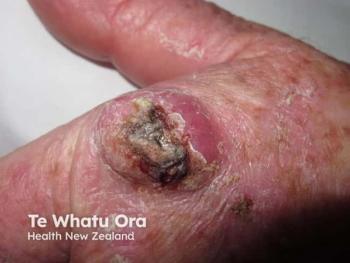
Sun Pharma has launched cosibelimab-ipdl for advanced cutaneous squamous cell carcinoma, offering new hope for patients with limited treatment options.
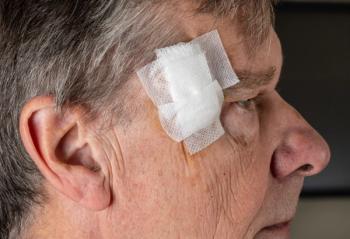
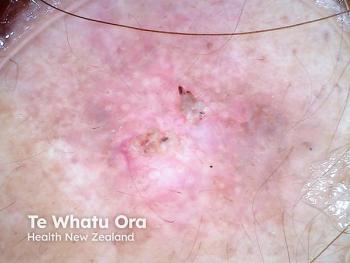
Alpha Tau Medical advances Alpha DaRT for recurrent cutaneous squamous cell carcinoma (cSCC), offering a novel, localized treatment option with minimal toxicity.
New research confirms how skin tension line-oriented grafting enhances cosmetic outcomes in basal cell carcinoma surgery, improving aesthetics without compromising quality of life.
Topline results are expected in the first quarter of 2026.
Researchers are developing an innovative mRNA vaccine targeting Merkel cell carcinoma, enhancing T cell immunity and offering new hope for effective treatment.
Findings suggest immune dysregulation and chronic inflammation in atopic dermatitis may contribute to increased skin cancer susceptibility.
Cemiplimab is revolutionizing treatment for high-risk cutaneous squamous cell carcinoma, bridging gaps in care and improving patient outcomes.
Vishal A. Patel, MD, discusses cemiplimab's FDA approval as a groundbreaking adjuvant therapy for high-risk cutaneous squamous cell carcinoma patients.
Discover expert insights on cutaneous oncology from George Martin, MD, focusing on innovative treatments for skin cancers at Maui Derm NP+PA Fall.
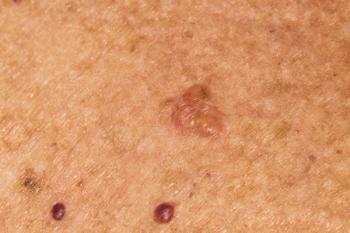
Medicus Pharma has initiated a phase 2 trial in the UAE for a non-invasive BCC treatment, aiming to revolutionize skin cancer care.

Merck's pembrolizumab gains Health Canada approval for innovative perioperative treatment of advanced head and neck squamous cell carcinoma, enhancing patient outcomes.
Immutep advances eftilagimod alfa for head and neck squamous cell carcinoma, targeting patients with low PD-L1 expression and limited treatment options.

Ata Moshiri, MD, MPH, FAAD, spoke about pathology interpretation and patient communication at Elevate-Derm Summer 2025, enhancing skin cancer diagnosis.

Discover how gene expression profiling transforms melanoma and SCC management, enhancing personalized treatment strategies and improving patient outcomes in skin cancer care.

At a recent Dermatology Times Case-Based Roundtable event, Gaurav Singh, MD, MPH, FAAD, FACMS, utilized 3 patient cases to explore the role of GEP testing in melanoma and SCC.
Advertisement
Advertisement
Trending on Dermatology Times
1
FDA Approves Baricitinib for Adolescents With Severe Alopecia Areata
2
Tremfya Meets Primary, Major Secondary Endpoints in Phase 4 STAR Study of Axial PsA
3
Alopecia Areata Awareness Month: 2026 in Review
4
From Mechanism to Management: Navigating Male Pattern Hair Loss and New Topical Therapies
5