

Feature|Videos|February 9, 2026
Expanding Nonsurgical Options for Superficial BCC With Red Light PDT
Fact checked by: Yasmeen Qahwash
Todd Schlesinger, MD, discusses emerging evidence, clearance outcomes, and practical considerations for using red light–based photodynamic therapy as a nonsurgical option in select superficial basal cell carcinoma (BCC) cases.
Advertisement
Episodes in this series
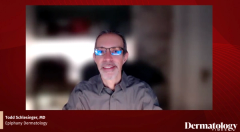
In a recent Dermatology Times Expert Perspectives custom video series, Todd Schlesinger, MD, a dermatologist, Mohs surgeon, and clinical trialist at Epiphany Dermatology in South Carolina, discussed emerging evidence for red light–activated aminolevulinic acid (ALA) photodynamic therapy (PDT) and its potential role in expanding treatment options for appropriately selected patients.
“Photodynamic therapy has always been exciting for the management of different things,” Schlesinger said, noting its long-standing use in actinic keratosis. Over the past decade, however, interest has shifted toward nonsurgical management of early-stage nonmelanoma skin cancers, particularly superficial basal cell carcinoma (sBCC). According to Schlesinger, recent studies evaluating red light plus 10% ALA PDT suggest that the modality may help establish a new benchmark for nonsurgical care in this setting.
Discussing outcomes from a
Although surgical excision remains the gold standard for sBCC, Schlesinger views PDT as a valuable alternative for select patients, particularly those seeking nonsurgical approaches or wishing to minimize scarring. “It also offers the patient an option to get rid of a [sBCC] that wouldn’t really require a large scar,” he said.
Schlesinger also addressed why red light appears better suited than blue light for sBCC treatment. Red light’s longer wavelength allows for deeper penetration through the epidermis and into the dermis, aligning more closely with the tumor’s anatomic location. “We want to have a high concentration of target light at the base of the epidermis,” he said. “It’s nice to have a light wavelength that penetrates deep enough so that we’re really concentrating the peak of that where we need it.”
Taken together, Schlesinger believes the evolving data support thoughtful consideration of red light–based PDT as part of the range of treatment options for sBCC, offering clinicians another evidence-based, tissue-sparing option for patient care.
Reference
- Schlesinger T, Chapman MS, Tu JH, et al. Red light photodynamic therapy with 10% aminolevulinic acid gel showed efficacy for treatment of superficial basal cell carcinoma in a randomized, vehicle controlled, double-blind, multicenter phase III study. J Am Acad Dermatol. 2025;93(6):1489-1498. doi:10.1016/j.jaad.2025.08.031
Advertisement
Related to this article
SYX-5219 improved disease severity and itch in a Phase 1b trial of adults with moderate to severe atopic dermatitis.

In a survey of 301 employed adults, overall work impairment attributable to CHE was 31.8%, and quality of life worsened in step with self-reported disease severity.

An analysis of 633 skincare brands found gaps in evidence, safety information, and claim support, raising questions about what patients can verify online.

Can “Botox in a bottle” really rival injectable neuromodulators? We examine the evidence behind topical peptide serums and Argireline.

Dermatology clinicians at a Case-Based Roundtable in Austin, Texas, discussed real-world strategies for sequencing topical therapy, phototherapy, and ruxolitinib cream across pediatric and adult vitiligo cases.
Christophe Piketty discusses 3-year ARCADIA data demonstrating sustained efficacy and long-term safety of nemolizumab in atopic dermatitis.

Two claims analyses of hidradenitis suppurativa showed similar symptom prevalence in males and females and lower dermatologist access among rural patients than urban patients.
Day 3 of Fall Clinical 2026 featured roflumilast data in genital psoriasis, long-term JAK inhibitor safety in atopic dermatitis, and expert insights on setting expectations in HS, treating advanced cSCC, and screening aesthetic patients.
Advertisement
Advertisement
Trending on Dermatology Times
1
First-in-Class Oral PKM2 Modulator Shows Early Efficacy in Atopic Dermatitis
2
Hidradenitis Suppurativa Claims Data: Sex Parity and Rural Care Gaps
3
No Observed Skin Lesion Flares After Switching to Upadacitinib in Atopic Dermatitis
4
JAK Inhibitor Safety in Atopic Dermatitis: Long-Term Epidemiology Data
5