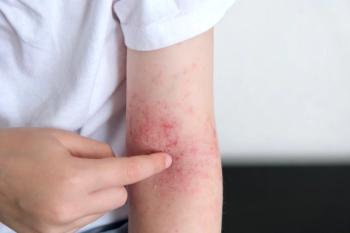
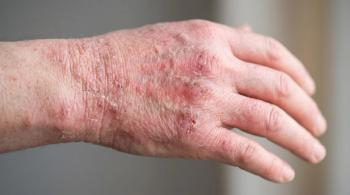
In a survey of 301 employed adults, overall work impairment attributable to CHE was 31.8%, and quality of life worsened in step with self-reported disease severity.
At AAD 2026, Todd Schlesinger, MD, highlighted how staging frameworks and clinicopathologic features can inform treatment decisions in nonmelanoma skin cancer.
At the
Schlesinger explained that these systems offer complementary insights. The AJCC framework is largely depth-driven, whereas the BWH model is risk-based, incorporating factors such as tumor characteristics and patient features. “Taking those together…can help us understand what the risk factors are for our patients,” he noted. While these models are most robust for cutaneous squamous cell carcinoma (cSCC), clinicians often extrapolate them for basal cell carcinoma (BCC), where formal staging remains limited.
Beyond staging, Schlesinger stressed the importance of global patient assessment, particularly immunosuppression. “Immunosuppression is a big one that could increase the risk of spread,” he said, especially in cSCC.
He also highlighted key histopathologic features that elevate risk. Among these, perineural invasion (PNI) remains a critical but sometimes misunderstood factor. “There’s a difference between incidental perineural invasion… and large caliber nerve invasion,” he explained, defining high-risk PNI as involvement of nerves ≥0.1 mm in diameter or named nerves. These findings are associated with deeper invasion and increased metastatic potential.
Emerging tools such as gene expression profiling may further refine risk assessment. Schlesinger noted that combining staging systems with molecular diagnostics “can help us be much more accurate” in identifying patients at higher risk of recurrence or metastasis.
This integrated approach has practical implications for management decisions, including the use of adjuvant radiation therapy and consideration of sentinel lymph node biopsy in advanced cSCC. “This really helps us decide if they need sentinel lymph node biopsies,” he said.
Schlesinger also pointed to ongoing innovations in NMSC treatment. Investigational approaches include intralesional immunotherapy, such as cemiplimab, being studied for lower-risk cSCC in outpatient dermatology settings. “Lots of companies are looking at subcutaneous injections…for basal cell carcinoma and squamous cell carcinoma,” he said.
Additionally, advances in photodynamic therapy—such as topical aminolevulinic acid with red light for superficial BCC—highlight the continued evolution of noninvasive treatment strategies.
Schlesinger highlighted several active areas of investigation within his research program. Recent work includes a
He also pointed to ongoing clinical trials exploring intralesional immunotherapy. The CLEAR SCC study (
Beyond NMSC, Schlesinger emphasized several areas of interest at the meeting. He noted growing attention to novel antibacterial mechanisms of action aimed at improving specificity and durability of microbial targeting. “Can we be more specific to the pathogenic bacteria…or do a better job of killing all the bacteria longer?” he said.
In aesthetics, he highlighted emerging neuromodulators and fillers, including short-acting toxin formulations and expanded indications for structural fillers. Additionally, he pointed to recent approvals in medical dermatology, including new therapies for psoriasis (icotrokinra) and chronic spontaneous urticaria (remibrutinib), as examples of the rapidly evolving therapeutic landscape.
References