

Feature|Videos|February 17, 2026
Photodynamic Therapy for sBCC Shows Predictable Clearance and High In-Office Adherence
Todd Schlesinger, MD, highlights data supporting red light–activated PDT with 10% ALA gel for superficial basal cell carcinoma, discussing structured treatment protocols and manageable tolerability.
Advertisement
Episodes in this series
In a recent Dermatology Times Expert Perspectives custom video series, Todd Schlesinger, MD, a dermatologist, Mohs surgeon, and clinical trialist at Epiphany Dermatology in South Carolina, discussed the role of photodynamic therapy (PDT) in the management of superficial basal cell carcinoma (sBCC), with a focus on treatment structure, tolerability, and positioning relative to topical therapies.
Schlesinger highlighted data supporting red light–activated PDT with 10% aminolevulinic acid (ALA) gel, noting that clinical trial protocols allowed for up to 4 treatment cycles. Each cycle consists of 2 treatments, delivered with a 3-hour occluded incubation followed by 10 minutes of red light exposure. “It’s typically structured as at least 2 cycles. Can be 4,” he explained, emphasizing that while excision was performed after clinical clearance in the study setting, in routine practice clinicians may rely on established clinical and histologic clearance rates without mandatory surgical confirmation.1
Tolerability remains a key consideration. In clinical trials, pain scores ranged from 2 to 5 on a numeric rating scale during active treatment, generally improving with subsequent sessions.1 “The discomfort will be localized just to that area, and it would be typically only while they’re receiving light and a short time after,” Schlesinger said, describing the procedure as “typically tolerable.” He identified cooling as a preferred first-line strategy for mitigating discomfort, with optional use of topical or injected anesthesia and pre-treatment with acetaminophen or a nonsteroidal anti-inflammatory drug. Although some speculate that cooling could theoretically reduce efficacy by limiting photochemical activation, he noted that patient comfort remains a practical priority in office-based care.
When comparing PDT with 5-fluorouracil or imiquimod, Schlesinger highlighted the growing body of controlled data supporting PDT in sBCC. “Now that we have the pivotal paper, [with] PDT, at least you have a little bit of reliable data,” he said. He contrasted the more predictable, physician-directed in-office protocol of PDT with the variable inflammatory responses and adherence challenges associated with patient-applied topical therapies.
Although PDT is
“Hopefully photodynamic therapy will rise further up in the management of not only basal cell carcinoma, but also for squamous cell carcinoma. All kinds of studies are being done around the country and around the world to try to make better use of this treatment, which I think is a very good thing for patients and physicians as well. So, hopefully we'll see good things coming,” Schlesinger concluded.
Reference
- Schlesinger T, Chapman MS, Tu JH, et al. Red light photodynamic therapy with 10% aminolevulinic acid gel showed efficacy for treatment of superficial basal cell carcinoma in a randomized, vehicle controlled, double-blind, multicenter phase III study. J Am Acad Dermatol. 2025;93(6):1489-1498. doi:10.1016/j.jaad.2025.08.031
Watch more from the series
Advertisement
Related to this article
Faculty from the Cutaneous Oncology Workshop answer practical questions spanning skin cancer prevention, diagnosis, treatment, and follow-up.

The inaugural workshop explored skin cancer care from prevention and diagnosis through systemic therapy, radiation, and multidisciplinary management.
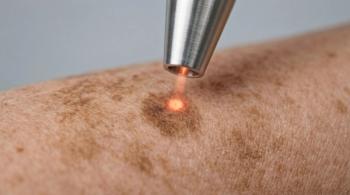
The expanded indication makes Ameluz with RhodoLED the first FDA-approved photodynamic therapy for the treatment of a skin cancer.
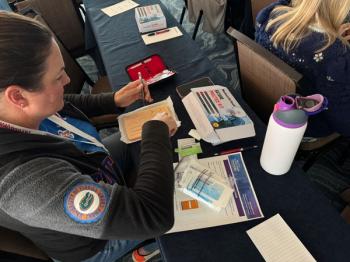
The final session of the Cutaneous Oncology Workshop explored advances in systemic therapy, management of immunotherapy-related skin reactions, and the role of radiation.
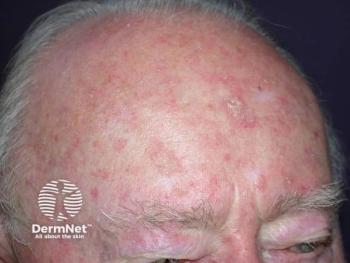
At the Dermatology Times NP/PA Cutaneous Oncology Workshop in Tampa, Florida, Amit Om, MD, outlined why field-directed therapy is increasingly favored over lesion-directed treatment for actinic keratosis.
Faculty at the Dermatology Times Cutaneous Oncology Workshop addressed real-world questions on mole mapping, biopsy decisions, oral photoprotection, and actinic keratosis treatment.
Though convenient, SPF-infused cosmetics rarely deliver their labeled protection level in real-world use, underscoring the continued need for a dedicated broad-spectrum sunscreen as the foundation of any routine.
At the Cutaneous Oncology Workshop, faculty explored lesion recognition, surgical decision-making, risk stratification, and the evolving role of molecular testing.
Advertisement
Advertisement
Trending on Dermatology Times
1
Clascoterone 5% Topical Solution Shows Long-Term Promise for Male Pattern Hair Loss
2
FDA Grants Fast Track Designation to QRX003 for Peeling Skin Syndrome
3
Barzolvolimab Achieves All Phase 3 End Points in Chronic Spontaneous Urticaria
4
Diagnostic Delays and the Psychosocial Burden of HS
5