


Feature|Videos|May 27, 2026
Tips for Managing Pain and Local Skin Reactions During Photodynamic Therapy
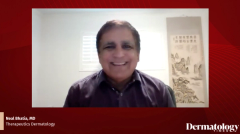
Neal Bhatia, MD, describes a protocol spanning antihistamine pretreatment, in-room talk anesthesia, and post-procedure skin care to improve tolerability of photodynamic therapy.
Advertisement
Episodes in this series




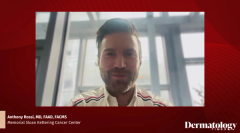
Setting Patient Expectations
During a recent Dermatology Times
According to Bhatia, language matters before the first photosensitizer is applied. He recommends reframing how clinicians describe what patients will experience.
"Don't call them side effects, call them anticipated local skin reactions, so the patients are aware things may be coming," Bhatia said.
Pre-treatment preparation begins a few days out. Bhatia starts patients on antihistamines 2 days before the procedure, doses them again the morning of treatment, and continues through 2 days post-procedure. The rationale is mechanistic: mast cell infiltration drives much of the erythema, edema, and pain signaling seen in PDT responses. Slowing mast cell proliferation and degranulation, he notes, can meaningfully reduce patient discomfort without interfering with efficacy. Topical anesthetics such as fluocinolone or low-dose lidocaine preparations may also be used, though Bhatia advises caution with tetracaine given its absorption potential.
In-Room and Post-Procedure Comfort Measures
During treatment, Bhatia emphasizes the value of direct patient engagement. Checking in at minutes 1 and 3, maintaining conversation, and physically staying present all serve as distraction-based pain modulation.
"Talk anesthesia is one of the best pain modulators you can do," he said. "Just start the treatment with them, hold their hand, ask them how they're doing."
A cooling fan overhead and a handheld misting fan positioned beneath the light source provide additional relief. If pain peaks early, Bhatia notes clinicians can pause briefly at 3 minutes without compromising outcomes, as efficacy typically plateaus around the 6-minute mark.
Post-procedure care centers on a thick medicated moisturizing balm, a gentle cleanser, broad-spectrum sunscreen, and adequate hydration. Patients must avoid sun exposure for at least 40 hours following treatment.
Reference
- Bhatia N. The interventions to minimize pain during photodynamic therapy with 5-aminolevulinic acid for the treatment of cutaneous diseases. J Drugs Dermatol. 2023;22(11):1082-1087. doi:10.36849/JDD.7637
View the full series
Advertisement
Related to this article
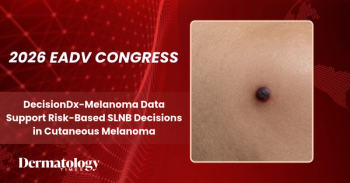
Prospective data suggest DecisionDx-Melanoma may help refine SLNB decisions and identify recurrence risk beyond conventional staging.
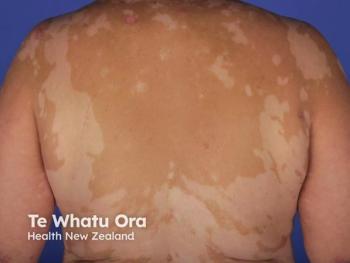
The FDA clearance allows Edesa to expand an ongoing placebo-controlled study of the CXCL10 antibody EB06 to US sites, with topline data expected in the fourth quarter of 2027.

The novel oral helicase-primase inhibitor demonstrated significantly higher rates of complete lesion healing compared with investigator’s choice treatment in the phase 3 PRIOH-1 trial.

Falk G. Bechara, MD, discusses long-term tunnel control, structural damage, and the evolving role of biologics and surgery in HS care.
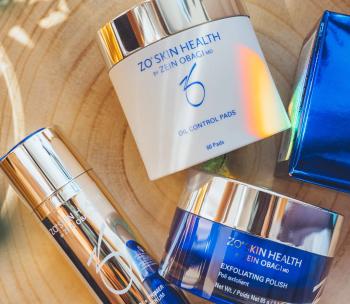
Galderma has agreed to acquire ZO Skin Health for $1.5 billion, adding the physician-dispensed skincare brand to a portfolio that already includes Cetaphil and Alastin.

New dermatology research explores hidden steroids in OTC products, infant eczema, melanoma prevention, cutaneous lymphoma, and pediatric AD.

SYX-5219 improved disease severity and itch in a Phase 1b trial of adults with moderate to severe atopic dermatitis.

In a survey of 301 employed adults, overall work impairment attributable to CHE was 31.8%, and quality of life worsened in step with self-reported disease severity.
Advertisement
Advertisement
Trending on Dermatology Times
1
FDA Approves Pritelivir for Refractory Mucocutaneous HSV in Immunocompromised Adults
2
GLP-1 Agonists Address Metabolic Risk in Psoriatic Disease
3
EB06 Phase 2 Vitiligo Study Receives FDA IND Clearance
4
EADV 2026 Atopic Dermatitis Highlights: Tilrekimig, RAC2 Inhibition, and Level Up Data
5