

Feature|Videos|May 13, 2026
Treating the Field, Not Just the Tumor: PDT's Expanding Role in Superficial BCC
Neal Bhatia, MD, makes the case for photodynamic therapy as a versatile, field-treating option, not just an alternative to surgery.
Advertisement
Episodes in this series
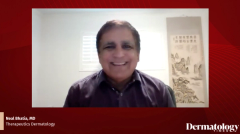
Superficial basal cell carcinoma (sBCC) offers clinicians more therapeutic flexibility than other BCC subtypes, owing in part to its relatively lower-risk profile and its predilection for anatomical sites where non-surgical approaches are particularly appealing. According to Neal Bhatia, MD, director of clinical dermatology at Therapeutics Clinical Research in San Diego, California, this expanded toolkit is especially valuable for patients who are not ideal surgical candidates. In this Dermatology Times
"When you know they're not a good surgical candidate for any other reason—maybe we're dealing with hemostasis problems, coagulation issues, or maybe they can't come into the office—there are a lot of opportunities to use photodynamic therapy," Bhatia said.
Both blue and red light PDT carry supporting clinical data for sBCC, and either may be selected depending on the specific treatment area. Beyond PDT, treatment options include topical applications, cryotherapy, and hedgehog pathway inhibitors—the latter particularly relevant for patients with Gorlin syndrome, significant photodamage, or high tumor burden.
When Scarring Drives Decision-Making
Scar avoidance is among the most common reasons patients decline surgical intervention, and it represents a pivotal entry point for discussing non-surgical or multimodal strategies.
"Scarring concerns are one of the biggest reasons why patients don't want surgery," Bhatia noted, citing a history of keloid formation, cosmetically sensitive locations, and anxiety about wound closure as key factors.
In these situations, Bhatia advocates for moving beyond an either/or framework. Rather than framing the conversation as a choice between surgery and non-surgical treatment, he encourages clinicians to consider sequencing modalities, for instance, using PDT first to reduce tumor burden and potentially minimize the extent of a subsequent surgical procedure, then maintaining those gains through continued surveillance or adjunctive therapy.
"Thinking in terms more of 'and' instead of 'or' is probably a better option for some of these patients," he said. "I would probably talk to them about doing A and B."
PDT as a Field Treatment
Perhaps the most compelling argument Bhatia makes for PDT is its capacity to simultaneously address the tumor, surrounding at-risk skin, and the broader field of photodamage.
"When PDT is in the algorithm, you have an opportunity to not only treat the tumor itself, but you can treat the surrounding innocent skin, as well as the photodamaged skin that could potentially give rise to either actinic keratoses or more basal cell carcinomas in the area," he explained.
This field-directed activity positions PDT as a uniquely proactive modality, and one that addresses both the presenting lesion and the carcinogenic milieu from which future tumors may emerge. Bhatia described this broader effect as "field characterization," and sees it as integral to any comprehensive photocarcinogenesis management algorithm.
PDT can also be integrated with hedgehog inhibitors or used in a peri-surgical sequence—before and after Mohs micrographic surgery, for example—demonstrating its adaptability across clinical contexts.
The Bottom Line
For Bhatia, the evidence and clinical rationale are clear: PDT belongs in every algorithm that touches photo-aging, photodamage, actinic keratoses, or superficial neoplasms.
"I think really the main message of PDT is just to do it, period," he said.
Advertisement
Related to this article
Faculty from the Cutaneous Oncology Workshop answer practical questions spanning skin cancer prevention, diagnosis, treatment, and follow-up.

The inaugural workshop explored skin cancer care from prevention and diagnosis through systemic therapy, radiation, and multidisciplinary management.
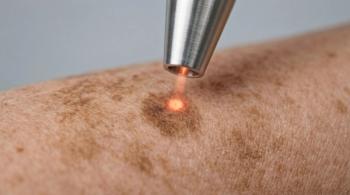
The expanded indication makes Ameluz with RhodoLED the first FDA-approved photodynamic therapy for the treatment of a skin cancer.
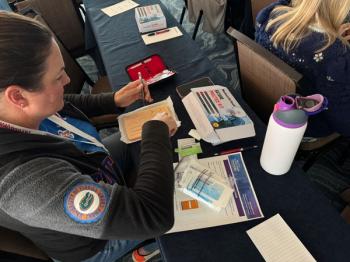
The final session of the Cutaneous Oncology Workshop explored advances in systemic therapy, management of immunotherapy-related skin reactions, and the role of radiation.
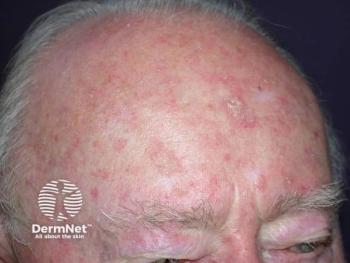
At the Dermatology Times NP/PA Cutaneous Oncology Workshop in Tampa, Florida, Amit Om, MD, outlined why field-directed therapy is increasingly favored over lesion-directed treatment for actinic keratosis.
Faculty at the Dermatology Times Cutaneous Oncology Workshop addressed real-world questions on mole mapping, biopsy decisions, oral photoprotection, and actinic keratosis treatment.
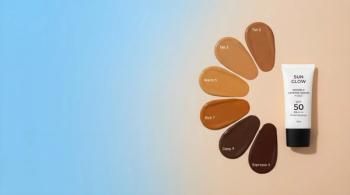
Though convenient, SPF-infused cosmetics rarely deliver their labeled protection level in real-world use, underscoring the continued need for a dedicated broad-spectrum sunscreen as the foundation of any routine.
At the Cutaneous Oncology Workshop, faculty explored lesion recognition, surgical decision-making, risk stratification, and the evolving role of molecular testing.
Advertisement
Advertisement
Trending on Dermatology Times
1
From Mechanism to Management: Navigating Male Pattern Hair Loss and New Topical Therapies
2
FDA Approves Baricitinib for Adolescents With Severe Alopecia Areata
3
Tremfya Meets Primary, Major Secondary Endpoints in Phase 4 STAR Study of Axial PsA
4
Dr. Charrow Highlights Earlier Biologic Use and Deroofing in Hidradenitis Suppurativa
5