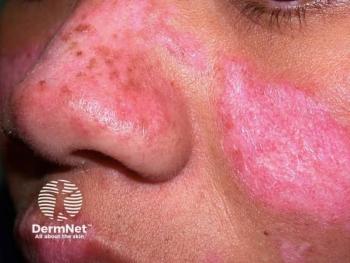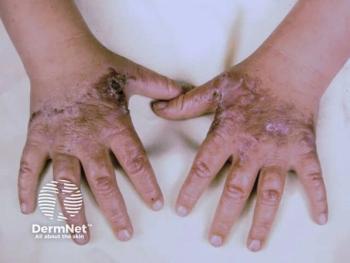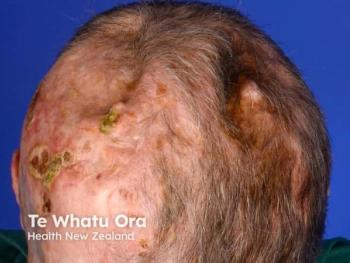
The FDA approved therapies for melanoma, dermatomyositis, superficial basal cell carcinoma, and adolescent alopecia areata, while TYK2 inhibitors and rare disease filings advanced toward 2027 decisions.
Aaron Farberg, MD, discusses why generalized pustular psoriasis warrants its own awareness day and how it differs immunologically from plaque psoriasis.
Aaron Farberg, MD, a double-board-certified dermatologist and Mohs surgeon and the chief medical officer at Bare Dermatology in Dallas, Texas, marked
GPP affects an estimated 2 to 100 people per million, Farberg said, making it far rarer than plaque psoriasis.1 Many affected patients never reach a dermatologist directly, instead presenting to the emergency room, hospital, or urgent care. Farberg said a dedicated awareness day serves both the public and physicians outside dermatology who may encounter GPP without recognizing it.
"Having a dedicated day focused just on the awareness of GPP is incredibly important. It's important for the community. It's also important for our colleagues in the house of medicine to hear about this disease, recognize it, and if they're unsure, at least know who to call," Farberg said.
Plaque psoriasis reflects chronic adaptive immunity, with well-demarcated, silvery plaques typically on the elbows and shins, Farberg said. GPP presents very differently: a hyperacute, innate autoinflammatory process producing sudden, painful eruptions of sterile pustules, spreading diffusely or localizing to areas such as the trunk or an upper extremity. Patients often develop systemic symptoms, including fever, rigors, fatigue, and elevated inflammatory markers.2
"This is a sudden, painful, widespread eruption of sterile pustules," Farberg said.
Plaque psoriasis is driven primarily by the IL-17 and IL-23 pathways, while GPP is an IL-36-mediated disease, Farberg said. He noted that a known mutation tied to IL-36 signaling can cause GPP, a link established through knockout mouse studies, and added that the pathway is well studied enough to appear on residents' board exams. Despite crosstalk among the IL-17, IL-23, and IL-36 pathways, Farberg said clinicians should identify each patient's primary driving cytokine before choosing therapy rather than relying on broad immunosuppression.
"It's always best to really find the primary driving cytokine to really help treat each disease specifically," Farberg said.
"We want to find targeted treatments," Farberg said, framing pathway-specific therapy, not broad options such as steroids or cyclosporine, as the goal for GPP.
References