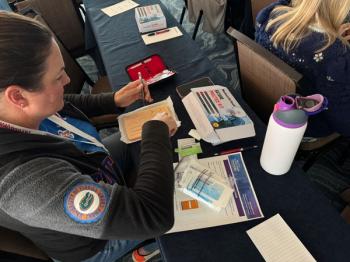
Maui Derm NP+PA Fall 2026 brought APPs together for updates spanning inflammatory disease, oncology, emerging therapies, and diagnostic challenges.
Eileen Cheever, PA, discussed family hesitancy toward systemic pediatric psoriasis treatment and age-related treatment gaps in dermatology.
Eileen Cheever, PA, a dermatology physician assistant at Clearview Dermatology in Massachusetts,
Cheever said families managing pediatric plaque psoriasis may be hesitant to consider systemic options such as
“Meet them where they’re at,” Cheever said.
Inflammation associated with plaque psoriasis in children, as in adults, can extend beyond the skin, Cheever explained. She noted that clinicians should remain aware of factors such as metabolic issues, obesity, and joint symptoms when evaluating pediatric patients. These considerations can help frame conversations with families who may initially be reluctant to consider systemic treatment.
Cheever said some families continue to view topical creams as the
She emphasized acknowledging families’ concerns while helping them understand benefits they may not have previously considered.
Cheever also highlighted the
Facial acne may affect confidence, while children with eczema on their arms may wear long sleeves even during warm weather to conceal their skin, she explained. Effective treatment can therefore have effects that extend beyond improvement in clinical signs.2
Now their skin’s improving, and now they’re in T-shirts, or they were in sweatpants, and now they’re in shorts, — Cheever
Seeing those changes can be particularly meaningful because pediatric patients can be a challenging population to reach, according to Cheever.2
“It can be really rewarding when you feel like you’ve connected,” she said.
Cheever said similar opportunities to improve quality of life exist at the opposite end of the age spectrum. She highlighted
She cautioned against allowing age alone to prevent patients from being considered for therapies capable of producing meaningful improvement.
“You’re not too old to get onto some of these treatments and some of these therapies,” Cheever said.
Instead, Cheever encouraged clinicians to walk older patients through the treatment options that are appropriate for their individual circumstances. She said some patients have previously
Helping those patients engage in treatment and experience improvements in their disease and quality of life can be particularly fulfilling, Cheever said.
References