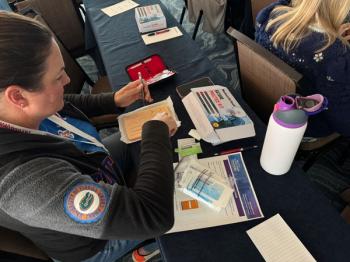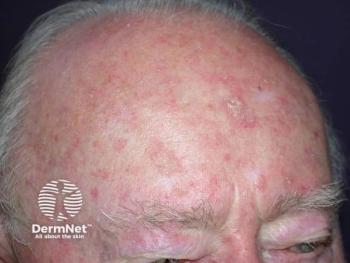
Maui Derm NP+PA Fall 2026 brought APPs together for updates spanning inflammatory disease, oncology, emerging therapies, and diagnostic challenges.
Eileen Cheever, PA, discussed how understanding immunologic pathways can strengthen patient counseling and treatment confidence in dermatology.
Cheever said
So much of what we do in dermatology is immunology nowadays, — Cheever
Sessions at Elevate explored the immunologic and pathologic pathways involved in conditions including
She encouraged clinicians to continue studying the immunology behind the conditions they routinely encounter, noting that a strong understanding of the science can translate directly into greater confidence during patient conversations.
Cheever connected a clinician’s understanding of a therapy’s mechanism with the ability to confidently counsel patients at the point of treatment decision-making.
When clinicians understand why a therapy works and how it relates to the underlying disease pathway, she said, they are better equipped to explain their
That really does go a long way in instilling trust in patients buying into the treatment you’ve recommended — Eileen Cheever, PA
Her takeaway for clinicians was straightforward: Understand the science behind the disease and its treatments. That knowledge can inform not only therapeutic decisions but also how effectively clinicians communicate those decisions to patients.
Cheever also discussed lessons from a lecture on
For children living with psoriasis and other chronic dermatologic diseases, Cheever encouraged clinicians to consider the effect that effective treatment can have on their lives and not allow apprehension surrounding systemic therapies to prevent appropriate treatment.1,2
“Don’t be afraid to take the reins and be that child’s advocate to really embrace some of these systemic and biologic medications we have to really change the trajectory of these kids’ lives,” Cheever said.2
She urged dermatology clinicians to become comfortable with the systemic and biologic therapies available for pediatric patients and to advocate for their use when clinically appropriate.
“Really, just lean in and don’t be afraid to really grasp these medications and help our patients when they come to see us,” Cheever said.
References