


Lim considers mentoring and helping develop the next generation of dermatologists one of his most meaningful contributions to the specialty.
Lim considers mentoring and helping develop the next generation of dermatologists one of his most meaningful contributions to the specialty.
Data from the BroADen trial suggest that targeting STAT6 through protein degradation may offer a novel oral approach to controlling type 2 inflammation in atopic dermatitis.
Phase 3 data presented at AAD 2026 showed that amlitelimab significantly improved skin clearance and disease severity in patients aged 12 years and older with moderate to severe atopic dermatitis.
Oral therapies at AAD 2026 are closing the efficacy gap with biologics, with two TYK2 inhibitors and an oral IL-23 peptide each delivering clearance rates once thought possible only with injectables.

The growing success of IL-17–targeted therapies suggests that remission may become a realistic future goal for many patients living with hidradenitis suppurativa.

Biologics and oral JAK inhibitors are now strongly recommended for moderate to severe pediatric atopic dermatitis, signaling a shift toward earlier systemic treatment escalation.

Dermatology Times' editor in chief highlights essential late-breaker data from AAD 2026, including upadacitinib, rezpegaldesleukin, icotrokinra, zasocitinib, envudeucitinib, sonelokimab, and more.

David Oberlin, MD, FAAD, said the true value of AAD lies in clinicians returning to practice and applying new knowledge to patient care.

Dermatology Times' editor in chief highlights essential late-breakers from AAD 2026, including rademikibart, KT-621, nemolizumab, and delgocitinib.

At the 2026 AAD Annual Meeting, dermatologists shared their go-to strategies for managing stress, including laughter yoga, relationships, and mindset shifts
At the 2026 AAD Annual Meeting, dermatologists shared their go-to strategies for managing stress — from family time and fitness to emotional intelligence training and even Botox.

Gain exclusive insights from AAD on rapid-onset topicals, durable biologic control, and a growing emphasis on stringent, patient-centered targets shaping atopic dermatitis care.
New 140-week data show that upadacitinib keeps itch, sleep, and quality-of-life gains steady in patients with moderate to severe atopic dermatitis (AD).
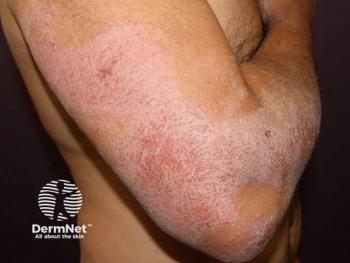
Post hoc trial data presented at AAD 2026 show near-clear atopic dermatitis and minimal itch drive bigger gains in quality of life, sleep, mental health, and satisfaction.

Henry W. Lim, MD, FAAD's legacy highlights the impact of mentorship, research, and global advocacy in advancing inclusive dermatologic care and improving skin health worldwide.

A retrospective claims analysis found that nearly half of patients newly diagnosed with vitiligo by a dermatologist did not initiate therapy, and those who did showed low persistence across treatment categories.

Work productivity loss fell from 44.3% at baseline to 19.0% at week 52 in the total study population, representing a clinically meaningful reduction in occupational impairment over the full treatment period.

Late-breaking data presented at AAD 2026 showed that upadacitinib 15 mg produced statistically significant, progressively improving repigmentation in adults and adolescents with non-segmental vitiligo through 48 weeks.
David Oberlin, MD, shares tips for integrating AAD insights and lessons into the clinic to improve patient care.

At AAD 2026, Lauren Madigan, MD, presented long-term PIONEER trial extension data and urged clinicians to sharpen their recognition of 2 clonally driven inflammatory diseases: indolent systemic mastocytosis and VEXAS syndrome.
Christopher Bunick, MD, PhD, and Kristian Reich, MD, PhD, discuss phase 3 data presented at AAD showing patients moving from very severe disease at baseline to absent or mild disease by week 40.
At AAD 2026, Diego Ruiz Dasilva, MD, makes the case that the black box warning on JAK inhibitors shouldn't deter appropriate prescribing.

Put your dermatology expertise to the test with Dermatology Times’ interactive quiz series.

Hope Mitchell, MD, shared practical strategies for protecting and cultivating an online presence at the 2026 American Academy of Dermatology Annual Meeting.

Patricia M. Delgado, DNP, AGPCNP, DCNP, PMHNP, and Mohammad Jafferany, MD, discuss how integrating mental health and dermatologic care can improve outcomes for patients with chronic skin conditions.

AAD honors Henry W. Lim, MD, FAAD, with the Academy's highest honor for his work in photodermatology advances, skin of color care, and global leadership.
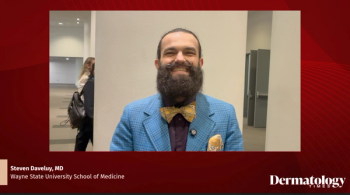
Steven Daveluy, MD, reviews long-term trial data for bimekizumab in psoriasis and hidradenitis suppurativa presented at the 2026 AAD Annual Meeting.
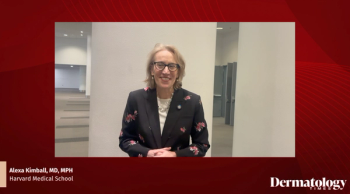
Kimball presented new data on MoonLake Immunotherapeutics’ sonelokimab and reflected on other HS updates presented at AAD 2026.

Daniel C. Butler, MD, discusses the underrepresentation of older adults in dermatology trials and what a 3-system framework for itch means for clinical practice
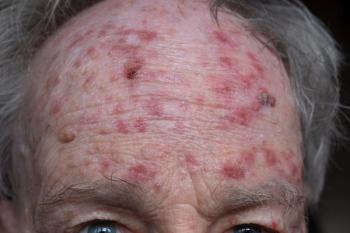
Christopher Bunick, MD, PhD, and Almirall's Johnny Im discuss new data showing that tirbanibulin 1% ointment provides consistent efficacy, while expanded coverage is poised to improve patient access in the US.