


Cheri Frey, MD, shares skin of color anti-aging strategies—pigment-first planning, safer lasers/peels, and techniques to prevent PIH.
Cheri Frey, MD, shares skin of color anti-aging strategies—pigment-first planning, safer lasers/peels, and techniques to prevent PIH.

Panelists discuss how dermatologists play a vital role in helping patients navigate the overwhelming variety of skin care products by emphasizing simple, gentle, and fragrance-free routines focused on cleansing, moisturizing, and protection—highlighting that consistency and patience are key to restoring skin barrier health, especially in sensitive skin. They also stress that effective skin care does not require expensive products, and tailoring regimens with evidence-supported ingredients like polymeric surfactants and lipid-based moisturizers improves adherence and outcomes.
Panelists discuss a recent study showing that once-daily application of a moisturizer over 4 weeks significantly improved skin hydration, texture, and radiance, with benefits persisting even after discontinuation—highlighting the lasting impact of well-formulated products on skin barrier health. They also emphasize the importance of tailoring moisturizer types, such as lighter gels for acne-prone skin and richer creams for dry or compromised skin, to address specific patient needs and sensitivities for optimal outcomes.
Panelists discuss recent studies on advanced moisturizers that not only provide immediate hydration but also stimulate the skin’s natural production of key proteins and lipids, such as aquaporin-3 and filaggrin, leading to sustained improvements in barrier function and skin health—benefits that are particularly important for individuals with sensitive or compromised skin and support the need for consistent, targeted moisturizing in clinical care.
Panelists discuss recent research highlighting the benefits of polymeric surfactant–based cleansers, which preserve key skin barrier functions and the microbiome while providing a gentle yet effective cleansing experience that supports patient adherence—especially important for sensitive skin conditions like eczema and rosacea—and emphasize the complementary role of moisturizers rich in lipids and humectants to restore and maintain barrier health across diverse patient needs.
Panelists discuss a recent study demonstrating that cleansers formulated with hydrophobically modified polymers significantly improve skin condition and patient comfort in individuals with clinically diagnosed sensitive skin, highlighting their ability to cleanse gently while supporting barrier repair without disrupting the skin’s microbiome.
Panelists discuss the benefits of hydrophobically modified polymer surfactants, highlighting their gentle cleansing action that effectively removes impurities while preserving the skin barrier, making them ideal for sensitive and compromised skin.
Panelists discuss the importance of choosing gentle, pH-balanced surfactants in cleansers to protect the skin barrier while balancing patient preferences for foaming and sensory experiences.
Panelists discuss the importance of a gentle, minimalist skin care routine tailored to support the skin barrier in sensitive or compromised skin, emphasizing the use of pH-balanced cleansers, barrier-repairing moisturizers, and condition-specific strategies to reduce irritation and promote long-term skin health.
transepidermal water loss as a key indicator of skin barrier integrity, highlighting its relevance in both clinically diagnosed and self-perceived sensitive skin, and emphasizing the importance of barrier-supportive skin care to reduce water loss, promote repair, and manage sensitivity effectively.
Panelists discuss the structure and function of the skin barrier, highlighting key components like filaggrin and aquaporins, and emphasizing the need to protect against both environmental and lifestyle-related stressors—collectively known as the exposome—to maintain hydration and support long-term skin health.
Panelists discuss the critical role of maintaining a healthy skin barrier in managing sensitive skin, emphasizing the importance of gentle, evidence-based cleansing and moisturizing practices to prevent irritation, support barrier repair, and improve dermatologic outcomes.

Cheri Frey, MD, discusses how emerging laser technologies are advancing melanocyte-sparing treatments while developing more precise targeting capabilities and enhanced safety features for diverse skin types.
A panelist discusses how setting realistic expectations about treatment outcomes and following proper protocols around laser settings, skin typing, and aftercare are essential for preventing complications and achieving optimal results.
Cheri Frey, MD, discusses how combining different laser treatments with traditional therapies can effectively target both the vascular and inflammatory components of rosacea while minimizing adverse effects and recovery time.

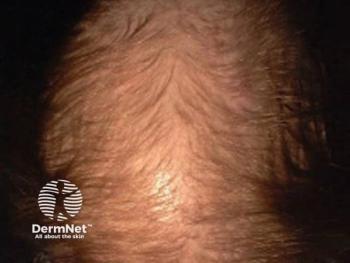
This expert review explores the multifaceted causes of female hair loss—hormonal imbalances, inflammation, nutrient deficiencies, aging, and oxidative stress—and explores non-pharmaceutical interventions.

Frey discussed the role of various cosmeceuticals and ingredients in benefitting the skin health of patients, as well as insights into pairing OTC products with Rx.

An expert in dermatology offers practice pearls and recommendations for the use of retinoid-based products in dermatology patient populations.
Dr Cheri N. Frey shares her insights into the mechanism of action of retinoid-based products and their efficacy in combating aging concerns such as fine lines and wrinkles.
Cheri N. Frey, MD, explores the evolution of retinoid-based skincare products, emphasizing novel formulations, molecules, and increased accessibility.

October 24th 2023
October 24th 2023

February 3rd 2025
October 24th 2023
February 3rd 2025
February 3rd 2025