


Opinion|Videos|September 12, 2025
Components of the Skin Barrier
Author(s)Zoe Diana Draelos, MD, Cheri Frey, MD, FAAD
Panelists discuss the structure and function of the skin barrier, highlighting key components like filaggrin and aquaporins, and emphasizing the need to protect against both environmental and lifestyle-related stressors—collectively known as the exposome—to maintain hydration and support long-term skin health.
Advertisement
Episodes in this series

The skin barrier plays a critical role in maintaining skin health by preserving hydration and protecting against environmental stressors. Often described as a “brick wall,” the outermost layer of the skin, or stratum corneum, consists of corneocytes (the “bricks”) and a lipid matrix (the “mortar”) that prevents water loss and blocks irritants. A key protein in this structure is filaggrin, which breaks down into components of the natural moisturizing factor (NMF). NMF is essential for hydration and includes substances like amino acids and lactic acid. While synthetic replacements for NMF have been explored, none have truly replicated its function.
Another integral component of skin hydration is aquaporins—proteins that facilitate water transport within the skin. These channels help regulate the movement of water and maintain osmotic balance, especially in dry environments. Though not as widely discussed as lipids or filaggrin, aquaporins are increasingly recognized in skin care research for their potential to enhance moisture retention. Products that stimulate aquaporin production may contribute to a healthier, more resilient skin barrier, particularly under harsh environmental conditions.
Both internal (endogenous) and external (exogenous) stressors can disrupt the skin barrier. Environmental factors such as pollution, UV exposure, and low humidity are well-known triggers. However, lifestyle habits—including inadequate sleep, poor skin care routines, and psychological stress—also play a significant role. Many individuals unknowingly compromise their skin by using harsh products or following misguided skin care trends. The total impact of these influences is described by the term exposome, which encompasses all the oxidative and environmental challenges the skin encounters over time. Understanding and addressing these factors holistically is key to preserving skin barrier integrity and supporting long-term dermatologic health.
Advertisement
Related to this article

Put your dermatology expertise to the test with Dermatology Times’ interactive quiz series.
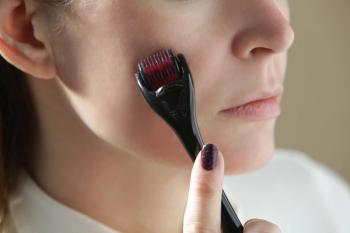
Can at-home dermarollers give the same results as in-office microneedling or is that just a myth? Read more about the latest social media trend and learn how to counsel your patients in the clinic.
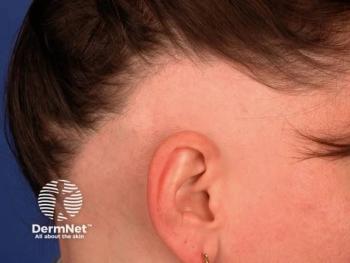
The FDA approval, based on 36-week data from the phase 3 BRAVE-AA-PEDS trial, extends baricitinib access to patients as young as 12 years old with severe alopecia areata.
Guselkumab met primary and major secondary endpoints in the phase 4 STAR study, improving axial PsA symptoms and MRI-confirmed inflammation.
Find out what skin care products and aesthetic innovations clinicians are recommending to patients for the month of September.
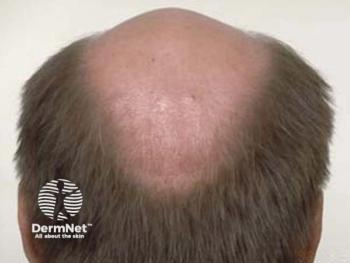
Three experimental hair loss mechanisms are moving through late-stage trials for the first time in decades, and the data are worth knowing before patients ask.
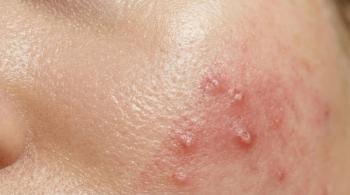
Alexandra Charrow, MD, discussed biologic selection, deroofing, and emerging procedural approaches to hidradenitis suppurativa at Maui Derm NP+PA Fall 2026.

Week 28 data from the phase 2a EVERLAST-A trial showed PASI 100 responses increased to 71.4% despite no additional ORKA-001 dosing after week 4.
Advertisement
Advertisement
Trending on Dermatology Times
1
From Mechanism to Management: Navigating Male Pattern Hair Loss and New Topical Therapies
2
FDA Approves Baricitinib for Adolescents With Severe Alopecia Areata
3
Tremfya Meets Primary, Major Secondary Endpoints in Phase 4 STAR Study of Axial PsA
4
Dr. Charrow Highlights Earlier Biologic Use and Deroofing in Hidradenitis Suppurativa
5