


Opinion|Videos|September 26, 2025
The Science of Cleansers
Author(s)Zoe Diana Draelos, MD, Cheri Frey, MD, FAAD
Panelists discuss the importance of choosing gentle, pH-balanced surfactants in cleansers to protect the skin barrier while balancing patient preferences for foaming and sensory experiences.
Advertisement
Episodes in this series

Cleansers primarily work through surfactants, which are molecules that bind to oily soils on the skin and help wash them away with water. There are different types of cleansers, including micellar waters and surfactant-based cleansers like soaps or synthetic detergents. Micellar waters have gained popularity, especially for makeup removal, often used as a first step in double cleansing. However, because micellar waters are typically no-rinse products, there’s a risk of leaving residues on the skin, which may irritate sensitive skin, especially if the products contain active ingredients. For this reason, it’s important that micellar waters be followed by rinsing and gentle cleansing to ensure the skin barrier is protected.
Surfactant choice is crucial for sensitive skin. Traditional soaps had a high alkaline pH that could disrupt the skin’s barrier by swelling the outer layer and making it more porous. Modern synthetic surfactants have a pH closer to the skin’s natural acidity, around 5 or 6, which helps maintain the acid mantle and reduces irritation. There is also a misconception that foaming is necessary for effective cleansing. While foaming agents produce satisfying bubbles that many consumers associate with cleanliness, research shows foam is not essential for cleansing to occur. Nonetheless, many patients prefer foaming cleansers because of the sensory experience, which can make adherence to a routine easier.
Patient preference plays an important role in cleanser selection. Many people expect a foaming sensation and even tingling, associating these sensations with a clean face. Despite the availability of milder surfactants that do not require pH-balancing toners, some patients remain attached to these sensations, which can pose challenges in clinical advice. The goal is to find a balance between effective cleansing and preserving the skin barrier, while also considering the patient’s experience and comfort with their routine.
Advertisement
Related to this article

Put your dermatology expertise to the test with Dermatology Times’ interactive quiz series.
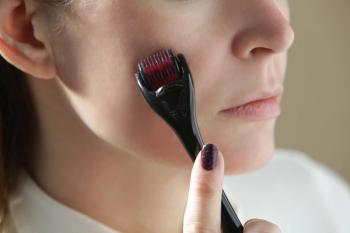
Can at-home dermarollers give the same results as in-office microneedling or is that just a myth? Read more about the latest social media trend and learn how to counsel your patients in the clinic.
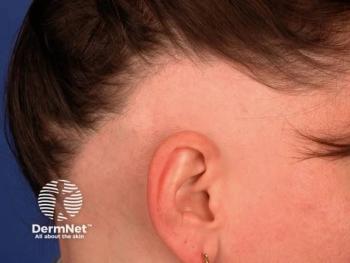
The FDA approval, based on 36-week data from the phase 3 BRAVE-AA-PEDS trial, extends baricitinib access to patients as young as 12 years old with severe alopecia areata.
Guselkumab met primary and major secondary endpoints in the phase 4 STAR study, improving axial PsA symptoms and MRI-confirmed inflammation.
Find out what skin care products and aesthetic innovations clinicians are recommending to patients for the month of September.
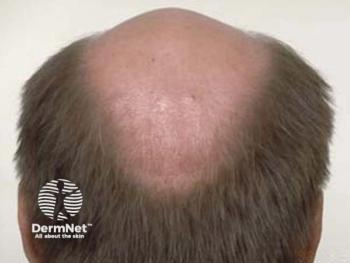
Three experimental hair loss mechanisms are moving through late-stage trials for the first time in decades, and the data are worth knowing before patients ask.
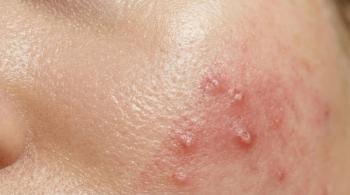
Alexandra Charrow, MD, discussed biologic selection, deroofing, and emerging procedural approaches to hidradenitis suppurativa at Maui Derm NP+PA Fall 2026.

Week 28 data from the phase 2a EVERLAST-A trial showed PASI 100 responses increased to 71.4% despite no additional ORKA-001 dosing after week 4.
Advertisement
Advertisement
Trending on Dermatology Times
1
From Mechanism to Management: Navigating Male Pattern Hair Loss and New Topical Therapies
2
FDA Approves Baricitinib for Adolescents With Severe Alopecia Areata
3
Tremfya Meets Primary, Major Secondary Endpoints in Phase 4 STAR Study of Axial PsA
4
Dr. Charrow Highlights Earlier Biologic Use and Deroofing in Hidradenitis Suppurativa
5