


Opinion|Videos|October 10, 2025
Tolerability and Benefits of Natural Moisturizing Factor–Containing Products
Author(s)Zoe Diana Draelos, MD, Cheri Frey, MD, FAAD
Panelists discuss a recent study showing that once-daily application of a moisturizer over 4 weeks significantly improved skin hydration, texture, and radiance, with benefits persisting even after discontinuation—highlighting the lasting impact of well-formulated products on skin barrier health. They also emphasize the importance of tailoring moisturizer types, such as lighter gels for acne-prone skin and richer creams for dry or compromised skin, to address specific patient needs and sensitivities for optimal outcomes.
Advertisement
Episodes in this series

A recent study examined the effects of a moisturizing cream applied once daily for 4 weeks on 40 participants. Both trained investigators and subjects assessed tolerability and efficacy, focusing on visual dryness, surface roughness, radiance, and fine lines. After 4 weeks, improvements were noted across all these parameters. Remarkably, even after a 3-day regression period without product use, hydration and skin quality benefits persisted, indicating the moisturizer’s ability to strengthen and optimize the skin barrier beyond just surface effects. This type of assessment highlights the lasting physiological impact of a well-formulated moisturizer.
Further studies evaluated 2 different products: a lighter gel moisturizer and a richer cream moisturizer. The gel was designed for combination or acne-prone skin, while the cream targeted those with skin diseases such as eczema or rosacea. The gel moisturizer was found to significantly reduce skin sensitivity and was well tolerated by patients with oily or combination skin. This is particularly important for patients with acne who need barrier repair without exacerbating oiliness or acne symptoms. The cream moisturizer, containing natural moisturizing factors and lipids, showed improvements in noxious sensory symptoms, skin smoothness, radiance, and overall appearance after 4 weeks, making it suitable for patients with dry or compromised skin conditions.
When recommending moisturizers, factors such as skin type and sensitivity guide ingredient choices. Humectants like glycerin and hyaluronic acid are favored for hydration, while niacinamide can help soothe inflammation. For patients with eczema or very dry skin, richer creams or ointments with ceramides and occlusive lipids are preferred. For acne-prone skin, noncomedogenic formulas that maintain the skin barrier without clogging pores are essential. Patients with rosacea benefit from fragrance-free, soothing ingredients such as allantoin to avoid irritation and redness. Customizing moisturizer recommendations based on skin condition ensures optimal results and better patient adherence.
Advertisement
Related to this article

Put your dermatology expertise to the test with Dermatology Times’ interactive quiz series.
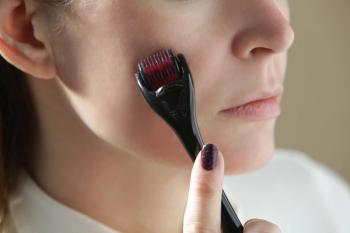
Can at-home dermarollers give the same results as in-office microneedling or is that just a myth? Read more about the latest social media trend and learn how to counsel your patients in the clinic.
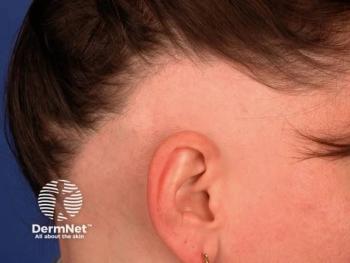
The FDA approval, based on 36-week data from the phase 3 BRAVE-AA-PEDS trial, extends baricitinib access to patients as young as 12 years old with severe alopecia areata.
Guselkumab met primary and major secondary endpoints in the phase 4 STAR study, improving axial PsA symptoms and MRI-confirmed inflammation.
Find out what skin care products and aesthetic innovations clinicians are recommending to patients for the month of September.
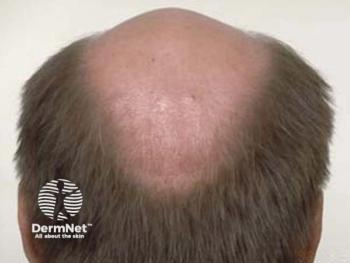
Three experimental hair loss mechanisms are moving through late-stage trials for the first time in decades, and the data are worth knowing before patients ask.
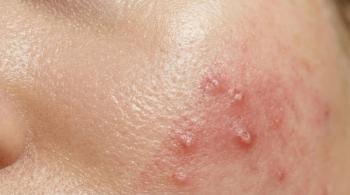
Alexandra Charrow, MD, discussed biologic selection, deroofing, and emerging procedural approaches to hidradenitis suppurativa at Maui Derm NP+PA Fall 2026.

Week 28 data from the phase 2a EVERLAST-A trial showed PASI 100 responses increased to 71.4% despite no additional ORKA-001 dosing after week 4.
Advertisement
Advertisement
Trending on Dermatology Times
1
From Mechanism to Management: Navigating Male Pattern Hair Loss and New Topical Therapies
2
FDA Approves Baricitinib for Adolescents With Severe Alopecia Areata
3
Tremfya Meets Primary, Major Secondary Endpoints in Phase 4 STAR Study of Axial PsA
4
Dr. Charrow Highlights Earlier Biologic Use and Deroofing in Hidradenitis Suppurativa
5