


Opinion|Videos|September 19, 2025
Transepidermal Water Loss and Sensitive Skin
Author(s)Zoe Diana Draelos, MD, Cheri Frey, MD, FAAD
transepidermal water loss as a key indicator of skin barrier integrity, highlighting its relevance in both clinically diagnosed and self-perceived sensitive skin, and emphasizing the importance of barrier-supportive skin care to reduce water loss, promote repair, and manage sensitivity effectively.
Advertisement
Episodes in this series

Transepidermal water loss (TEWL) refers to the amount of water that naturally escapes from the skin into the surrounding environment. Even healthy skin experiences some degree of water loss, but when the skin barrier is compromised, this loss increases significantly. This can lead to dryness, tightness, and irritation—common symptoms of sensitive skin. TEWL is a key signal to the body that the skin barrier has been damaged, prompting repair mechanisms such as ceramide production. Interestingly, substances like petrolatum allow a small amount of water to escape—enough to trigger repair—while fully occlusive coverings like plastic wrap prevent healing due to complete suppression of this signal.
TEWL is important in the context of both moisturizing and cleansing. Harsh cleansers or environmental factors such as low humidity can increase water loss and worsen barrier dysfunction. Effective skin care focuses on supporting the barrier to retain moisture, especially in individuals prone to dryness or sensitivity. There’s a difference between clinically sensitive skin, where visible signs of barrier damage exist (as seen in conditions like eczema or rosacea), and self-perceived sensitive skin, where symptoms such as stinging or burning are present without visible inflammation. Both require careful evaluation and may benefit from different management strategies.
For patients who self-report sensitive skin, it’s important to rule out underlying conditions through thorough history and physical examination. These individuals might react to environmental changes or products, even if their skin appears healthy. In contrast, clinically sensitive skin often shows signs like redness, scaling, or dryness and may require pharmaceutical treatment. TEWL serves as a central concept in understanding both types of sensitivity, and educating patients about it can empower them to adopt skin care habits that maintain hydration and reduce irritation.
Advertisement
Related to this article
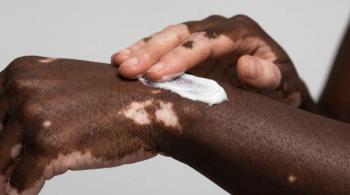
Longer treatment duration was independently associated with VASI improvement, while publicly insured patients experienced higher topical JAK inhibitor denial rates.
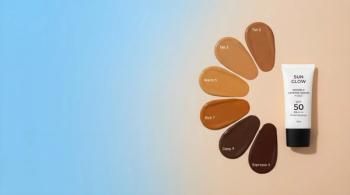
Though convenient, SPF-infused cosmetics rarely deliver their labeled protection level in real-world use, underscoring the continued need for a dedicated broad-spectrum sunscreen as the foundation of any routine.

This review of the latest dermatological studies includes insights on stem cell therapies for skin rejuvenation, smoke exposure in HS, hair loss in pediatric IBD, and more.

Genetic study links higher BMI to looking older, but causality stays unclear; Mendelian randomization flags shared signals and candidate genes needing validation.

An HS toolbox with wound care, symptom relief, and personal care supplies can help patients stay prepared for unexpected flares.
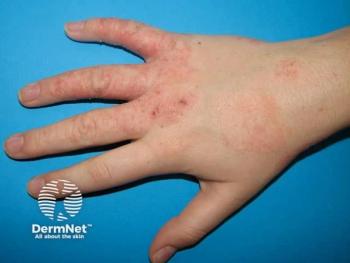
Dermatitis-related adverse events vary widely across atopic dermatitis systemic trials, driven by disease fluctuation and reporting differences, informing patient counseling and flare definitions.

The FDA has set a PDUFA target action date of June 29, 2027, based on APEX trial data showing a 65% overall response rate in advanced systemic mastocytosis.

Victoria Werth, MD, professor of dermatology and rheumatology at the University of Pennsylvania, recently discussed brepocitinib's FDA approval for dermatomyositis and what the VALOR trial data mean for patients and clinicians.
Advertisement
Advertisement
Trending on Dermatology Times
1
Sun Protection in Beauty Routines: Is SPF Makeup Enough?
2
FDA Grants Priority Review to Zasocitinib for Moderate-to-Severe Plaque Psoriasis
3
FDA Accepts Bezuclastinib NDA for Advanced Systemic Mastocytosis
4
Longer Topical JAK Inhibitor Treatment Linked to Vitiligo Improvement in Real-World Study
5