


Opinion|Videos|October 3, 2025
Cleansers, Moisturizers, and the Skin Barrier
Author(s)Zoe Diana Draelos, MD, Cheri Frey, MD, FAAD
Panelists discuss recent research highlighting the benefits of polymeric surfactant–based cleansers, which preserve key skin barrier functions and the microbiome while providing a gentle yet effective cleansing experience that supports patient adherence—especially important for sensitive skin conditions like eczema and rosacea—and emphasize the complementary role of moisturizers rich in lipids and humectants to restore and maintain barrier health across diverse patient needs.
Advertisement
Episodes in this series

Recent research on polymeric surfactant–based cleansers demonstrates significant benefits for individuals with sensitive skin. Key skin barrier parameters such as erythema, irritation, peeling, roughness, and dryness showed no increase during use. Objective measurements including transepidermal water loss, skin pH, and corneometry remained stable, indicating that the skin barrier was preserved. Additionally, these cleansers did not disrupt the skin microbiome or alter natural moisturizing factors and lipid markers. This comprehensive data package, combining both self-reported sensory improvements and mechanistic skin evaluations, supports the safety and efficacy of these novel cleansers for sensitive skin.
When selecting cleansers for sensitive or compromised skin, important considerations include maintaining an appropriate pH to protect the acid mantle and choosing mild surfactants that do not strip essential lipids. Incorporating moisturizing ingredients such as humectants and lipids can further support the skin barrier. Cleanser options that combine these qualities while also delivering a pleasant sensory experience—like abundant foaming—encourage patient adherence, which is often a challenge when patients reject mild but less enjoyable products. The integration of polymeric surfactants in cleansers offers a balance between effective cleansing and gentle care, making them suitable for a wide range of patient needs, including those with eczema, rosacea, or postprocedural sensitivity.
Moisturizers play a crucial role in restoring skin health by replacing lipids lost during cleansing, enhancing hydration, reducing water loss, and improving overall skin appearance. Key ingredients such as ceramides, cholesterol, fatty acids, natural moisturizing factor mimics, hyaluronic acid, and glycerin are essential for maintaining skin barrier function. Educating patients on the importance of moisturizing, especially those with acne or aging skin who may underestimate their hydration needs, is vital. With a diverse array of formulations available, it is possible to find products that suit individual preferences, ensuring that all patients can maintain optimal skin health through proper cleansing and moisturizing routines.
Advertisement
Related to this article

Longer treatment duration was independently associated with VASI improvement, while publicly insured patients experienced higher topical JAK inhibitor denial rates.

Though convenient, SPF-infused cosmetics rarely deliver their labeled protection level in real-world use, underscoring the continued need for a dedicated broad-spectrum sunscreen as the foundation of any routine.

This review of the latest dermatological studies includes insights on stem cell therapies for skin rejuvenation, smoke exposure in HS, hair loss in pediatric IBD, and more.

Genetic study links higher BMI to looking older, but causality stays unclear; Mendelian randomization flags shared signals and candidate genes needing validation.

An HS toolbox with wound care, symptom relief, and personal care supplies can help patients stay prepared for unexpected flares.
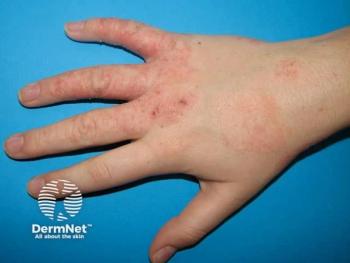
Dermatitis-related adverse events vary widely across atopic dermatitis systemic trials, driven by disease fluctuation and reporting differences, informing patient counseling and flare definitions.

The FDA has set a PDUFA target action date of June 29, 2027, based on APEX trial data showing a 65% overall response rate in advanced systemic mastocytosis.

Victoria Werth, MD, professor of dermatology and rheumatology at the University of Pennsylvania, recently discussed brepocitinib's FDA approval for dermatomyositis and what the VALOR trial data mean for patients and clinicians.
Advertisement
Advertisement
Trending on Dermatology Times
1
Sun Protection in Beauty Routines: Is SPF Makeup Enough?
2
FDA Grants Priority Review to Zasocitinib for Moderate-to-Severe Plaque Psoriasis
3
FDA Accepts Bezuclastinib NDA for Advanced Systemic Mastocytosis
4
Longer Topical JAK Inhibitor Treatment Linked to Vitiligo Improvement in Real-World Study
5