


Opinion|Videos|September 26, 2025
Polymeric Surfactant Technology
Author(s)Zoe Diana Draelos, MD, Cheri Frey, MD, FAAD
Panelists discuss the benefits of hydrophobically modified polymer surfactants, highlighting their gentle cleansing action that effectively removes impurities while preserving the skin barrier, making them ideal for sensitive and compromised skin.
Advertisement
Episodes in this series

There is a new class of surfactants called polymeric surfactants, specifically hydrophobically modified polymers (HMPs), which have brought significant advancements in cleansing for sensitive skin. These HMPs have larger molecular structures that allow them to effectively cleanse while causing less disruption to the skin barrier. This makes them especially beneficial for individuals with conditions like eczema or rosacea, or for those recovering from skin procedures, where the skin barrier is temporarily compromised. Their ability to selectively bind impurities and rinse away with minimal residue helps preserve skin hydration, aligning well with the needs of sensitive skin care.
Traditional cleansers with higher alkaline pH tend to disrupt the skin’s outermost layer, the stratum corneum, causing it to swell and become more permeable. This disruption allows cleansers to penetrate deeper than intended, damaging the skin barrier. Many people associate the resulting tight, dry feeling after washing with effective cleansing, but in reality, it signals early barrier damage. Unlike these harsh cleansers, HMP-based cleansers work on the skin’s surface without penetrating it. Their neutral pH and larger molecular size allow them to cleanse gently and rinse off easily, without causing the uncomfortable tightness or dryness linked to barrier disruption.
These hydrophobically modified polymers represent a significant step forward in skin cleansing technology by maintaining the integrity of the skin barrier while providing effective cleansing. For sensitive skin types or those with compromised barriers, using cleansers formulated with HMPs can prevent unnecessary irritation and dryness. This innovation highlights the importance of not just cleansing, but doing so in a way that respects and preserves the skin’s natural defenses.
Advertisement
Related to this article

Put your dermatology expertise to the test with Dermatology Times’ interactive quiz series.
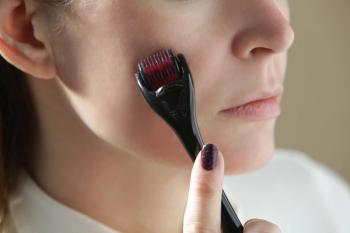
Can at-home dermarollers give the same results as in-office microneedling or is that just a myth? Read more about the latest social media trend and learn how to counsel your patients in the clinic.
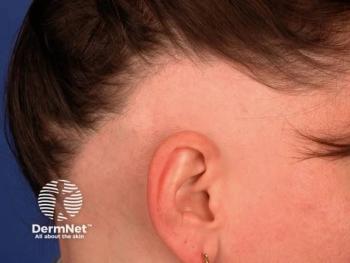
The FDA approval, based on 36-week data from the phase 3 BRAVE-AA-PEDS trial, extends baricitinib access to patients as young as 12 years old with severe alopecia areata.
Guselkumab met primary and major secondary endpoints in the phase 4 STAR study, improving axial PsA symptoms and MRI-confirmed inflammation.
Find out what skin care products and aesthetic innovations clinicians are recommending to patients for the month of September.
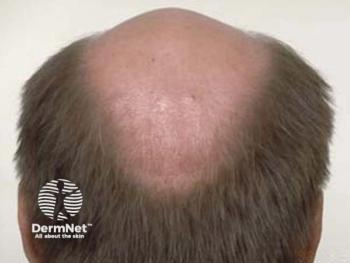
Three experimental hair loss mechanisms are moving through late-stage trials for the first time in decades, and the data are worth knowing before patients ask.
Alexandra Charrow, MD, discussed biologic selection, deroofing, and emerging procedural approaches to hidradenitis suppurativa at Maui Derm NP+PA Fall 2026.

Week 28 data from the phase 2a EVERLAST-A trial showed PASI 100 responses increased to 71.4% despite no additional ORKA-001 dosing after week 4.
Advertisement
Advertisement
Trending on Dermatology Times
1
From Mechanism to Management: Navigating Male Pattern Hair Loss and New Topical Therapies
2
FDA Approves Baricitinib for Adolescents With Severe Alopecia Areata
3
Tremfya Meets Primary, Major Secondary Endpoints in Phase 4 STAR Study of Axial PsA
4
Dr. Charrow Highlights Earlier Biologic Use and Deroofing in Hidradenitis Suppurativa
5