


Opinion|Videos|October 3, 2025
Efficacy and Tolerance of a Polymeric Surfactant Technology–Based Cleanser
Author(s)Zoe Diana Draelos, MD, Cheri Frey, MD, FAAD
Panelists discuss a recent study demonstrating that cleansers formulated with hydrophobically modified polymers significantly improve skin condition and patient comfort in individuals with clinically diagnosed sensitive skin, highlighting their ability to cleanse gently while supporting barrier repair without disrupting the skin’s microbiome.
Advertisement
Episodes in this series

A recent study explored the efficacy and tolerance of a cleanser formulated with polymeric surfactant technology, specifically hydrophobically modified polymers (HMPs), in patients with clinically diagnosed sensitive skin. The study involved 85 participants suffering from conditions such as eczema, atopic dermatitis, rosacea, cosmetic intolerance syndrome, or acne. Over 4 weeks, participants used the foaming cleanser twice daily, and the study assessed both tolerability and efficacy. Remarkably, improvements were seen in skin attributes like visual smoothness, tactile softness, clarity, radiance, and overall appearance, all statistically significant. This demonstrates that simply changing to a suitable cleanser can notably enhance skin condition in sensitive individuals.
One of the most compelling findings was the improvement in patient sensory experiences, including reductions in tightness, itching, burning, and stinging. These symptoms often arise from a compromised skin barrier, and the HMP-based cleanser’s ability to support and repair this barrier likely accounts for the positive sensory changes. Some cleansers even contained moisturizing agents, contributing further to barrier repair and hydration without the immediate need for additional moisturizers. Objective measurements confirmed the product’s gentleness; there were no increases in erythema, irritation, peeling, dryness, or transepidermal water loss, and skin pH and hydration levels remained stable. Additionally, the microbiome was unaffected, indicating these cleansers are microbiome-friendly and do not disrupt the natural skin flora.
This comprehensive approach, combining clinical observations, self-reported symptoms, and mechanistic skin assessments, highlights the value of HMP technology in sensitive skin care. The study’s diverse participant group enhances its applicability across different demographics. Such findings underscore the clinical relevance of these polymeric cleansers, which provide effective cleansing with mild, skin-friendly surfactants that produce desirable foam without damaging the barrier. This makes them an excellent choice for a wide range of patients with sensitive skin, including those with underlying skin conditions or those experiencing self-perceived sensitivity.
Advertisement
Related to this article

Longer treatment duration was independently associated with VASI improvement, while publicly insured patients experienced higher topical JAK inhibitor denial rates.

Though convenient, SPF-infused cosmetics rarely deliver their labeled protection level in real-world use, underscoring the continued need for a dedicated broad-spectrum sunscreen as the foundation of any routine.

This review of the latest dermatological studies includes insights on stem cell therapies for skin rejuvenation, smoke exposure in HS, hair loss in pediatric IBD, and more.

Genetic study links higher BMI to looking older, but causality stays unclear; Mendelian randomization flags shared signals and candidate genes needing validation.

An HS toolbox with wound care, symptom relief, and personal care supplies can help patients stay prepared for unexpected flares.
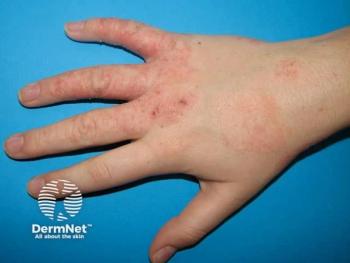
Dermatitis-related adverse events vary widely across atopic dermatitis systemic trials, driven by disease fluctuation and reporting differences, informing patient counseling and flare definitions.

The FDA has set a PDUFA target action date of June 29, 2027, based on APEX trial data showing a 65% overall response rate in advanced systemic mastocytosis.

Victoria Werth, MD, professor of dermatology and rheumatology at the University of Pennsylvania, recently discussed brepocitinib's FDA approval for dermatomyositis and what the VALOR trial data mean for patients and clinicians.
Advertisement
Advertisement
Trending on Dermatology Times
1
Sun Protection in Beauty Routines: Is SPF Makeup Enough?
2
FDA Grants Priority Review to Zasocitinib for Moderate-to-Severe Plaque Psoriasis
3
FDA Accepts Bezuclastinib NDA for Advanced Systemic Mastocytosis
4
Longer Topical JAK Inhibitor Treatment Linked to Vitiligo Improvement in Real-World Study
5