



Non-Melanoma Skin Cancers
Latest News
Advertisement
Latest Videos


Advertisement
More News
In the final part of this Frontline Forum series, Brent Moody, MD; Sarah Arron, MD, PhD; Justine Cohen, DO; Emily Ruiz, MD, MPH; and Todd Schlesinger, MD, review 4 real-world clinical cases of BCC and the treatments they utilized.
In part 3 of this Frontline Forum series, Brent Moody, MD; Sarah Arron, MD, PhD; Justine Cohen, DO; Emily Ruiz, MD, MPH; and Todd Schlesinger, MD, discuss non-surgical treatment options for the management of BCC, dose adjustments for systemic treatments, combining hedgehog pathway inhibitors with immunotherapy, and more.
In part 2 of this Frontline Forum series, Brent Moody, MD; Sarah Arron, MD, PhD; Justine Cohen, DO; Emily Ruiz, MD, MPH; and Todd Schlesinger, MD, discuss non-surgical treatment options for the management of BCC, dose adjustments for systemic treatments, combining hedgehog pathway inhibitors with immunotherapy, and more.
In part 1 of this Frontline Forum series, Brent Moody, MD; Sarah Arron, MD, PhD; Justine Cohen, DO; Emily Ruiz, MD, MPH; and Todd Schlesinger, MD, discuss non-surgical treatment options for the management of BCC, dose adjustments for systemic treatments, combining hedgehog pathway inhibitors with immunotherapy, and more.

Image-Guided Superficial Radiation Therapy kills cancer cells without surgery.

Collaboration between dermatologists and gynecologists can improve patient quality of life and outcomes in vSCC treatment.

Click here to answer this week's poll.
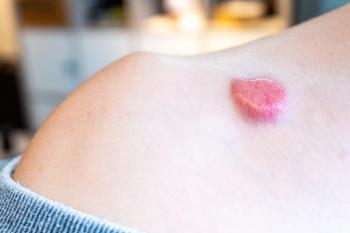
In a murine model, application of PALA in topical fashion led to reductions in tumor grades and numbers.

Reynolds discussed what attendees need to know about using cemiplimab to target their difficult skin cancer patients at the Fall Clinical Dermatology Conference for PAs and NPs.

Principal investigator Jason Luke, MD, discusses what the new data means for melanoma treatment moving forward.
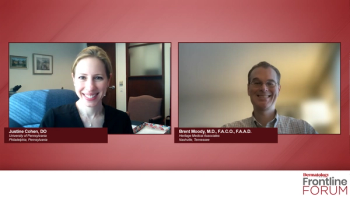
Drs Justine Cohen and Brent Moody provide their key takeaways and panel discussion highlights related to the management of patients with basal cell carcinoma.

An expert in dermatology shares her insights into the duration of treatment and dose adjustments for systemic treatments in patients with basal cell carcinoma.

Dr Justine Cohen discusses her approach to systemic treatment selection in her patients with basal cell carcinoma; highlighting the importance of individualizing the treatment plan.
Justine Cohen, DO and Brent Moody M.D., F.A.C.P., F.A.A.D, comment on which patients would be appropriate for non-surgical treatment options in the management of their basal cell carcinoma.
Click here to answer this week's poll.
Catch up on the innovative pearls shared at the 2023 American College of Mohs Surgery including strategies to enhace the patient experience, the role artificial intelligence plays in dermatologic care, and more.

Brandon Beal, MD shared his experience, which technology solutions work best, and resources available to dermatology practices.

The rapid pearl session explored a case that challenged surgeons to preserve the function of the tarsal plate and musculature attachments.

His keynote speech at ACMS focused on artificial intelligence for precision medicine and cancer diagnosis.

Jerry Brewer, MD, MS, shared pearls on reasons to avoid or discontinue Mohs surgery and keeping calm with stressed, vulnerable patients.

Katie Schlenker, DO, emphasizes the importance of empathy during tough conversations with skin cancer patients with few to no treatment options left.

Golda explains why he prefers using tranexamic acid to control bleeding in granulated wounds.

An ACMS poster session indicates Mohs micrographic surgeons and histology technicians are at high risk of developing musculoskeletal injuries from their day-to-day tasks.

Laura Rezac, MD and her colleagues evaluated a teledermatology postoperative follow-up model after Mohs Micrographic surgery.

Caleb Kovell, MD and Junqian Zhang, MD demonstrated how teaming up increases the likelihood for positive patient outcomes in Mohs cases on the genitalia and perianal region.
Advertisement
Advertisement
Trending on Dermatology Times
1
FDA Approves Baricitinib for Adolescents With Severe Alopecia Areata
2
Tremfya Meets Primary, Major Secondary Endpoints in Phase 4 STAR Study of Axial PsA
3
Alopecia Areata Awareness Month: 2026 in Review
4
From Mechanism to Management: Navigating Male Pattern Hair Loss and New Topical Therapies
5