

Non-Melanoma Skin Cancers
Latest News
Advertisement
Latest Videos








Advertisement
More News

Eccrine porocarcinoma is a rare, aggressive tumor that originates from the intraepidermal ducts of eccrine glands.
Findings from a retrospective cohort study found that immune checkpoint inhibitors induced promising responses in the first- and second-line treatment of head and neck squamous cell carcinoma.

Neoadjuvant treatment with cemiplimab led to near or complete disappearance of cutaneous squamous cell carcinoma in almost 64% of patients set to undergo surgery.

The 40-gene expression profile (40-GEP) test can focus treatment options and optimize patient outcomes, according to a poster presentation at the 2022 Fall Clinical Dermatology Conference.

At the 2022 Fall Clinical Dermatology Conference in Las Vegas, a look at the latest technology for treating basal cell carcinoma and nonmelanoma skin cancer.

Immune checkpoint inhibitor therapy does not appear to increase complication rates in patients undergoing dermatologic procedures, according to a video oral abstract presentation at the 2022 ASDS Annual Meeting.

Authors of an oral abstract at the 2022 ASDS Annual Meeting presented their findings on the demographics of who requests total body skin exams to screen for skin cancer.

Two dermatologists discuss how immune checkpoint inhibitors will change the way dermatologists manage skin cancer.

At a poster session at the Skin of Color Update meeting in New York City, investigators looked at skin cancer education and prevention among patients with skin of color.
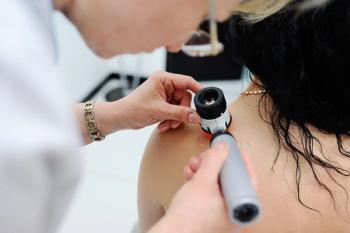
The relationship between transplant patients and basal cell carcinoma was discussed at EADV Congress 2022 in Milan, Italy.
Soligenix announces positive phase 3 results from FLASH study for the use of synthetic hypericin to reduce cutaneous T-cell lymphoma lesions.

A grant from the Melanoma Research Foundation powers the initial stages of the project.

MW005 treatment for low-risk basal cell carcinoma would offer patients an alternative to surgical excision.

A 5-month-old girl with a large scalp infantile hemangioma (IH), present since 6 weeks of age, is evaluated in the emergency department for lethargy and pallor.

Click here to answer this week's poll.

Click here to answer this week's poll.

A systematic review of literature shows a shift from amputation to other surgical tactics to treat certain types of nail squamous cell carcinomas.

Age alone does not appear to predict all post-treatment outcomes for BCC patients and should not be used solely to guide BCC-related treatment decisions, a recent study says.

Regeneron Pharmaceuticals Inc came to an agreement to buy the drug from Sanofi for up to $1.1 billion.
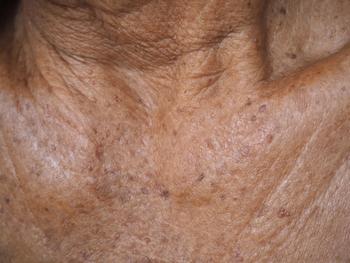
The AAD recently added topical tirbanibulin (Klisyri: Almirall) to its list of recommended therapies for treating AK.

Protection from the harsh rays of the sun is crucial for everyone—including children. Now that summer has arrived, a refresher course for your patients and their families on sun protection, which can go a long way in preventing skin damage and disorders due to the sun.

Data from one study showed younger women more likely to use sunscreen than older adults.
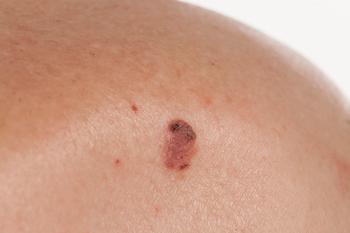
At the ACMS meeting, Chrysalyne D. Schmults, MD, MScE, highlighted molecular diagnostics for squamous cell carcinoma.

At the current ACMS meeting, Kelsey E. Hirotsu, MD, discussed the bleeding complications seen in patients on ibrutinib for CLL.

A study presented at the current ACMS meeting highlights variables that could predict BCC, including: gender, immune status, and more.
Advertisement
Advertisement
Trending on Dermatology Times
1
FDA Approves Baricitinib for Adolescents With Severe Alopecia Areata
2
Tremfya Meets Primary, Major Secondary Endpoints in Phase 4 STAR Study of Axial PsA
3
Alopecia Areata Awareness Month: 2026 in Review
4
From Mechanism to Management: Navigating Male Pattern Hair Loss and New Topical Therapies
5