


A grant from the Melanoma Research Foundation powers the initial stages of the project.
John Jesitus is a medical writer based in Westminster, CO.
A grant from the Melanoma Research Foundation powers the initial stages of the project.

Advances in imaging may help gather more datasets on tumor development from a single experiment.

Software helps expedite access to dermatology appointments.

Study shows nearly 50% reduction in benign lesions excised.

Frozen primary tumor samples will allow researchers to track lesions as they evolve and better understand the characteristics and biomarkers that distinguish aggressive melanomas.

Research does not establish causality, but reveals significant relationships between food choices and melanoma thickness.
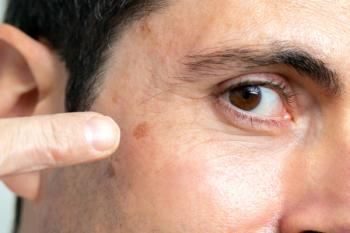
Authors suggest not practice changes but more research.

New synthetic small molecule aims to counter drug resistance in BRAF-mutated melanomas.
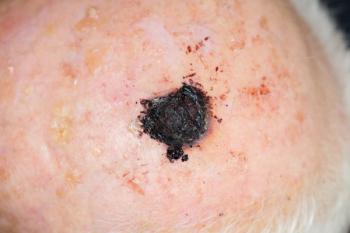
There is room for improvement in dermatology palliative care; training can help providers raise that standard.

Dermatopathologists diagnose melanoma at similar rates regardless of whether they think the skin cancer is overdiagnosed.

A single lesson made an impact on high school students' knowledge and behavior when it came to sun protection.

Mobile screening and education initiatives can help bridge gaps in both patient knowledge and access to care.

Sunscreen use is on the rise, but further education is needed.

Immunotherapy, intralesional treatments, multidisciplinary care teams define rapidly-evolving multimodal approach.

With the number of melanoma cases among young adults on the rise, adherence to preventative measures could be critical to stemming the tide of increased incidences of this deadly skin disease.

Specifying histologic subtypes can drive better outcomes for patients and improve research.
Zoe Diana Draelos, MD, gives the details on sun protective clothing, including how it doesn't need to break the bank, how to test how protective clothing is, and a hat might be the most important piece of sun protection.
Data shows that the overall rate of melanoma diagnosis rose sixfold over the last 4 decades at a time when melanoma mortality stayed relatively stable.

Providing thorough, clear and actionable information is a key part of melanoma care; survey offers a look at where dermatologists can improve.

A long-term study of 2 British cohorts with atopic dermatitis (AD) reveals 4 distinct disease patterns occurring between birth and midlife.

Natural skincare ingredients are always trending, said Patricia K. Farris, MD, hear what she had to say about using these in combination with other regimens.

A recent case report highlights the importance of caution when using fractional laser resurfacing in patients with active or previous acne.

New therapies raise patient expectations for fast efficacy, lower costs, and fewer adverse effects.

NEA’s Eczema Expo highlights new drugs, steroid withdrawal, alternative therapies.

Testosterone therapy often leads to unique challenges.

Innovations include underserved populations, acne, and advanced applications.
Innovations include underserved populations, acne, and advanced applications.

The International Psoriasis Council (IPC)’s new binary classification system aims to streamline access to systemic treatments for patients who previously were likely undertreated.
Addressing underdiagnosis, underrepresentation, and undertreatment in skin of color patients with psoriasis.

Dermatologists are expanding their skill sets and exploring new techniques to enable gender-diverse patients to achieve their medical and aesthetic goals.

June 30th 2021

March 24th 2020

October 27th 2020
December 17th 2020

November 27th 2020

June 8th 2021