

Platelet-rich plasma (PRP) shows promise as an adjunctive treatment for atrophic acne scarring, but experts say more research is needed.
John Jesitus is a medical writer based in Westminster, CO.
Platelet-rich plasma (PRP) shows promise as an adjunctive treatment for atrophic acne scarring, but experts say more research is needed.

Several new studies indicate that disease burden may be higher in adolescents than in adults with atopic dermatitis, and that adolescents with moderate-to-severe disease may face an even greater unmet therapeutic need.

A Danish study suggests that TNF inhibitors may not increase the risk of developing recurring or new primary cancers in patients with inflammatory diseases.

Ustekinumab’s short-term effect on aortic vascular inflammation points to possible role of IL-12, IL-23 in cardiovascular disease, but more research is needed.

A web-based survey indicates erythema severity correlates with rosacea’s quality-of-life impact.

Treating all acne early with a topical retinoid and an antibiotic can help patients avoid scarring and its psychosocial consequences, experts say. The aggressive approach also may help stave off medicolegal concerns, they add.

In this article, we highlight the Johns Hopkins Cutaneous Translational Research Program (CTReP), which integrates academic and clinical resources to help illuminate concepts and mechanisms that may help patients with a variety of dermatologic concerns.
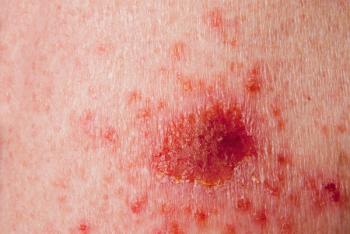
New German basal cell carcinoma (BCC) guidelines are more alike than unlike U.S. guidelines, although minor differences exist in areas such as prevention and newer systemic treatments, says experts.

The often-devastating impact of female hair loss requires dermatologists to diagnose and quell underlying pathology as quickly as possible, usually using combination therapies followed by long-term maintenance.

A recent review provides a timely update regarding what is known about itch and skin barrier damage.

The initial cosmetic consultation with a new patient should inspire with possibilities rather than overwhelm with details. That's according to Dr. Mary Lupo who offers several tips for making the most of your cosmetic consults.
Psoriasis and atopic dermatitis patients want more nonsteroidal topical options. This expert breaks down newly available treatments and those to come.

According to Beverly Hills, Calif.-based dermatologist Ava Shamban, M.D., the versatility of a dual-wavelength fractional laser makes it possible to treat non-facial body areas with precision and safety.

Dr. Gregory Buford believes success on social media means cutting through the clutter by combining key personality traits and posting the right mix.

Interested in getting into the body contouring game? Dr. Kathleen Welsh offers advice on how to get started.

The golden ratio can satisfy beauty standards, but universal, cultural and personal aesthetics must also be considered.

‘Inflammaging’ is real, says one expert, and can result from chronic inflammation, cell senescence and other internal processes.

From skin care to skin cancer, treating patients of all ages and throughout life stages creates patient loyalty and fosters aesthetic leadership.

Survey strives to provide a framework for fairly compensating nonphysician aesthetic providers.
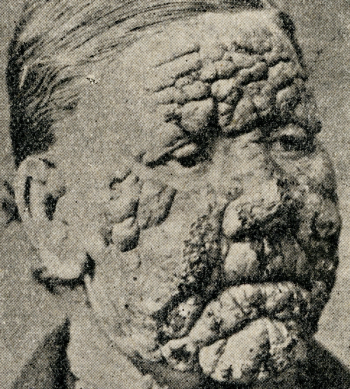
Discover how the study of skin evolved over time until it was recognized as a distinct medical specialty in the 18th and 19th centuries.

Key developments among new and emerging treatments for acne and rosacea include a novel oral agent and a novel topical agent, as well as new formulations of existing products, says Diane S. Berson, M.D. in her presentation at AAD.

Unlike prior generations of dermatologic drugs, Janus kinase (JAK) inhibitors show potential for treating numerous dermatologic indications. Brett King, M.D., Ph.D. explored what this class of drug has to offer in his presentation during AAD earlier this month.

With several Janus kinase (JAK) inhibitors undergoing clinical trials for vitiligo, their potential approvals will deliver new hope and an entirely new treatment strategy, said an expert at AAD.
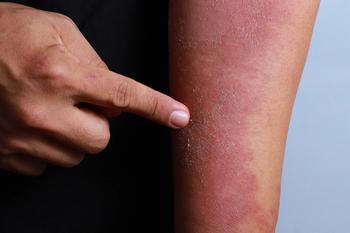
In the future, atopic dermatitis (AD) may need to be targeted with different drugs and tailored for different AD populations, particularly if initial treatment targeting all phenotypes fails, says Emma Guttman-Yassky, M.D., Ph.D.

Fractional ablative and nonablative lasers cover a wide variety of indications, but skin tightening results often require adjunctive treatment modalities and postprocedural regimens remain a puzzle, says Susan Van Dyke, M.D.

With a crowded indication that includes 14 systemic agents, is there really room for tyrosine kinase 2 (Tyk2) inhibitors to treat psoriasis? This physician thinks so.

Drug-device combination, VP-102, met all primary and secondary endpoints in the parallel Cantharidin Application in Molluscum Patients (CAMP)-1 and CAMP-2 trials.

While this new class of medications still has a role in treating psoriasis, this physician says the standard for both their efficacy and safety is very high because of the existing, already very effective systemic therapies available today.

Although prescribers who provide in-office dispensing must satisfy applicable state and other requirements, a recent ruling against Allergan's attempt to shut down Prescriber's Choice appears to pave the way for expansion of these services, according to Wm. Philip Werschler, M.D.

Fillers and skin tightening technologies provide safe, synergistic results.