




Non-Melanoma Skin Cancers
Latest News
Advertisement
Latest Videos


Advertisement
More News
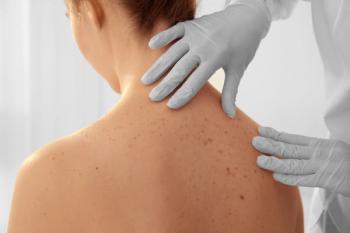
Nonmelanoma skin cancer ranks in the top 12 skin diseases reported.

Two experts offer a step-by-step guide to creating an effective multidisciplinary treatment team.
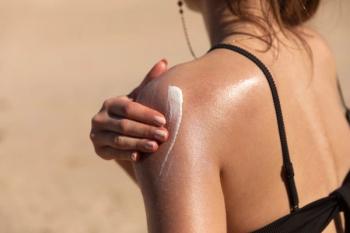
The American Academy of Dermatology’s survey finds more Americans say sun protection is more important than 5 years ago, but don’t understand how to protect themselves.

The Skin Cancer Foundation's mobile education program is set to cross the United States to both raise skin cancer awareness and provide free skin cancer screenings.

At the opening session of the Society of Dermatology Nurse Practitioners Annual Symposium, Kathleen Haycraft, DNP, FNP-BC, DCNP, FAANP, delved into the revolutionary and evolutionary advances shaping dermatology in 2022.
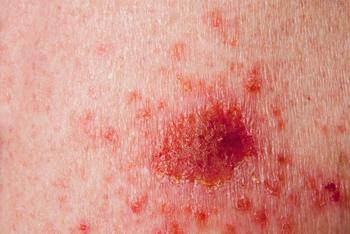
Now, with an increasing emphasis on multidisciplinary tumor review boards and heightened expectations for pipeline drugs, physicians have new tools for building treatment plans that may push response rates beyond the 30% range.

The human microbiota and its involvement in human health and disease has been emphasized in recent years. Now, researchers have begun to explore whether a patient’s unique microbiota may influence skin cancer risk and response to therapy.

While cigarette smoking has decreased in recent years, the use of e-cigarettes has only grown. But what are e-cigarettes associated risks for non-melanoma skin cancer? A recent study aims to find out.

In this fourth part of a 4 part video series, Lisa Zaba, MD, PhD, FAAD, talks about what to look forward to in treatment and clinical trials of merkel cell carcinoma (MCC).

In this third part of a 4 part video series, Lisa Zaba, MD, PhD, FAAD, highlights the in practice experiences in using circulating tumor DNA for merkel cell carcinoma (MCC).

In this second part of a 4 part video series, Lisa Zaba, MD, PhD, FAAD, explains the data behind the clinical trials on using circulating tumor DNA for merkel cell carcinoma (MCC). She expands on her talk from the 2022 American Academy of Dermatology Annual Meeting.

In this first part of a 4 part video series, Lisa Zaba, MD, PhD, FAAD, explains the science behind her presentation on "The Utility of Circulating Tumor DNA for Detecting Clinically Evident and Occult Merkel Cell Carcinoma." This was presented at the 2022 American Academy of Dermatology Annual Meeting.

Experts detailed current evidence-based treatment guidelines for Merkel cell carcinoma at the 2022 American Academy of Dermatology (AAD)’s Annual meeting held March 25 to 29, 2022, in Boston, Massachusetts.

Dermatologists continue to be split on the pros and cons of skin cancer screening, from overdiagnosis to early detection of thin melanomas.

Mariam Totonchy, MD, and Chrysalyne D. Schmults, MD, MSCE, discuss best practices when caring for high-risk cSCC patients, including surgical vs nonsurgical options, imaging, and follow-up protocol.
A recent study examined if the neutrophil–lymphocyte ratio (NLR) is a useful inflammatory biomarker in skin cancer prognostication.

A recent study examined the possibility of using an mRNA vaccine to prevent the development of skin cancer.

Do dark leafy green vegetables have a protective effect against cutaneous squamous cell carcinoma? This study aims to find out.

A recent investigated how the limited access to specialty care in these populations may affect the detection and diagnosis of skin cancer.
In this week’s Pointers with Dr Portela, the 208SkinDoc reacts to an episode of Botched, which was about a patient with basal cell carcinoma (BCC), whose tanning in her younger years led to Mohs surgery.

Poster presented at Maui Derm for Dermatologists 2022 reveals prognostic value of 2 independently validated algorithms.
Mono- and combination therapies offer choices for treatments that clear skin with fewer adverse effects.

Patients suffering from a wide range of dermatologic diseases can benefit from the new and exciting therapies and treatment modalities that have recently become available.

Skin cancer dermoscopy is getting a hightech overhaul as the scope of innovation broadens from a singular focus on the stand-alone product to the development of a comprehensive medical, patient care, and workflow management platform.

Skin cancer is on the rise. Knowing what teenagers and adolescents understand about protecting skin from the sun and how well they’re using that information can be important to changing that trend.
Advertisement
Advertisement
Trending on Dermatology Times
1
FDA Approves Baricitinib for Adolescents With Severe Alopecia Areata
2
Tremfya Meets Primary, Major Secondary Endpoints in Phase 4 STAR Study of Axial PsA
3
Alopecia Areata Awareness Month: 2026 in Review
4
From Mechanism to Management: Navigating Male Pattern Hair Loss and New Topical Therapies
5