Research has begun to explore natural compounds that address the oxidative stress, autoimmunity, and altered melanogenesis that drive vitiligo pathogenesis.
Research has begun to explore natural compounds that address the oxidative stress, autoimmunity, and altered melanogenesis that drive vitiligo pathogenesis.

Latin America presents a patchwork of challenges and opportunities in vitiligo management according to a review published in the Journal of Dermatological Treatment.

Racial disparities in antibiotic prescription also influence treatment decisions.

Neal Bhatia, MD, explores steroid alternatives in his presentation at the Fall Clinical Dermatology Conference.

Part 2 of Dermatology Times®’ coverage of a strategic look at superficial radiation therapy (SRT) presented at the recent Music City SCALE Symposium for Cosmetic Advances & Laser Education 16th Annual Meeting details this therapy’s potential for reducing keloid recurrence.

Part 1 of Dermatology Times®’ coverage of a strategic look at superficial radiation therapy (SRT) presented at the recent Music City SCALE Symposium for Cosmetic Advances & Laser Education 16th Annual Meeting in Nashville, Tennessee, showcases this therapy’s efficacy in treating keratinocytic skin cancers.

Since the start of the pandemic, dermatologists have seen an average 50% drop in patient volume. While teledermatology has offered a channel for non-urgent patients and patient visits are rebounding, overall patient volumes are still significantly lower than 2019.

"Clean" skincare has become a popular trend. A preference for products without certain ingredients is fine if the products make patients feel better without making their skin worse, one expert says.

Only half of patients are satisfied with their atopic dermatitis treatment; yet, only about one-third discuss their quality-of-life concerns with their healthcare provider, a recent survey reveals.

While more evidence is required to really understand how diet impacts skin aging, some studies suggest a Mediterranean diet, changing cooking methods and decreasing sugar can positively impact skin aging.

Manipulating the microbiome has been shown to impact conditions including acne, atopic dermatitis (AD), autoimmune diseases and melanoma. While there are many clinical trials now in progress, safety and efficacy have not yet been proven.

Recruiting is ongoing for an investigator-initiated clinical trial of pembrolizumab in clinical stage 2B/C melanoma which will investigate the effects of treatment with pembrolizumab before surgery to remove melanoma on the rate of positive sentinel lymph nodes in patients with stage IIB/C melanoma.

In clinical trials, most patients treated with tralokinumab maintained 75% reductions in EASI scores for one year.
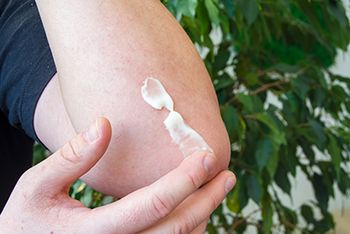
Vehicles for topical atopic dermatitis treatments deliver benefits that promote barrier restoration and enhance innate immune defenses, a review suggests.

Phase 3 data show tildrakizumab’s (Ilumya, Sun Pharma) efficacy and safety last up to five years.

According to a recent meta-analysis, patients who stop and restart biologic treatment can regain psoriasis control without experiencing unexpected safety issues.

An investigational topical phosphodiesterase (PDE)-4 inhibitor for psoriasis has demonstrated improvements on par with topical corticosteroids in phase 2b testing.

Twice-weekly treatment with calcipotriene-betamethasone diproprionate provides safe and effective maintenance treatment for plaque psoriasis, according to phase 3 data.

If patients are concerned that sunscreen use may harm their health or the environment, physical sunscreens such as zinc oxide may provide the most reassurance, one expert says.

Consumers can get virtually all of today’s hottest skin, hair and nail nutrients without buying special supplements, an expert says.

Gene expression profiling (GEP) has the potential to improve melanoma prognostication, but shortcomings remain, one expert says.

With newer biologics consistently posting PASI improvements greater than 90%, dermatologists need to consider other factors when selecting a treatment. However, nuanced differences between the same drug class could be teased out, one expert says.


The latest set of guidelines for psoriasis being developed by the American Academy of Dermatology and the National Psoriasis Foundation will stress patient education and the need to align treatment strategies with patient lifestyles.

A recent study showing that patients perceive inflammation-associated itch as more intense and qualitatively different than itch without inflammation suggests that dermatologists target inflammation in conditions such as atopic dermatitis.

Treatment recommendations for psoriasis patients with specific comorbidities.

Based on current data, biosimilars are therapeutically equivalent to their progenitors, says these experts.

“The landscape of biologics and biosimilars is changing rapidly, and for the better,” says Mark Lebwohl, M.D. Biologics have given patients the possibility of complete psoriasis clearance and control of their psoriatic arthritis (PsA), which were not options 20 years ago, adds Alice Gottlieb, M.D., Ph.D.

A new methotrexate usage survey shows that most patients with arthritis do not discuss medication modification strategies with their doctors.

September 8th 2020

August 25th 2020

August 25th 2020

July 2nd 2020

August 27th 2020