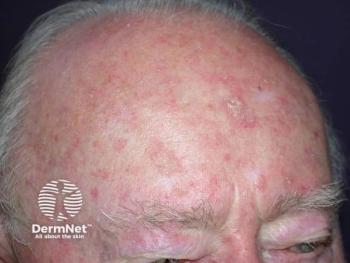
Faculty from the Cutaneous Oncology Workshop answer practical questions spanning skin cancer prevention, diagnosis, treatment, and follow-up.
Australian multicenter data shows older head and neck squamous cell carcinoma patients often miss standard radiotherapy-plus-chemo, yet guideline care boosts survival.
A large multicenter retrospective study from Australia found that older patients with mucosal head and neck
The study evaluated 1553 patients treated with radiotherapy for mHNSCC between 2010 and 2018 across 6 hospitals. Of these patients, 432 were aged 70 years or older, while 1121 were younger than 70 years. Researchers examined differences in treatment patterns, overall survival (OS), and progression-free survival (PFS) between the age groups.
Older patients differed from younger patients in several baseline characteristics. They were more likely to be female, unpartnered, former smokers, and to have poorer Eastern Cooperative Oncology Group (ECOG) performance status. Older patients were also less likely to present with oropharyngeal tumors and more likely to have oral cavity or laryngeal cancers.
Treatment patterns varied substantially by age. Only 75.7% of older patients received curative-intent therapy compared with 91.6% of younger patients. Older patients were also significantly less likely to receive concurrent systemic therapy alongside radiotherapy. Among curatively treated patients, 67.0% of older adults did not receive concurrent systemic therapy versus 32.2% of younger patients.
When systemic therapy was prescribed, treatment regimens also differed. Older patients were less likely to receive cisplatin and more likely to receive cetuximab or carboplatin. In primary radiotherapy settings, cisplatin was used in 44.4% of older patients compared with 72.1% of younger patients.
Prescription of SOC treatment was significantly lower among older patients overall, with 59.6% receiving SOC therapy compared with 74.0% of younger patients. Common deviations from SOC included omission of concurrent systemic therapy, use of cetuximab or carboplatin instead of cisplatin, nonstandard radiotherapy dosing, and use of primary radiotherapy in cases where surgery would typically be recommended.
Multivariable analysis identified several factors associated with a lower likelihood of receiving SOC treatment. Older age was strongly associated with nonstandard treatment prescription. Additional factors included unpartnered marital status, worse ECOG performance status, and advanced tumor stage. Conversely, oral cavity tumors were associated with a greater likelihood of SOC treatment.
Survival outcomes were also poorer among older patients. The median OS for curatively treated patients was 115.6 months in younger patients compared with 63.5 months in older patients. Three-year OS rates were 74.6% in younger patients and 62.6% in older patients, while 5-year OS rates were 67.3% and 51.5%, respectively. Older patients also had worse PFS. Three-year PFS rates were 73.0% in younger patients versus 64.8% in older patients, while 5-year PFS rates were 70.2% and 62.2%, respectively.
On multivariable analysis, older age remained independently associated with worse OS but not PFS. Poor ECOG performance status, advanced stage disease, and nonstandard treatment were associated with inferior outcomes. SOC treatment was linked to improved OS and PFS. The investigators noted that older patients experienced significantly more noncancer-related deaths than younger patients, which may partly explain the OS disparity. Older age, smoking history, and poorer performance status likely contributed to increased competing mortality risks. Importantly, the study found no evidence that the benefit of SOC treatment differed between older and younger patients.
The authors emphasized that treatment decisions in older patients should not rely solely on chronological age. Instead, clinicians should consider biological age, comorbidities, functional status, social support, and patient preferences. They also highlighted the potential role of geriatric assessment tools and supportive interventions to help more older patients tolerate SOC therapy.2
The study’s retrospective design and incomplete data regarding p16 status, comorbidities, and treatment toxicity were noted as potential limitations. However, these findings add to growing evidence that appropriately selected older patients with
References
1. Aly F, Descallar J, Sundaresan P, Miller AA, Holloway L, Vinod S. Variations in Treatment Prescription and Survival Outcomes Between Older and Younger Patients With Mucosal Head and Neck Squamous Cell Carcinoma Treated With Radiotherapy. Head Neck. Published online May 5, 2026. doi:10.1002/hed.70310
2. Loh KP, Soto-Perez-de-Celis E, Hsu T, et al. What Every Oncologist Should Know About Geriatric Assessment for Older Patients With Cancer: Young International Society of Geriatric Oncology Position Paper. J Oncol Pract. 2018;14(2):85-94. doi:10.1200/JOP.2017.026435