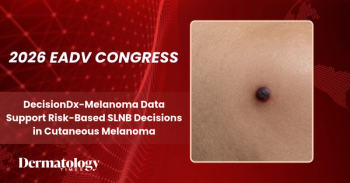
Prospective data suggest DecisionDx-Melanoma may help refine SLNB decisions and identify recurrence risk beyond conventional staging.
Shawn Demehri, MD, PhD, discussed immunomodulatory and antigen-directed immunotherapy approaches for skin cancer prevention in a recent Dermatology Times interview.
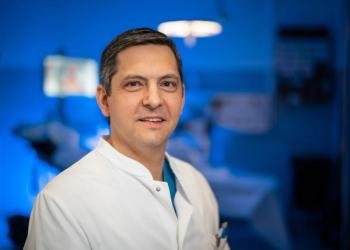
Shawn Demehri, MD, PhD, is a physician-scientist and dermatologist at Massachusetts General Hospital and Harvard Medical School, where he directs the high-risk skin cancer clinic and leads a laboratory studying immune-based approaches to cancer prevention. His clinic manages patients with multiple nonmelanoma skin cancers, including organ transplant recipients and individuals with genetic predispositions such as
Looking ahead, Demehri said his laboratory is investigating whether immune-based approaches to skin cancer prevention can be applied in more targeted ways to cancers of the skin and other organs.
Demehri described immunomodulatory agents as a category of immunotherapies that induce cytokines to recruit immune cells against tumor cells, precancerous cells, or damaged cells in the skin.
"It induces cytokines to recruit immune cells to target the tumor cells or precancer cells or damaged cells in the skin," Demehri said.
The broader goal, he explained, is to determine whether these immune-based strategies can be directed toward cancer prevention in the skin and potentially other
Another area of focus for Demehri's laboratory is antigen-directed immunotherapy for cancer prevention. The approach explores whether antigens or other elements present in the skin can enable the immune system to recognize abnormal or damaged cells within the keratinocyte compartment.
"The idea of how we could use antigens that exist in the skin or elements that exist in the skin to enable the immune system to recognize bad cells or damaged cells in the keratinocyte compartment is something that we are very excited about," Demehri said.
He added that this work could expand the ability to more effectively prevent cancer in high-risk patients.
Demehri also highlighted the
"One of the areas, for example, that we are very excited about is looking at human virome and how the commensal viruses that live on our skin would help us fight skin cancers," Demehri said.
He framed these efforts as part of a broader interest in understanding the immunobiology of early cancer development and identifying opportunities to harness the immune system for cancer prevention.
"That's really foundational, again, excitement in terms of understanding immunobiology of early cancer development and where can we really leverage the immune system for better prevention of cancer," Demehri said.