Prospective data suggest DecisionDx-Melanoma may help refine SLNB decisions and identify recurrence risk beyond conventional staging.
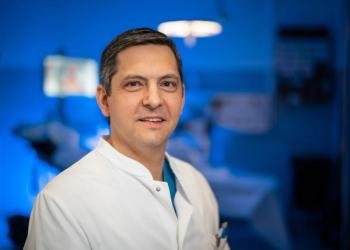
Shawn Demehri, MD, PhD, discussed a topical combination immunotherapy being studied for skin cancer prevention in high-risk patients.
Shadmehr (Shawn) Demehri, MD, PhD, director of the High-Risk Skin Cancer Clinic at Massachusetts General Hospital, treats patients who develop multiple
Chronically sun-exposed skin can remain susceptible to developing new skin cancers over time, creating a need for preventive approaches that address the broader field of at-risk skin, Demehri explained. Historical field treatments, including 5-FU and
Demehri's laboratory approached the problem through immunology, investigating whether the immune system could instead be harnessed to prevent skin cancer development. That work focused in part on cytokines released by keratinocytes that stimulate protective T-cell responses.
"One of these molecules, thymic stromal lymphopoietin, is induced by an already existing medication called calcipotriene, which is used for psoriasis treatment," Demehri said.
The initial randomized, double-blind clinical trial, conducted at Washington University, evaluated a 4-day course of calcipotriene plus 5-FU compared with Vaseline plus 5-FU for field treatment of AKs. The combination resulted in greater reductions in AK counts across the face, scalp, and upper extremities and induced a CD4+ T-cell immune response against the lesions.
"We were able to clear AKs much faster, much more effectively by this combination therapy compared to 5-fluorouracil monotherapy," Demehri said.
In the trial, calcipotriene plus 5-FU resulted in a mean 87.8% reduction in AKs on the face compared with 26.3% with the control regimen at 8 weeks. Mean reductions were also greater with the combination on the scalp and upper extremities.
A subsequent prospective cohort study evaluated whether the immune response translated into longer-term protection against SCC. Within 3 years, 2 of 30 patients (7%) treated with calcipotriene plus 5-FU developed SCC on the treated face and scalp compared with 11 of 40 patients (28%) in the control group (HR, 0.215; 95% CI, 0.048-0.972; P = .032). The treatment was also associated with persistent tissue-resident memory T cells in the skin.
"After 3 years of treatment in these trial patients, they were still protected from developing new squamous cell cancers compared to the control arm that had received 5-FU monotherapy," Demehri said.
Demehri's team has continued investigating the mechanism underlying the topical immunotherapy, including the type of immune response it induces in human skin. He said the response is distinct from immune responses that could damage transplanted organs, supporting further investigation of the approach in
"It's an immunotherapy, but the type of immune [response] it induces is very distinct from immune responses that could kill transplanted organs," Demehri said.
A multicenter trial across 4 US sites has evaluated T-cell immune induction following topical treatment in organ transplant recipients. Demehri said the team is wrapping up the work and plans to analyze and report the findings.
"That's the work that we are about to wrap up, and hopefully we'll be able to report the results soon," Demehri said.
References