Nicole Negbenebor, MD, highlights the clinical and professional impact of community-driven education and evidence-based focus in skin of color dermatology.
Nicole Negbenebor, MD, highlights the clinical and professional impact of community-driven education and evidence-based focus in skin of color dermatology.

Although the number of women leaders in Mohs surgery has increased, significant gender disparities remain in leadership roles, productivity metrics, and speaking opportunities.
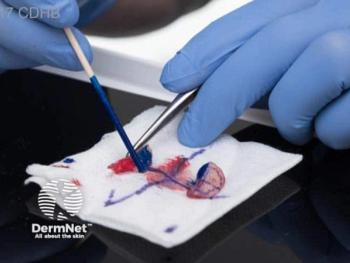
Former US President Joseph R. Biden's Mohs surgery highlights the need for equitable access to this effective skin cancer treatment, emphasizing its benefits and ongoing disparities.

Surface keratin 1 has emerged as a promising target in triple-negative breast cancer, bridging dermatology and oncology for innovative treatments.

Our July cover story explores effective treatments for hidradenitis suppurativa, including procedural interventions and advanced therapies that enhance patient quality of life.
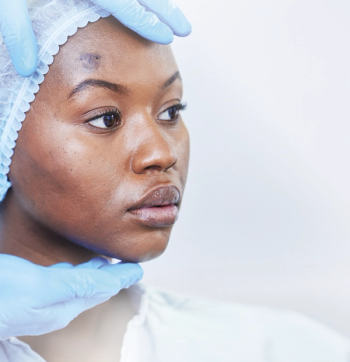
Explore the urgent need for improved skin cancer awareness and care for minority populations, addressing disparities in diagnosis and treatment.

A 30-year-old patient with dermatofibrosarcoma protuberans faced a recurrence after initial surgery. Mohs micrographic surgery was used for precise excision, reducing recurrence risk and improving outcomes.

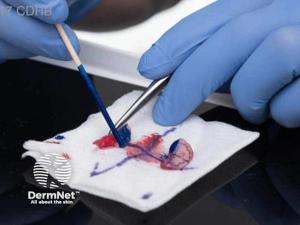
Explore the role of immunohistochemical stains in enhancing diagnostic accuracy during Mohs surgery, aiding treatment of challenging skin cancers.

In October's cover feature, Nicole A. Negbenebor, MD, FAAD, discusses the benefits of intralesional 5-fluorouracil injection for older patients with squamous cell carcinoma who may elect to delay therapy or are not ideal candidates for surgery.
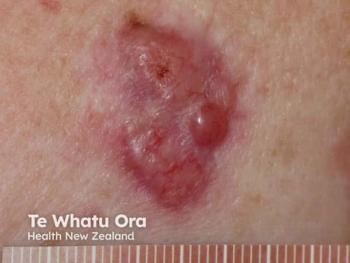
To improve overall outcomes for patients with large basal cell carcinomas, it has been beneficial to employ the use of vismodegib as a neoadjuvant and/or adjuvant treatment.

From our March cover feature: Vulnerable populations such as the prison population should have access to Mohs surgery to prevent the increased risk of morbidity and mortality from skin cancer.
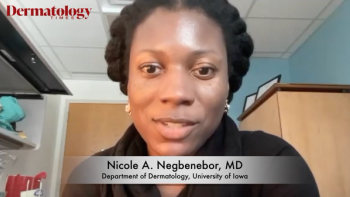
In celebration of Women's History Month and today, which is International Women's Day, dermatologist Nicole Negbenebor, MD, discusses her journey in the dermatology space and provides advice for young women and girls aspiring to enter the medical field.

Immunotherapies, including PD-1 checkpoint inhibitors such as nivolumab, have improved the treatment options for patients with advanced melanoma.

There may be delays in diagnosis and treatment of psoriasis in patients with darker skin tones due to the clinical presentation variations and less visible erythema.

The clinical presentations of Merkel cell carcinoma in patients with skin of color require dermatology providers to be more aware of the nuances in diagnosis and management.

Hiring investigators of color, educating and building trust with potential participants, and addressing funding can make clinical trials more diverse.

August 25th 2022