Prospective data suggest DecisionDx-Melanoma may help refine SLNB decisions and identify recurrence risk beyond conventional staging.
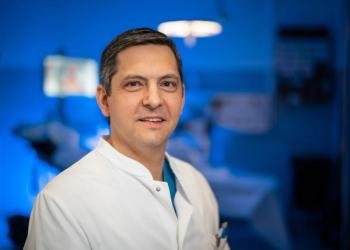
Nicole Negbenebor, MD, highlights the clinical and professional impact of community-driven education and evidence-based focus in skin of color dermatology.
At the
Reflecting on keynote remarks from Regina Benjamin, MD, MBA, Negbenebor emphasized a central message: leadership does not require formal designation. “You don’t need a title to act,” she noted, highlighting the importance of addressing gaps in care and education proactively. This perspective is particularly relevant in dermatology, where disparities in diagnosis and treatment outcomes persist across skin tones and disease states.1
Mentorship emerged as another critical theme. Negbenebor described it as a defining component of career development, especially in a specialty with increasing competitiveness. She emphasized the importance of engaging learners across all stages—from high school through residency—to broaden access to dermatology and support a more diverse workforce. These efforts may have downstream clinical implications, particularly in improving cultural competency and patient-centered care.
The SOCS symposium also highlighted the continued need for rigorous, evidence-based research in skin of color dermatology. Negbenebor pointed to sessions addressing conditions with disproportionate burden in patients with darker skin tones, including cutaneous T-cell lymphoma (CTCL) and various alopecias. These discussions reflect an ongoing shift toward more inclusive research frameworks that account for differences in epidemiology, presentation, and outcomes. Addressing such gaps is essential for optimizing diagnostic accuracy and therapeutic decision-making in clinical practice.
Leadership resilience was another focal point, with Negbenebor referencing remarks from SOCS founder Susan Taylor, MD, on navigating challenging and often turbulent professional environments. She emphasized the importance of advocating for evidence-based medicine and maintaining a strong clinical voice, particularly when addressing health inequities.2
Finally, Negbenebor highlighted the unique role of the SOCS meeting in fostering community. Compared with the scale of AAD, the symposium offers a more intimate setting for mentorship, collaboration, and focused discussion. This environment, she noted, enhances networking opportunities while reinforcing shared goals around equity, research, and clinical excellence.
As Negbenebor noted, the meeting serves as a critical platform that not only advances scientific understanding but also strengthens the professional pipeline and community necessary to improve dermatologic care across diverse populations.
References