


Skin Cancer
Latest News
Advertisement
Latest Videos




CME Content



Advertisement
More News
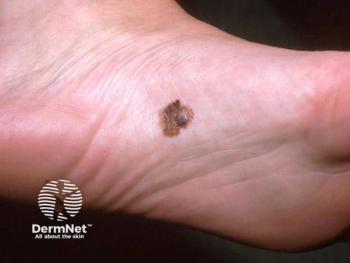
A newly defined Nodularity Index, measuring tumor depth relative to width, independently predicted melanoma-specific survival.
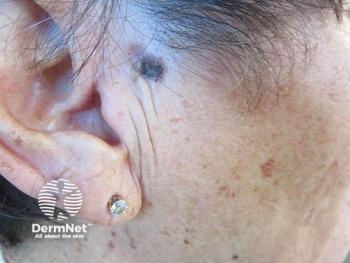
Clearance rates increased between days 29 and 57, with the highest activity observed in the 200-μg treatment group.

A combined group of ophthalmology and dermatology specialists traveled to communities in Nepal to conduct consultations, procedures, and teaching sessions, and specifically in dermatology, skin malignancy removals, trainings on biologics and JAKs, and melanoma detection demonstrations.
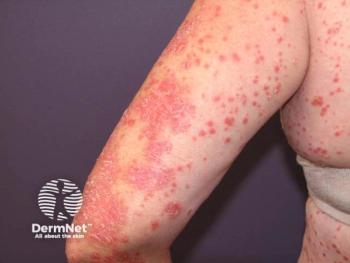
Skin adverse events linked to immunotherapy may correlate with improved tumor response and survival, underlining their clinical significance.
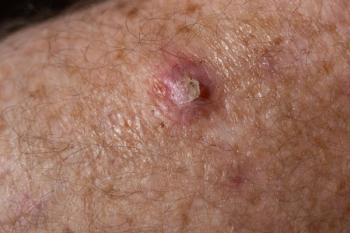
CLEAR CSCC is evaluating whether low-dose intralesional cemiplimab is noninferior to primary surgery, potentially offering a tissue-sparing alternative to standard surgical management.
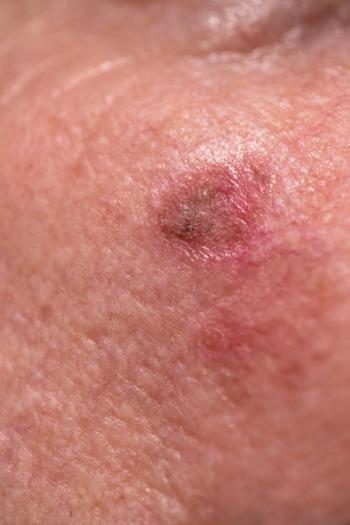
Brian Berman, MD, PhD, explains actinic keratosis-to-SCC risk and newer PDT/field therapies that improve clearance with less pain.
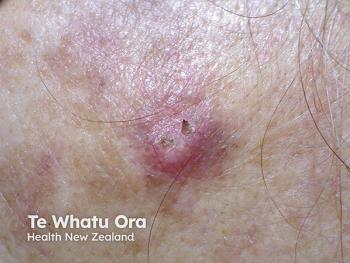
A Winter Clinical Miami poster highlights intralesional cemiplimab for early CSCC, showing rapid responses and positive safety versus surgery.

A JAMA Dermatology study found that US veterans with documented Agent Orange exposure had approximately 30% higher odds of developing acral melanoma compared with unexposed veterans.
At the 2026 South Beach Symposium, Joel Claveau, MD, emphasized that accurate early diagnosis and proper staging are the cornerstones of effective melanoma management.
Todd Schlesinger, MD, highlights data supporting red light–activated PDT with 10% ALA gel for superficial basal cell carcinoma, discussing structured treatment protocols and manageable tolerability.
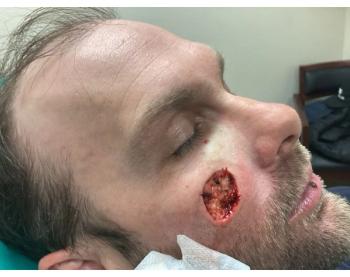
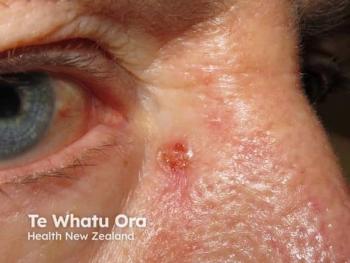
The FDA has accepted Biofrontera’s supplemental new drug application seeking approval of Ameluz photodynamic therapy for superficial basal cell carcinoma (sBCC), with a decision expected by September 28, 2026.
Todd Schlesinger, MD, reviews emerging randomized trial data supporting red light–activated photodynamic therapy with 10% aminolevulinic acid gel and outlines key considerations for patient selection in superficial basal cell carcinoma (sBCC).
Todd Schlesinger, MD, discusses emerging evidence, clearance outcomes, and practical considerations for using red light–based photodynamic therapy as a nonsurgical option in select superficial basal cell carcinoma (BCC) cases.
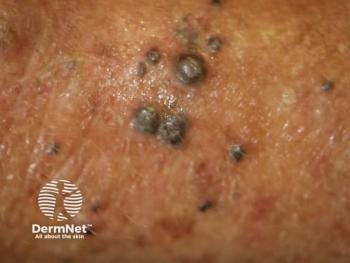
Aminex Therapeutics has initiated a trial evaluating AMXT 1501 and DFMO, with implications for dermatologists managing advanced melanoma.
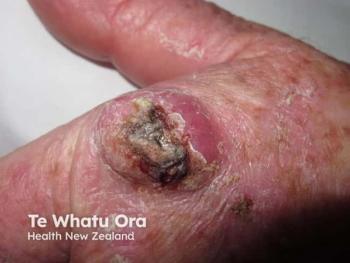
Sun Pharma has launched cosibelimab-ipdl for advanced cutaneous squamous cell carcinoma, offering new hope for patients with limited treatment options.
Alpha Tau Medical advances Alpha DaRT for recurrent cutaneous squamous cell carcinoma (cSCC), offering a novel, localized treatment option with minimal toxicity.
New research confirms how skin tension line-oriented grafting enhances cosmetic outcomes in basal cell carcinoma surgery, improving aesthetics without compromising quality of life.
Research reveals that structural changes in neoantigens enhance tumor rejection, offering new insights for personalized cancer immunotherapies.
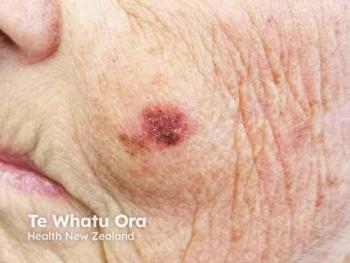
Elderly populations are facing rising cutaneous malignant melanoma incidence and mortality, highlighting urgent needs for targeted prevention and early detection strategies in skin cancer care.

New research reveals that combining DecisionDx-UM and PRAME significantly enhances survival predictions for uveal melanoma.
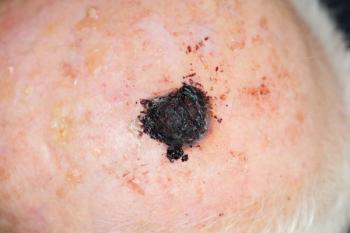
An expert panel endorses Castle Biosciences’ 31-GEP test, enhancing melanoma management through personalized risk assessment and improved prognostic accuracy.
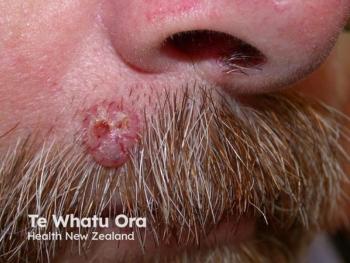
Topline results are expected in the first quarter of 2026.
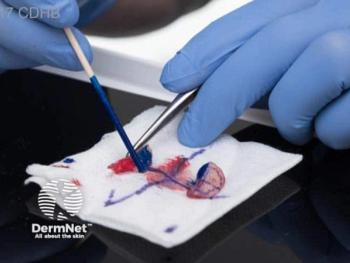
Former US President Joseph R. Biden's Mohs surgery highlights the need for equitable access to this effective skin cancer treatment, emphasizing its benefits and ongoing disparities.
Advertisement
Advertisement
Trending on Dermatology Times
1
Social Media Mythbusters: Can Castor Oil Really Grow Hair?
2
EADV 2026 Atopic Dermatitis Highlights: Tilrekimig, RAC2 Inhibition, and Level Up Data
3
FDA Approves Pritelivir for Refractory Mucocutaneous HSV in Immunocompromised Adults
4
GLP-1 Agonists Address Metabolic Risk in Psoriatic Disease
5