






Skin Cancer
Latest News
Advertisement
Latest Videos







CME Content




Advertisement
More News

AI Medical Technology launches Dermalyser, an AI tool for melanoma diagnosis, enhancing detection accuracy and skin cancer care in Europe.

As melanoma rates rise, Victor Gall, MD, emphasizes proactive care, early detection, and innovative treatments to improve patient outcomes and survival rates.

A melanoma survivor shares her journey, emphasizing the importance of early detection and regular skin exams for skin cancer awareness.

New research explores how microgravity and cosmic radiation influence cancer cell behavior, immune responses, and potential advancements in oncology treatments.

A melanoma survivor shares her journey, emphasizing the importance of sun safety and regular skin exams to prevent skin cancer.

The Skin Cancer Foundation's gala raises over $800,000, featuring Christie Brinkley and highlighting vital skin cancer awareness initiatives and personal stories.

Integrating molecular testing into melanoma and SCC management enhances risk assessment and personalizes treatment, revolutionizing patient care in dermatology.

Sun safety awareness grows with Laura Scott, MD, FAAD, and Sun Bum's "Trust the Bum Tour," offering free SPF products and education to diverse communities nationwide.

In honor of Melanoma Awareness Month, Glowbar CEO Rachel Liverman spoke to Dermatology Times about this new collaboration, which aims to increase patients' daily sunscreen use by 2026.

Explore the urgent need for improved skin cancer awareness and care for minority populations, addressing disparities in diagnosis and treatment.

This Melanoma Monday, we take a look at melanoma care in the US, from treatments to persistent gaps in access, early detection, and long-term outcomes.
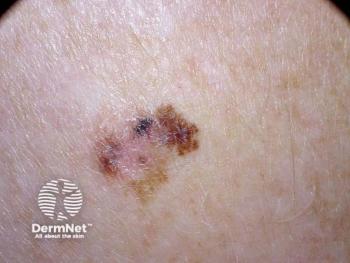
Patients with mucous membrane pemphigoid face increased skin cancer risks, particularly squamous cell carcinoma, highlighting the need for vigilant screening.
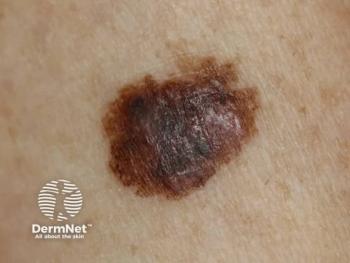
Stage IV melanoma survivors face persistent adverse effects and distress, highlighting the need for targeted psychological support and care.

New findings reveal DecisionDx-Melanoma more accurately identifies patients with under 5% risk of SLN positivity, supporting safer avoidance of SLNB surgery.

The Photobiology Committee also issues a public safety warning regarding sun protection misinformation amid growing rates of skin cancer in the U.S.
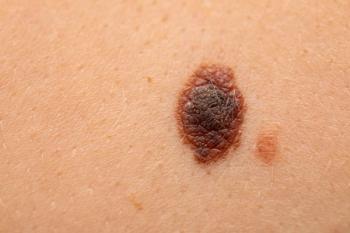
New research reveals that early discontinuation of adjuvant immunotherapy for melanoma does not lead to worse outcomes.
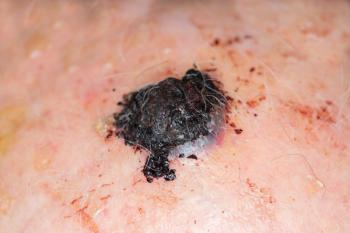
New prospective data from the DECIDE study reinforce the role of the 31-GEP test in clinical decision-making.
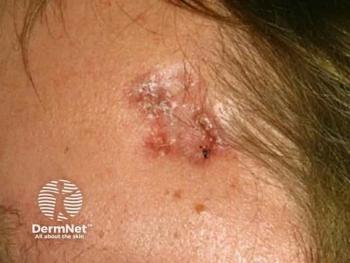
High response rates and no systemic toxicity in multiple nonmelanoma skin tumors were observed in this vulnerable patient population.

Researchers reported the case of a 28-year-old woman with epidermodysplasia verruciformis who developed SCC on a sun-protected scalp.

Two-sample Mendelian randomization analysis explored lifestyle factors such as sleep, smoking, alcohol consumption, and sedentary behavior.
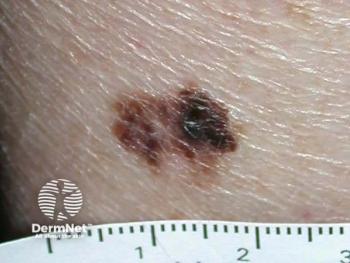
Nearly half of patients with melanoma experience significant distress, affecting treatment adherence and quality of life.
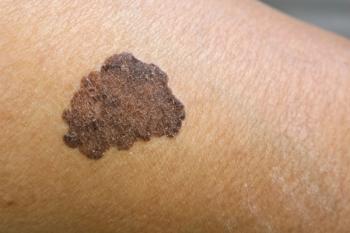
A study shows active educational interventions improve melanoma detection rates and rule application, with lasting effects over time.
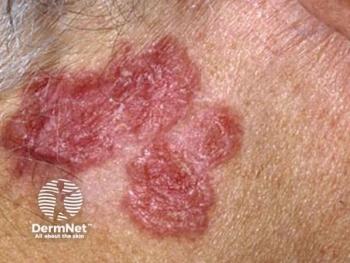
Estrogen therapy and certain diuretics may increase skin cancer risk, highlighting the need for careful patient counseling and sun exposure management.

John Strasswimmer, MD, PhD, spoke on the difficulty of managing adverse effects, the role of interdisciplinary clinical relationships, and the challenges in complex and older patients.

A 30-year-old patient with dermatofibrosarcoma protuberans faced a recurrence after initial surgery. Mohs micrographic surgery was used for precise excision, reducing recurrence risk and improving outcomes.
Advertisement
Advertisement
Trending on Dermatology Times
1
Social Media Mythbusters: Can Castor Oil Really Grow Hair?
2
EADV 2026 Atopic Dermatitis Highlights: Tilrekimig, RAC2 Inhibition, and Level Up Data
3
FDA Approves Pritelivir for Refractory Mucocutaneous HSV in Immunocompromised Adults
4
GLP-1 Agonists Address Metabolic Risk in Psoriatic Disease
5