Faculty from the Cutaneous Oncology Workshop answer practical questions spanning skin cancer prevention, diagnosis, treatment, and follow-up.
Discover essential sun protection strategies from Dr. Susan Taylor, focusing on the impacts of UV, visible light, and personalized sunscreen choices.
In a recent Dermatology Times DermView custom video series,
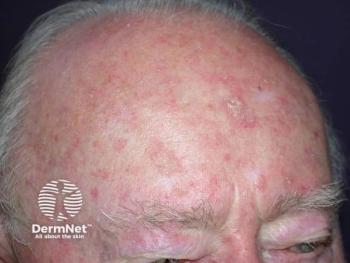
Taylor began by distinguishing the 3 main types of solar radiation that reach Earth: UV radiation, visible light, and infrared radiation. These different types of radiation vary in wavelength and how deeply they penetrate the skin. She emphasized that each type of radiation affects skin health in unique ways. Although UV radiation is well known for its role in causing skin cancer, sunburns, and premature aging, visible light and infrared radiation also contribute significantly to chronic skin changes such as hyperpigmentation and skin aging.
One of the key points discussed was the impact of visible light, particularly blue light, on skin health. Taylor explained that visible light, especially blue light, can cause long-lasting hyperpigmentation, particularly in individuals with darker skin tones. This pigmentation is often more pronounced in patients with conditions like melasma or postinflammatory hyperpigmentation.
Although UV radiation causes direct damage to skin cells, visible light primarily leads to pigmentation changes. This is particularly significant because many patients are unaware of the effects visible light can have, especially when exposed to it for extended periods. Patients with darker skin types are especially vulnerable to this type of pigmentation, and Taylor emphasized the need for protective measures against visible light in these groups.
Traditional sunscreens, which include physical/mineral sunscreens containing ingredients like zinc oxide and titanium dioxide and chemical sunscreens such as oxybenzone and avobenzone, are highly effective at protecting against UV radiation. However, she reminded clinicians that these conventional sunscreens do not offer protection from visible light.
Taylor noted that although physical sunscreens block both UV-A and UV-B rays, they do not guard against visible light or the reactive oxygen species (ROS) that are generated by visible light exposure. ROS can lead to further skin damage and hyperpigmentation.
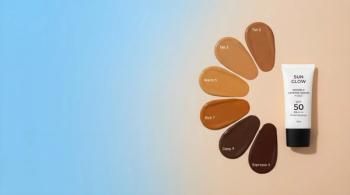
To provide comprehensive protection, Taylor recommended using tinted sunscreens containing iron oxide. Iron oxide has been shown to be effective at protecting the skin from the blue light spectrum, especially at a 3% concentration. These sunscreens protect the skin and help camouflage certain skin conditions like melasma or postinflammatory hyperpigmentation.
Another important strategy for combating the harmful effects of visible light and UV radiation is utilizing the synergistic benefits of broad-spectrum sunscreens enriched with antioxidants, Taylor explained. Ingredients like vitamins C and E, licorice extract (licochalcone A), and others have been shown to help neutralize ROS and protect the skin from oxidative damage.
“I believe strongly in personalized photoprotection, so my recommendation regarding photoprotection and sunscreen really is directly related to my patient’s skin type,” Taylor said.
For example, those patients with Fitzpatrick types I and II should use a broad-spectrum sunscreen with a higher sun protection factor to protect against UV radiation. In contrast, for individuals with Fitzpatrick types III through VI, Taylor said it is critical to protect against UV radiation and focus on preventing damage from visible light, which can exacerbate hyperpigmentation. Additionally, Taylor stressed that personalized photoprotection should also account for a patient’s environment—those with high sun exposure need more robust protection than those living in colder climates with minimal sun exposure.
Beyond helping patients to choose the most appropriate sunscreen, Taylor also discussed the importance of proper sunscreen application and adherence. Patients need to be reminded to apply sunscreen 20 to 30 minutes before going outdoors and use about the amount that would fill a shot glass to cover all exposed skin. Reapplication is critical, especially every 2 hours or more frequently if swimming or sweating. Taylor noted that the most significant barrier to sunscreen use is often patient dissatisfaction with the sunscreen’s aesthetics. Many patients dislike the white, pasty appearance that physical sunscreens can leave on the skin.
“It’s very important to find out your patient’s goals and what aesthetics they like,” Taylor said. “Remember, we have many different sunscreen formulations, so you want to query your patient very carefully to see what formulation is going to be best for him or her.”
She noted that modern formulations now include nanoparticles, which improve the sunscreen’s cosmetic appearance without compromising protection. However, it’s important to note that certain products, like those with nanoparticles of titanium dioxide, may offer more protection against UV-B but less against UV-A. Taylor concluded by underscoring the importance of educating patients about the risks posed by visible light and the need for comprehensive sun protection.
about 1 year ago
Dermatology Times June 2025 Print Recapabout 1 year ago
Nail Trends That Challenge Clinical Diagnosisover 1 year ago
Inside IL-17 Inhibitors Advancing Psoriasis Careover 1 year ago
Diagnosing and Managing GPP: Top Insights From the Expertsover 1 year ago
Examining the Halfway Mark of 2025 in Dermatology