


Skin Cancer
Latest News
Advertisement
Latest Videos


CME Content


Advertisement
More News

The Harris brothers serve 2 predominantly elderly populations and appreciate the opportunity to provide solutions for the growing complexity of skin cancer issues as patients live longer.
Click here to read more and answer our quiz questions in recognition of Skin Cancer Awareness Month and Melanoma Monday.

Robert Den, MD, and Alpha Tau are seeking motivated investigators who may be interested in participating in the trial.
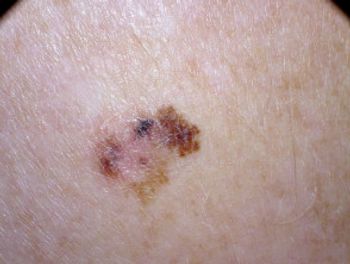
This recap of skin cancer innovations accompanies the cover story of our May publication.

Study findings suggest OCT's effectiveness in accurately diagnosing and mapping BCC, with a high predictive capability for Mohs surgery requirements.

Desai emphasized that most dermatologists would rather biopsy a potential melanoma than miss one that could become deadly.
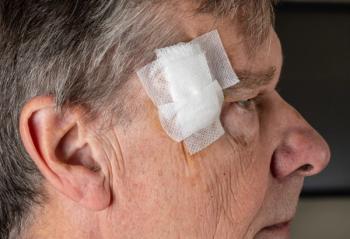
A review found that Mohs micrographic surgery and conventional excision yielded comparable patient reported outcomes.

Hasbargen presented Mohs surgery pearls on closure types and pattern recognition at the 2024 Diversity in Dermatology meeting.
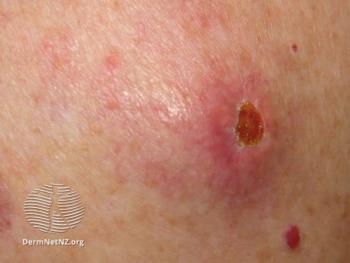
Nivolumab plus talazoparib did not produce RECIST-based tumor responses in heavily pretreated patients with unresectable or metastatic melanoma.
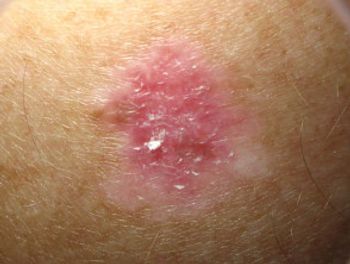
Diagnostic accuracy of lesions was enhanced with combined dermoscopy and reflectance confocal microscopy, according to one study.

According to 2 studies, this model has demonstrated the potential to assist in developing treatment and monitoring plans for early-stage melanomas.
Influencers promote the use of tanning beds and list the “benefits,” such as obtaining vitamin D and helping with seasonal affective disorder, among other reasons that have no merit.

An XAI AI model using 2D facial images accurately predicted skin cancer better than traditional factors, according to a study advocating for AI-driven screening.
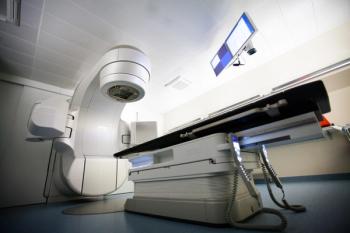
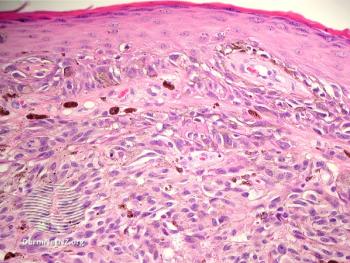
China’s NMPA has approved tunlametinib for the treatment of patients with NRAS-mutated advanced melanoma after prior anti–PD-1/PD-L1 therapy.

Two posters at the AAD Annual Meeting examined disparities in skin cancer survival between urban and rural areas and assessed how having skin of color affects this.

We take a look at various studies examining the role of artificial intelligence in telemedicine photo quality, the impact of the COVID-19 pandemic and skin cancer diagnoses, and more.
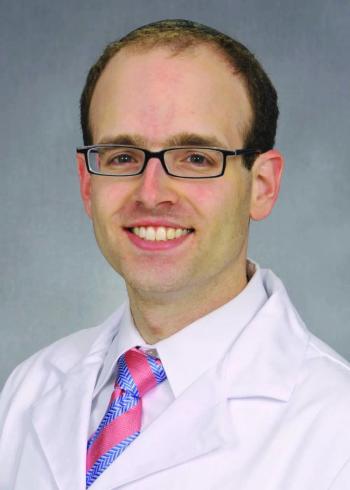
Den, the chief medical officer of Alpha Tau, discusses the alpha particle-emitting atom treatment and its ability to target cancer cells without harming healthy tissue.

From our March cover feature: Vulnerable populations such as the prison population should have access to Mohs surgery to prevent the increased risk of morbidity and mortality from skin cancer.

Rebecca Hartman, MD, MPH, FAAD, and Christine Kannler, MD, FAAD, took a deep dive into considerations and pearls to treat patients who have been exposed to extreme heat and chemicals in the line of duty.

In most kidney transplant recipients with advanced skin cancer, 2 checkpoint inhibitors are needed to boost the immune system, according to a new study.

Researchers sought to expand knowledge of the role of cannabis and its molecular mechanisms in anticancer effects.
Lifileucel is a tumor-derived autologous T cell immunotherapy.

The 2-GEP test is made of 2 biomarkers, LINC00518 and PRAME.

The test may help patients with melanoma safely avoid a sentinel lymph node biopsy.
Advertisement
Advertisement
Trending on Dermatology Times
1
Social Media Mythbusters: Can Castor Oil Really Grow Hair?
2
EADV 2026 Atopic Dermatitis Highlights: Tilrekimig, RAC2 Inhibition, and Level Up Data
3
FDA Approves Pritelivir for Refractory Mucocutaneous HSV in Immunocompromised Adults
4
GLP-1 Agonists Address Metabolic Risk in Psoriatic Disease
5