




Skin Cancer
Latest News

Advertisement
Latest Videos




CME Content



Advertisement
More News

Peter Prieto, MD, MPH, shares details of the IOV-COM-202 trial.

The most significant independent predictors of adherence to dermatology follow-up appointments were younger age and previous outpatient visits.

During the 2024 American Society of Clinical Oncology annual meeting, a poster highlighted the advantages Medicaid expansion could offer to individuals with melanoma.

Patricia Richey, MD, delves into efficacy of the 1927 and 1550 nanometer lasers to prevent skin cancers.

Cutaneous and advanced stage melanomas present significant challenges during pregnancy, according to the posters.
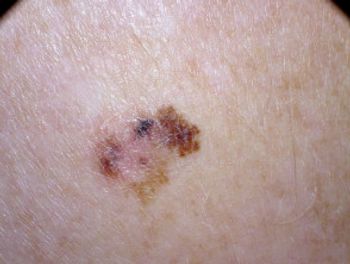
To address the increased rates of skin cancer while keeping unique patient needs top of mind, there is a pressing need to increase options for treatment.

What's the preferred sunscreen and why? Renata Block, MMS, PA-C, talks to the attendees of the 2024 SDPA Annual Summer Dermatology Conference.

Zabinski, vice president and head of commercial strategy and AI at OM1, discusses the evolving role of AI in dermatology, focusing on its potential and challenges in skin cancer detection.

Phase 3 trials have been initiated in patients with high-risk melanoma.

Earlier this week, we shared our fourth and final Skin Cancer Awareness Month quiz. Review the answers and your responses below.
Click here to read more and answer our quiz questions in recognition of Skin Cancer Awareness Month.

Earlier this week, we shared our third Skin Cancer Awareness Month quiz. Review the answers and your responses below.

The new action date is December 29, 2024.

While MMS is recognized as the gold standard for skin cancer treatment, numerous challenges still hinder widespread adoption and practice.

Andrew Baker, MBA, MPAS, PA-C, discusses his role in skin cancer detection and advice for PAs interested in skin surgeries and Mohs closures.

In recognition of Skin Cancer Awareness Month, Dermatology Times is reviewing research and strides in skin cancer treatment over the last decade.
Click here to read more and answer our quiz questions in recognition of Skin Cancer Awareness Month.

Earlier this week, we shared our second Skin Cancer Awareness Month quiz. Review the answers and your responses below.

Researchers say addressing socioeconomic differences may be the key to addressing this disparity.

The analysis revealed a higher rate of discontinuations due to immune-mediated adverse experiences.

Muscle spasms are the most common adverse event experienced by patients treated with hedgehog inhibitors for basal cell carcinomas.

This Skin Cancer Awareness Month, take a look at previous coverage from 2024.
Click here to read more and answer our quiz questions in recognition of Skin Cancer Awareness Month.

Earlier this week, we shared our first Skin Cancer Awareness Month quiz. Review the answers and your responses below.

Factors such as ultraviolet radiation, rising temperature, and air pollution may all play a role in the increasing incidence of skin cancers.
Advertisement
Advertisement
Trending on Dermatology Times
1
Social Media Mythbusters: Can Castor Oil Really Grow Hair?
2
EADV 2026 Atopic Dermatitis Highlights: Tilrekimig, RAC2 Inhibition, and Level Up Data
3
FDA Approves Pritelivir for Refractory Mucocutaneous HSV in Immunocompromised Adults
4
GLP-1 Agonists Address Metabolic Risk in Psoriatic Disease
5