Prospective data suggest DecisionDx-Melanoma may help refine SLNB decisions and identify recurrence risk beyond conventional staging.
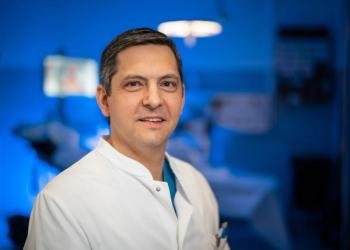
Elena Hawryluk, MD, PhD, shares groundbreaking insights on pediatric dermatology and melanoma management at Maui Derm NP+PA, emphasizing innovative treatments.
On the last day of the
Kicking off the session, Hawryluk highlighted updates from the Children’s Oncology Group, emphasizing the newly released guidelines on pediatric cutaneous melanoma, atypical Spitz tumors, and non-Spitz melanocytomas. Through a case-based approach, she and her colleagues examined how these guidelines inform practical decision-making—from diagnostic workups and histologic testing to surgical considerations such as margins and sentinel lymph node biopsy.
Hawryluk was joined by 2 expert colleagues: Vinny Seiverling, MD, of the University of Pittsburgh, who shared her expertise on dysplastic nevi and led a dermoscopy workshop, and Sameer Gupta, MD, a Mohs surgeon from Mass Eye and Ear in Boston, who discussed both surgical and non-surgical approaches to lentigo maligna and melanoma in situ.
A standout moment in Hawryluk’s talk was her review of recent advances in melanoma oncology. She shared an enthusiastic overview of developments that are transforming treatment for patients with stage III and IV disease, including adjuvant and neoadjuvant immunotherapy, combination checkpoint inhibition strategies (anti-LAG-3 and PD-1), adoptive cell therapy using tumor-infiltrating lymphocytes (TILs), and the emerging role of personalized immunotherapy and mRNA vaccines.
In this interview with Dermatology Times, Hawryluk reflected on the deep personal and professional rewards of working in pediatric dermatology. She emphasized the meaningful joy of helping young patients and their families and expressed a strong commitment to advancing the specialty through innovation, research, and collaborative care.
“I'm continually inspired by how the field of pediatric dermatology is evolving,” Hawryluk said. “I'm so passionate about continuing to grow and contribute in this specialty and help shape a future where pediatric patients receive even more specialized and compassionate care.”
Click here for more
Reference
1. Gupta S, Hawryluk E, Seiverling E. Pigmented Lesion Clinic – Part 1 and 2. Presented at: Maui Derm NP+PA Fall 2025; September 20-23, 2025; Nashville, Tennessee.