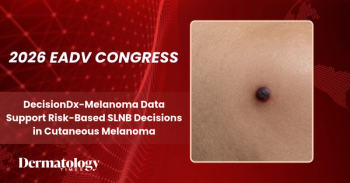
Prospective data suggest DecisionDx-Melanoma may help refine SLNB decisions and identify recurrence risk beyond conventional staging.
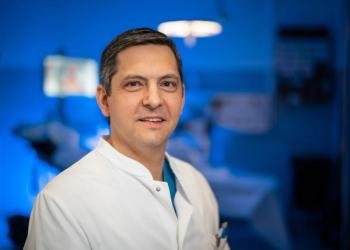
At the 2026 South Beach Symposium, Joel Claveau, MD, emphasized that accurate early diagnosis and proper staging are the cornerstones of effective melanoma management.
At the 2026
Claveau, whose clinical focus includes melanoma diagnosis and dermoscopy, underscored the central role dermatologists play at the very start of the care pathway. Early detection through dermoscopy remains one of the most powerful tools available in everyday practice. Identifying suspicious lesions at an earlier stage not only improves prognosis but also broadens therapeutic options.
However, detection is only the first step. Claveau stressed that biopsy technique matters. When feasible, complete excisional biopsy of a suspected melanoma allows for the most accurate histopathologic assessment. Close collaboration with dermatopathologists—or pathologists experienced in melanoma—is critical. Key elements of the pathology report, including Breslow thickness and ulceration status, remain foundational. He also highlighted a commonly overlooked feature: microsatellites. Their presence at initial diagnosis can upstage disease and significantly alter management decisions.
Accurate staging, in turn, drives downstream care. Decisions regarding wide local excision margins, sentinel lymph node biopsy, and referral patterns all depend on a clear understanding of tumor depth, ulceration, and nodal involvement. For dermatologists, this means integrating clinical findings with pathology details early in the process.
The therapeutic landscape has evolved substantially over the past decade. Treatments once reserved for metastatic disease are now firmly established in the adjuvant setting. Patients with nodal involvement—whether clinically detected or identified via a positive sentinel lymph node—as well as those with thick and/or ulcerated primary tumors may be candidates for adjuvant systemic therapy. Claveau encouraged dermatologists to begin setting expectations early, particularly for patients with melanomas greater than 2 mm with ulceration or greater than 4 mm in thickness, who are likely to be referred to medical oncology following surgery.
He also addressed a more recent shift in care: the growing adoption of neoadjuvant immunotherapy for patients with clinically detectable nodal disease. In cases where lymph nodes are palpable and biopsy confirms metastasis, referral to medical oncology prior to surgery is increasingly considered standard practice across North America. Administering immunotherapy before surgical resection may improve pathologic response and help guide subsequent management.
Overall, Claveau’s message was clear: melanoma care is rapidly evolving, and dermatologists remain key players in a multidisciplinary model. From dermoscopic detection to biopsy technique, staging accuracy, and timely referral, early decisions in the dermatology clinic continue to shape the entire treatment course.
Reference
Claveau J. Melanoma. Presented at: South Beach Symposium 2026; February 5-7, 2026; Miami Beach, FL.