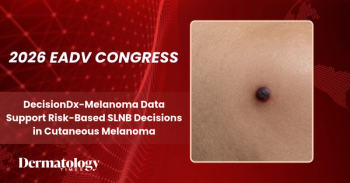
Prospective data suggest DecisionDx-Melanoma may help refine SLNB decisions and identify recurrence risk beyond conventional staging.
Melanoma cases keep rising, but AI-aided screening, gene profiling, and newer immunotherapies boost early diagnosis and long-term survival, according to Darrell Rigel, MD, MS.
At this year’s
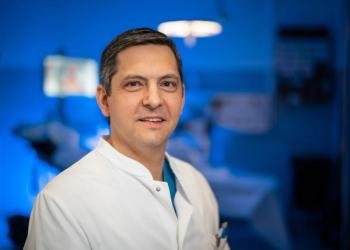
Rigel, clinical professor at New York University, adjunct clinical professor at UT Southwestern, and consultant dermatologist at Cooper Clinic in Dallas, distinguished between factors influencing melanoma incidence and mortality. While prevention strategies like sun protection play a critical role in reducing incidence, early detection remains the most impactful factor in lowering mortality. New data demonstrates that increased dermatologist density correlates with reduced melanoma mortality, supporting the critical role of dermatologic screening and timely diagnosis. At the same time, rising incidence is not solely attributable to increased screening, as epidemiologic trends show a consistent upward trajectory without the temporary spikes seen in other screened cancers.
“The good news is the survival rates are also going up from melanoma, and that's because we do have some treatments now available for advanced melanoma,” he told Dermatology Times.
Advances in diagnostic approaches were a central focus of Rigel’s talk. Building on the longstanding ABCD criteria developed at NYU, he highlighted the expanding role of emerging technologies, particularly artificial intelligence (AI). Current evidence presented by Rigel suggests that the combination of dermatologist expertise and AI support yields the highest diagnostic performance.
“What makes AI different? AI can perceive variables that are inconceivable to us as humans, and therefore, it can really go further in terms of the diagnosis,” he said.
He also emphasized the growing clinical utility of gene expression profiling, which is increasingly used in invasive melanoma to refine prognostic assessment and guide management decisions, including the selection of patients for sentinel lymph node biopsy. This tool is becoming more integrated into routine practice, reflecting a shift toward more personalized care.
From a management perspective, evolving questions still remain regarding optimal surgical margins for melanoma in situ, as well as the expanding role of systemic therapies. Long-term data on immunotherapy demonstrate substantial survival gains, with some patients achieving durable responses beyond a decade.
“In those who made it to 3 years, almost everybody made it out to 10 years,” Rigel noted. “So it's not a cure, but we're getting closer to one. I'll put it that way.”
Additionally, neoadjuvant and combination treatment strategies are reshaping care for advanced disease. Rigel concluded by advocating for a renewed national consensus effort to address ongoing controversies and integrate emerging innovations, with the ultimate goal of improving outcomes for patients with melanoma.
Reference
1. Rigel, D. Hot Topics: Melanoma Update 2026. Presented at the 2026 AAD Annual Meeting; March 26-31; Denver, Colorado.