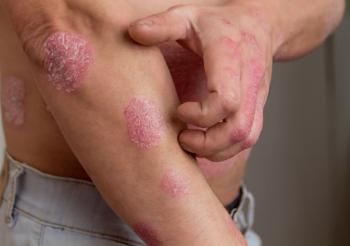
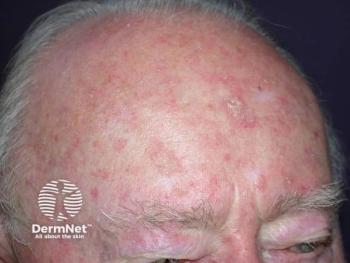
According to the AIM at Melanoma Foundation, an estimated 212,200 cases of melanoma will be diagnosed in the US in 2025, with 104,960 of these being invasive.1 In comparison, approximately 5.4 million non-melanoma skin cancers (basal cell carcinoma and squamous cell carcinoma) are diagnosed annually in the US.2 Although less common, melanoma carries a disproportionately high risk of death, with researchers projecting 96,000 deaths worldwide by 2040.3-4
Despite the critical importance of early detection, access to timely dermatologic care remains limited. Long wait times, regional disparities, and low screening uptake—studies show that only 24 % of high-risk individuals receive a total body skin examination, with as few as 11 % screened annually—place primary care physicians (PCPs), alongside dermatologists, at the frontlines of identifying suspicious lesions.5 Because early identification is critically linked to survival, the ability of PCPs to accurately recognize suspicious lesions is increasingly crucial to reducing morbidity and mortality from melanoma and other skin cancers.
"Detecting skin cancer early is crucial, as it can be treated successfully when found early," said Nathalie Zeitouni, MD, in a previous statement to Dermatology Times regarding earlier DermaSensor studies she co-authored. "In many parts of the country, a lack of access to dermatologists means that primary care physicians are often the first line of defense in evaluating skin cancers."
Despite this, detection of malignant lesions remains challenging at the primary care level. Visual inspection using the “ABCDE” mnemonic (asymmetry, border irregularity, color, diameter, evolution) has variable performance, particularly for non-melanoma variants.6 PCPs often lack dermatoscopic training, contributing to lower diagnostic sensitivity compared to dermatology clinicians. Adjunctive non-invasive technologies, including algorithmic imaging, electrical impedance spectroscopy, optical coherence tomography, and dermoscopy augmented by artificial intelligence (AI), have shown promise, but limitations in cost, clinical applicability, or scope have restricted widespread adoption.7
Key Takeaways
- Estimated 212,200 melanoma cases in the US in 2025; 104,960 invasive.
- Non-melanoma skin cancers are far more common (~5.4 million cases annually), but melanoma carries higher mortality risk (projected 96,000 deaths worldwide by 2040).
Importance of Early Detection
- Early detection drastically improves survival: thin melanomas (≤1 mm) have >97% 5-year survival; advanced lesions (stage III) have 36–63%.
- Lesions identified during screening are thinner and linked to lower melanoma-specific mortality.
- Limited access to dermatologists, long wait times, and low screening uptake (only 24% of high-risk patients get full-body exams; 11% screened annually).
- PCPs are frontline detectors but face sensitivity challenges (~40% for visual exams).
- Dermoscopy training improves detection but is not widely adopted; only 13% of PCP-initiated referrals in the UK confirmed cancer.
AI-Powered DermaSensor Device
- Uses elastic scattering spectroscopy (ESS) and AI to classify lesions as “Investigate Further” or “Monitor.”
- 100% sensitivity (high false positives) or 86.4% sensitivity with 67.2% specificity at optimized thresholds.
- AUC of 0.79, consistent with FDA pivotal trial results.
- PCP performance improved: melanoma detection increased from 70.2% → 79.1%; missed melanomas reduced from 29.8% → 20.9%.
- High physician endorsement: >91% felt it added clinical value.
- AI devices enhance PCP diagnostic accuracy and confidence.
- Facilitate timely referrals and early interventions, especially in areas with limited dermatology access.
- Potential to reduce melanoma-related morbidity and mortality
AI-Powered Device’s Clinical Impact
The handheld DermaSensor device uses elastic scattering spectroscopy (ESS) to capture subcellular tissue architecture in vivo and employs an AI algorithm to classify lesions as “Investigate Further” or “Monitor.” Recently, DermaSensor announced newly published studies detailing DermaSensor’s clinical ability to detect suspicious lesions.8
The Journal of the American Academy of Dermatology International study was conducted at UPMC and was the first investigator-initiated study conducted with DermaSensor in the US. The independent, prospective study evaluated concerning lesions among 150 patients.9
When evaluated using “Investigate Further” versus “Monitor” as the diagnostic cut point, the DermaSensor demonstrated a sensitivity of 100% and specificity of 9.4%, effectively identifying all melanomas but generating a high false-positive rate. When the threshold was adjusted to define scores of 7 to 10 as positive and 0 to 6 as negative, sensitivity decreased to 86.4% while specificity improved to 67.2%, offering a more balanced diagnostic profile.9
Notably, 59.5% of the false-positive lesions flagged for further investigation were still considered high-risk and were actively managed or treated by study dermatologists, indicating that many of these findings had clinical relevance. Overall diagnostic accuracy, reflected by an area under the curve (AUC) of 0.79, was consistent with results from the FDA pivotal trial involving more than 1000 patients across 22 primary care centers, emphasizing the device’s reproducibility and reliability in melanoma detection.9
Secondly, the DERM-ASSESS III melanoma clinical utility study, published in the Journal of Clinical and Aesthetic Dermatology, included 118 PCPs who completed assessments of over 10,000 lesion cases.10
In the study, physicians’ AUC performance improved significantly with the use of the DermaSensor device, with the AUC increasing from 0.630 to 0.671 (p = 0.036). Melanoma detection rates rose from 70.2% to 79.1%, reducing the rate of missed melanomas from 29.8% to 20.9%. Among participating clinicians, 91.5% agreed that the device added value to their clinical care, 75% believed it would help detect more skin cancers, and 71% reported increased confidence in evaluating skin lesions.10
"Artificial intelligence is here. It's not dangerous, and for the most part, we're going to be able to use it for great things. DermaSensor primarily focuses on primary care and the community. These devices utilize machine learning and artificial intelligence to help guide clinicians in determining what lesions are higher risk and absolutely deserve a biopsy, and other ones we can just monitor," said Aaron Farberg, MD, in a previous interview with Dermatology Times.
Value of Early Melanoma Detection
Early melanoma detection has been consistently associated with improved prognosis. Lesions identified during routine skin exams are thinner and have superior survival outcomes: in one Australian cohort, melanomas detected by screening had a hazard ratio for melanoma-specific mortality of 0.41 compared with patient-detected lesions.11 Thin melanomas (≤ 1 mm) consistently demonstrate 5-year survival rates exceeding 97 %, whereas advanced lesions (stage III) carry survival rates of 36% to 63 %, with most studies reporting a rate over 50%.12-13
Despite the importance of this early detection, PCPs continue to face hurdles. Visual examination alone demonstrates sensitivity of approximately 40.2 % and specificity of approximately 86.1 % for melanoma detection by PCPs specifically.11 Meta-analyses show dermoscopy training improves sensitivity without reducing specificity, yet in the UK, only 13 % of PCP-initiated referrals yielded confirmed cancer.15 These data highlight an urgent need for adjunctive tools to support earlier, more accurate detection.
Primary Care Challenges and Timing
PCPs serve as frontline evaluators, yet only 27% to 32% routinely counsel patients on skin cancer.16 Self-reported sensitivity for malignant lesion management ranges from 71% to 80 %.8 Earlier detection is critical: thin melanomas allow for less extensive surgery and reduced morbidity, whereas delayed identification increases risk of nodal involvement, metastasis, and poorer survival. Timely referrals and early identification are directly associated with improved clinical outcomes; routine skin checks correlate with lower all-cause mortality (HR 0.75).
Clinical Implications
The integration of an AI-powered ESS device in primary care could address key gaps in melanoma detection: improving sensitivity, increasing physician confidence, and enhancing appropriate referral decisions. By facilitating earlier detection, particularly in areas with limited dermatology access, this device may reduce morbidity and mortality associated with delayed diagnosis. Future studies should evaluate long-term outcomes across diverse populations and skin types to fully define the impact of this device on melanoma treatment and survival.
Looking Ahead
Melanoma continues to pose a serious public health challenge, highlighting just how critical early detection is for saving lives. Yet despite its prognostic importance, timely diagnosis continues to be impacted by gaps in access, training, and diagnostic precision at the primary care level. The emergence of AI-powered tools such as the DermaSensor device represents a pivotal advancement, bridging critical barriers by enhancing clinicians’ diagnostic accuracy and confidence in identifying suspicious lesions.
With demonstrated improvements in sensitivity, physician performance, and patient management, this technology has the potential to transform frontline skin cancer detection, especially in settings where dermatologic expertise is limited. As innovation continues to converge with clinical need, integrating such tools into routine primary care may mark a turning point in reducing melanoma-related morbidity and mortality, ensuring that more patients benefit from early, life-saving intervention.
References
- 2025 melanoma facts & statistics. AIM at Melanoma. Accessed November 5, 2025. https://www.aimatmelanoma.org/facts-statistics/
- Rogers HW, Weinstock MA, Feldman SR, Coldiron BM. Incidence estimate of nonmelanoma skin cancer (Keratinocyte Carcinomas) in the US population, 2012. JAMA Dermatol. 2015;151(10):1081-1086. doi:10.1001/jamadermatol.2015.1187
- Okobi OE, Abreo E, Sams NP, et al. Trends in melanoma incidence, prevalence, stage at diagnosis, and survival: an analysis of the United States Cancer Statistics (USCS) Database. Cureus. 2024:e70697. doi: 10.7759/cureus.70697
- Arnold M, Singh D, Laversanne M, et al. Global burden of cutaneous melanoma in 2020 and projections to 2040. JAMA Dermatol. 2022;158(5):495-503. doi:10.1001/jamadermatol.2022.0160
- Johnson MM, Leachman SA, Aspinwall LG, et al. Skin cancer screening: recommendations for data-driven screening guidelines and a review of the US Preventive Services Task Force controversy. Melanoma Manag. 2017;4(1):13-37. doi: 10.2217/mmt-2016-0022.
- Goldsmith SM. A unifying approach to the clinical diagnosis of melanoma including "D" for "Dark" in the ABCDE criteria. Dermatol Pract Concept. 2014;4(4):75-78. doi:10.5826/dpc.0404a16
- Najmi M, Brown AE, Harrington SR, Farris D, Sepulveda S, Nelson KC. A systematic review and synthesis of qualitative and quantitative studies evaluating provider, patient, and health care system-related barriers to diagnostic skin cancer examinations. Arch Dermatol Res. 2022;314(4):329-340. doi:10.1007/s00403-021-02224-z
- Two new studies show DermaSensor devices’ consistent performance and improvements to physicians’ melanoma detection. News release. DermaSensor. November 4, 2025. Accessed November 5, 2025. https://www.wjtv.com/business/press-releases/ein-presswire/864326047/two-new-studies-show-dermasensor-devices-consistent-performance-and-improvements-to-physicians-melanoma-detection/
- Jaklitsch E, Chang S, Bruno S, D'Angelo N, Tung JK, Ferris LK. Prospective evaluation of an AI-enabled elastic scattering spectroscopy device for triage of patient-identified skin lesions in dermatology clinics. JAAD Int. 2025; doi: 10.1016/j.jdin.2025.07.007
- Seiverling E, Shah A, Weinstock M, Grant-Kels J, Falk N, Siegel D. Enhancing diagnostic precision in primary care: a multireadermulticase (MRMC) study of an AI-powered handheld elastic scattering spectroscopy device for informed referral decisions in melanoma evaluation. J Clin Aesthet Dermatol. 2025; 18(10):59–65. https://jcadonline.com/enhancing-diagnostic-precision-melanoma-evaluation/
- Watts CG, McLoughlin K, Goumas C, et al. Association between melanoma detected during routine skin checks and mortality. JAMA Dermatol. 2021;157(12):1425-1436. doi:10.1001/jamadermatol.2021.3884.
- Isaksson K, Mikiver R, Eriksson H, et al. Survival in 31 670 patients with thin melanomas: a Swedish population-based study. Br J Dermatol. 2021;184(1):60-67. doi:10.1111/bjd.19015
- Miller R, Walker S, Shui I, Brandtmüller A, Cadwell K, Scherrer E. Epidemiology and survival outcomes in stages II and III cutaneous melanoma: a systematic review. Melanoma Manag. 2020;7(1):MMT39; doi:10.2217/mmt-2019-0022
- Wernli KJ, Henrikson NB, Morrison CC, Nguyen M, Pocobelli G, Blasi PR. Screening for skin cancer in adults: updated evidence report and systematic review for the US preventive services task force. JAMA. 2016;316(4):436-447. doi:10.1001/jama.2016.5415
- Shivakumar H, Chanda UL, Onwuchekwa O. Evaluating the diagnostic accuracy and challenges of the two-week wait referral pathway for skin cancers in primary care. Cureus. 2025;17(1):e77410; doi:10.7759/cureus.77410
- Ferris LK, Jaklitsch E, Seiverling EV, Agresta T, Cyr P, Caines L, Wang N, Siegel DM. DERM-SUCCESS FDA pivotal study: A multi-reader multi-case evaluation of primary care physicians' skin cancer detection using AI-enabled elastic scattering spectroscopy. J Prim Care Community Health. 2025; 21501319251342106. doi: 10.1177/21501319251342106.