

Elizabeth Buzney, MD, outlines the clinical hallmarks that separate erythropoietic protoporphyria from other photosensitivity disorders, starting with what clinicians won't see on exam.
Elizabeth Buzney, MD, outlines the clinical hallmarks that separate erythropoietic protoporphyria from other photosensitivity disorders, starting with what clinicians won't see on exam.
Matthew Zirwas, MD, rethinks AD as environmentally acquired barrier dysfunction, sharing psychodermatology itch strategies and highlighting patient-centered communication.
The SWF Clinical Care Network now includes 27 validated US sites assessed objectively for multidisciplinary capacity across dermatology, neurology, ophthalmology, mental health, and transitional care.
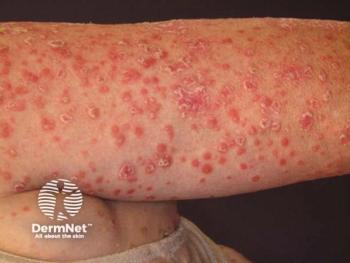
Oral therapies at AAD 2026 are closing the efficacy gap with biologics, with two TYK2 inhibitors and an oral IL-23 peptide each delivering clearance rates once thought possible only with injectables.
Albert Chiou, MD, MBA, discusses results from the phase 1 trial of soquelitinib for moderate to severe AD presented at SID 2026.

Kathleen Moe, MD, discusses why operational dysfunction, not medicine itself, is driving physician exhaustion in dermatology and beyond.

Rapid GLP-1 weight loss can age the face—a new paper reviews multimodal nonsurgical fixes with fillers, Botox, devices, and skin care for natural balance.
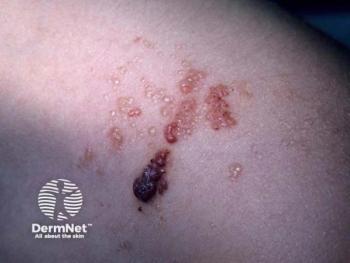
Phase 3 SELVA and phase 2 TOIVA data show Qtorin rapamycin met primary end points for microcystic lymphatic and cutaneous venous malformations.
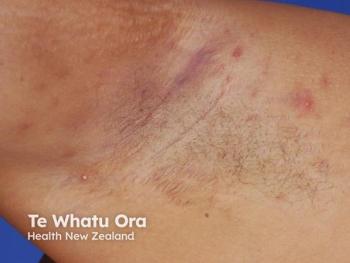
The growing success of IL-17–targeted therapies suggests that remission may become a realistic future goal for many patients living with hidradenitis suppurativa.
Epicutis’ Hydrobiome Serum targets post-procedure barrier repair, while CEO Max Stock explains physician-guided care and biotech’s microbiome future.
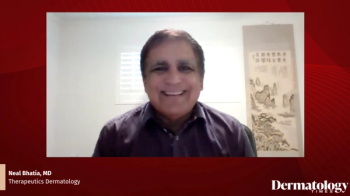
Neal Bhatia, MD, outlines the clinical rationale for incorporating photodynamic therapy into skin cancer treatment algorithms, from field cancerization management to emerging applications in superficial basal cell carcinoma.
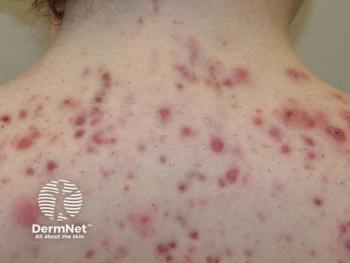
The findings suggest tetracycline activity may vary depending on drug concentration and local tissue exposure.

This review of the latest dermatological studies includes insights on familial HS comorbidities, localized HA acne patch therapy, profiles of dyshidrotic eczema patients, and more.

Mendelian randomization links specific T‑cell traits to vitiligo risk, spotlighting protective terminal CD4+ cells and harmful CD8+ memory targets.

Microbiome-first biotech in dermatology is shifting from harsh acne treatments to balance-focused solutions, using anti-inflammatory compounds that support healthier skin ecosystems.

Resource-poor environments exist not only globally but also in everyday settings like nursing homes, prisons, foster care, and low-income households.
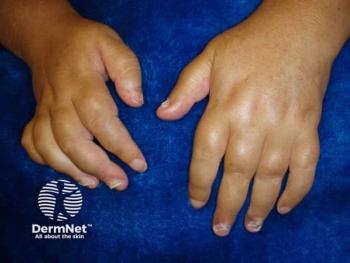
At EULAR 2026, investigators presented head-to-head data demonstrating significantly higher joint response rates with bimekizumab compared with risankizumab in PsA.

Real clinical case scenarios with progressive diagnostic clues challenge dermatology clinicians to think on their feet, sharpen their diagnostic reasoning, and apply practice-changing takeaways at the point of care.
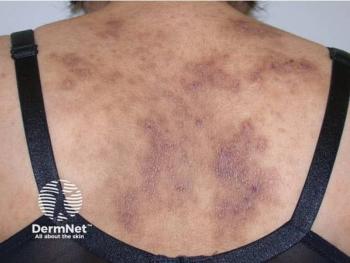
The patented filaggrin-targeting regimen claims up to 99% atopic dermatitis relief without steroids, boosting hydration and calming itch in adults.

The proposed rule, first introduced in 2015, aimed to prohibit indoor tanning for individuals under 18 because of the known cancer risks associated with UV radiation.
Maryanne Makredes Senna, MD, shares why mineral sunscreens matter for patients with frontal fibrosing alopecia, and why reprimanding sun-seekers may be more detrimental to patient care.
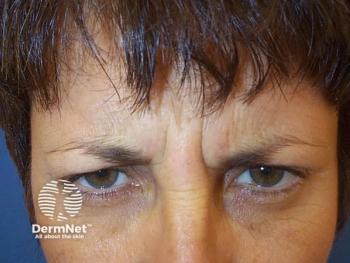
Data presented at SCALE 2026 showed that Ipsen’s investigational recombinant neuroinhibitor achieved significant and sustained improvement in moderate to severe glabellar lines.
Treatment discontinuations due to laboratory abnormalities were uncommon, occurring in 0.7% of patients at week 52 and remaining below 2% through week 140.

Researchers reported that patients with more extensive HS disease involvement experienced significantly greater financial strain.

Phages, or bacteriophages, are viruses that selectively infect bacteria and may offer a new way to treat bacterial skin diseases without antibiotics.

Put your dermatology expertise to the test with Dermatology Times’ interactive quiz series.

Translational Takeaways distills the most clinically relevant findings from emerging dermatology research into clear, practice-focused insights that inform real-world decision-making.
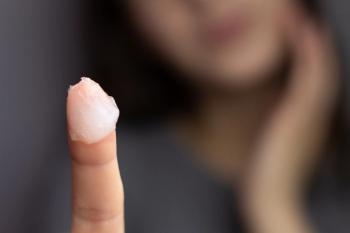
Can "slugging" with petroleum jelly improve skin, or is it just a myth? Read more about the latest social media trend and learn how to counsel your patients in the clinic.
In the Chair puts you in the hot spot, challenging you to navigate complex, real-world cases.