


Find out what skin care products and aesthetic innovations clinicians are recommending to patients for the month of April.
Find out what skin care products and aesthetic innovations clinicians are recommending to patients for the month of April.
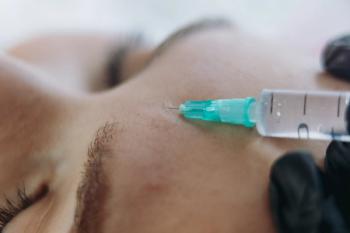
Potential FDA approval of TrenibotE was delayed due to manufacturing-related issues, with no concerns regarding safety, efficacy, or clinical trial data.
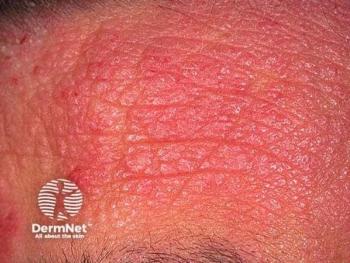
Early clinical trials indicate that dual- and triple-target antibodies may provide faster onset and more consistent itch relief in moderate to severe AD.

At the 2026 Winter Clinical Miami meeting, dermatology leaders emphasized that thriving careers require skills beyond clinical expertise.
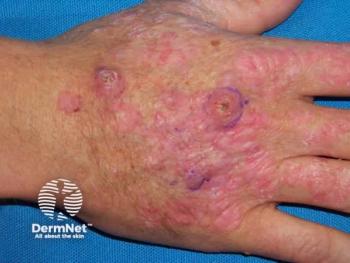
Renal transplant patients face frequent warts, fungal infections, and steroid acne, according to new 10-year data.
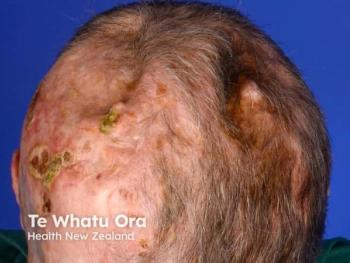
Medicus seeks FDA orphan drug status for SkinJect, a dissolvable microneedle doxorubicin patch targeting Gorlin-related basal cell carcinomas, aiming to reduce the need for repeated surgery.
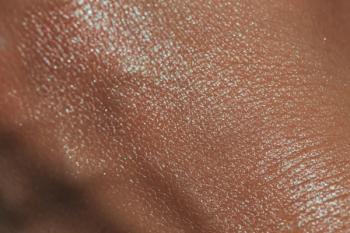
Although microbes inhabit many body sites, the skin is one of the most densely populated areas after the gastrointestinal tract.
The biologic is the first of its kind approved for young children with antihistamine-refractory CSU, expanding an existing indication that previously covered adults and adolescents.

Clinicians agreed that itch — not lesion count or BSA alone — is the most clinically meaningful driver of treatment escalation in patients with atopic dermatitis.
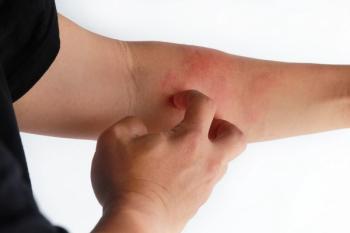
New 140-week data show that upadacitinib keeps itch, sleep, and quality-of-life gains steady in patients with moderate to severe atopic dermatitis (AD).

Patients frequently experience persistent symptoms, visible lesions, and recurrent flares that affect daily functioning and self-image.

This review of the latest dermatological studies includes insights on minoxidil in onychodystrophy, teleheath outcomes in HS patients, pediatric AD referrals, and more.
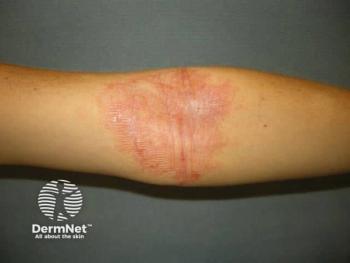
Most AD referrals were low urgency, contributing to prolonged wait times exceeding 30 weeks on average.

AI-analyzed EHRs show a surging burden of hidradenitis suppurativa, chronic urticaria, psoriasis, and eczema, with major comorbidities, costly care, and low biologic use.
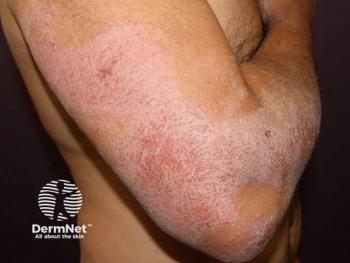
Post hoc trial data presented at AAD 2026 show near-clear atopic dermatitis and minimal itch drive bigger gains in quality of life, sleep, mental health, and satisfaction.

A meta-analysis cited in the review found depression prevalence among melasma patients at 43.4% — approximately 12 times the estimated global rate — highlighting the psychiatric weight of pregnancy-associated skin changes.

Building trust through empathetic communication, education, and support resources is essential to improving outcomes for patients with HS.

The study represents a repurposing strategy, using dupilumab as a tool compound to probe whether immune-targeted therapy can address a biologically defined subgroup of MDD.

Interim investigator-initiated trials reveal how Restylane Skinboosters and Sculptra could improve menopausal skin and address GLP-1 weight-loss volume changes.

REZPEG shows growing hair regrowth at 52 weeks in severe alopecia areata, with favorable safety, hinting at a new biologic alternative to JAKs.
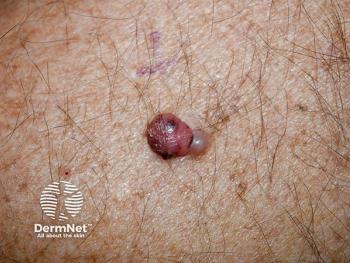

Put your dermatology expertise to the test with Dermatology Times’ interactive quiz series.

Explore the top headlines of the week, including insights on the latest clinical trials, therapeutic updates, and more.

In case you missed it, this week we had news on delgocitinib sNDA for pediatric CHE, new 12-month data for clascoterone 5% in androgenetic alopecia, the rise of GLP-1 usage in dermatology, and more.

Every week, we cut through the noise to bring clinicians the trial results, approvals, and emerging therapies that are actually moving the needle.

Meet Andrew C. Krakowski, MD, as he introduces Don't Be Rash and previews the conversations shaping the future of pediatric dermatology.

Kathleen Moe, MD, offers guidance on creating 5-star dermatology patient experience systems for faster access, consistent scripts, and guided checkout that reduce callbacks and build trust.
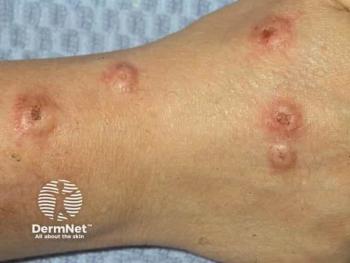
Pooled phase 3 data show dupilumab rapidly reduces prurigo nodularis activity, cuts excoriations, and boosts healing by week 24 versus placebo.
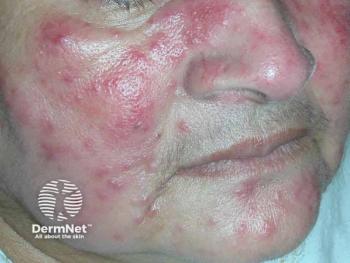
Dysregulation of the innate immune system, inflammatory cytokines, and abnormal blood vessel growth plays a key role in persistent redness and flushing.

Henry W. Lim, MD, FAAD's legacy highlights the impact of mentorship, research, and global advocacy in advancing inclusive dermatologic care and improving skin health worldwide.