

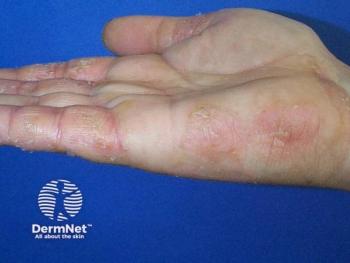
The CHECK-US study found that patients commonly perceive their CHE as driven by overlapping environmental, biological, psychological, and lifestyle factors.
The CHECK-US study found that patients commonly perceive their CHE as driven by overlapping environmental, biological, psychological, and lifestyle factors.

Phase 3 data show clascoterone solution sustains hair regrowth for 12 months with vehicle-like safety, paving the way for a novel male androgenetic alopecia option.
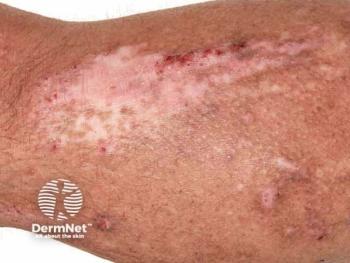
A new gene expression profiling (GEP) test may transform how clinicians select systemic treatments for moderate to severe atopic dermatitis (AD).
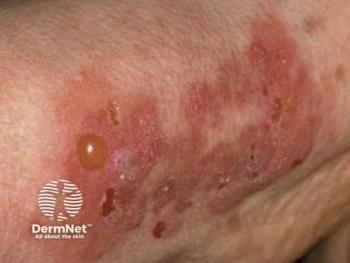
A new case-control study found that patients with pemphigus vulgaris and bullous pemphigoid face more than twice the odds of comorbid acute stress disorder compared with matched controls.

Elevated rates of herpes simplex, herpes zoster, and opportunistic infections in the vitiligo cohort underscore infection risk considerations

Spatial transcriptomics reveals how UVB phototherapy calms vitiligo skin, silencing IFN-γ pathways and memory T cells to drive repigmentation.

FDA will review LEO Pharma's delgocitinib cream for adolescent patients aged 12-17 with CHE, backed by phase 3 gains and addressing a major treatment gap.

This review of the latest dermatological studies includes insights on the use of microneedling in wound healing, pediatric HS treatment patterns, the role of blood-related phenotypes in hypertrophic scars and keloids, and more.

A large All of Us cohort analysis found high rates of obesity and depression in both eczema and psoriasis, reinforcing their systemic nature.

A new systematic review shows vitiligo’s stigma-driven mental health and quality-of-life burden varies by culture, urging culturally tailored, multidisciplinary care and education.

Take today's poll and explore real-world VHA data showing delayed, low biologic use in chronic spontaneous urticaria, alongside rising ER, inpatient, and outpatient visits after diagnosis.

Many participants in the mobile screening program have never previously seen a dermatologist.

Oral therapies may provide more widespread and effective repigmentation, especially in extensive nonsegmental vitiligo.
A retrospective claims analysis found that nearly half of patients newly diagnosed with vitiligo by a dermatologist did not initiate therapy, and those who did showed low persistence across treatment categories.

A rare case shows HAE with chronic spontaneous urticaria; non-itchy facial swelling despite omalizumab signals C4 and C1-INH testing.

Work productivity loss fell from 44.3% at baseline to 19.0% at week 52 in the total study population, representing a clinically meaningful reduction in occupational impairment over the full treatment period.

Two oral BTK inhibitors and two injectable biologics demonstrated superior efficacy over placebo in a systematic review of 16 CSU trials.

In this episode, Daniel Walker, MD, FAAD, explains how GLP-1 drugs may be effective for psoriasis and HS, linking skin inflammation with weight and heart health.

Although dermatologists are not expected to routinely prescribe GLP-1 drugs, they are increasingly encountering cutaneous effects, especially hair loss and facial volume loss.

Put your dermatology expertise to the test with Dermatology Times’ interactive quiz series.

Explore the top headlines of the week, including insights on the latest clinical trials, therapeutic updates, and more.

This week, we feature top articles from our sister publications on regulatory updates, clinical trial insights, and more.

Every week, we cut through the noise to bring clinicians the trial results, approvals, and emerging therapies that are actually moving the needle.
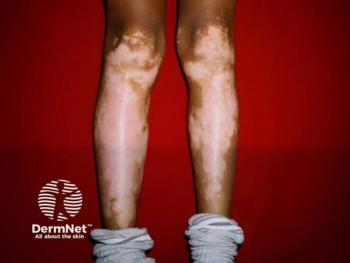
Late-breaking data presented at AAD 2026 showed that upadacitinib 15 mg produced statistically significant, progressively improving repigmentation in adults and adolescents with non-segmental vitiligo through 48 weeks.

The guidelines formalize a stepwise treatment approach ranging from emollients and topical steroids to systemic therapies.

Phase 2/3 brepocitinib trial will target moderate to severe LPP, aiming to calm inflammation and symptoms and potentially deliver the first FDA-approved systemic option.
GLP-1 agonists may aid psoriasis, wound healing, and cardiometabolic health—Daniel Walker, MD, FAAD, explains why dermatologists should start to pay attention.

New studies suggest tattoo pigments migrate to lymph nodes, complicate skin exams, and may raise lymphoma risk—what dermatologists now watch for.
The newly published tool, ODD-SPOT, offers a plain-language, photo-supported alternative to the ABCDE criteria, designed to capture the key warning signs of BCC, SCC, and melanoma in accessible terms.
David Oberlin, MD, shares tips for integrating AAD insights and lessons into the clinic to improve patient care.