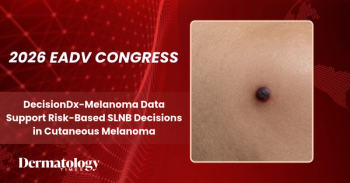
Prospective data suggest DecisionDx-Melanoma may help refine SLNB decisions and identify recurrence risk beyond conventional staging.

Explore evidence-backed nutricosmetics and hormone-aware nutrition for women’s skin and hair—plus what to know about collagen and dosing.
At the upcoming conference,
According to Russak, the aging process often starts in the late 20s as estrogen levels gradually decline, triggering metabolic, structural, and hormonal changes that may precede visible signs of aging by years or even decades. Her session will explore how these physiologic changes affect skin integrity over time and where nutrition and targeted supplementation may support overall skin and hair health.
A key point Russak hopes to clarify for clinicians is that not all nutraceuticals are supported by equal levels of evidence. She noted that some ingredients have strong randomized controlled trial data, while others remain largely theoretical. Rather than dismissing or universally embracing the category, Russak advocates for a more nuanced, tiered evaluation of products based on the quality of available evidence. She emphasized the importance of distinguishing between proven therapies, promising interventions, and premature claims when counseling patients.
Russak noted that collagen supplementation remains one of the most common topics raised in clinic. She explained that current data support the absorption and efficacy of collagen peptides, particularly marine collagen, which she described as highly bioavailable when used at clinically meaningful doses. Increasingly, patients are also connecting hormonal fluctuations during perimenopause with changes in skin quality and are seeking guidance on how to address these concerns.
When evaluating nutricosmeceutical products, Russak encouraged dermatologists to focus on dose, formulation, and supporting data rather than marketing trends or viral popularity. She also cautioned against high-sugar formulations, noting that excess sugar contributes to glycation and collagen degradation, potentially counteracting intended benefits.
Looking ahead, Russak predicted that nutricosmetics will become increasingly integrated into dermatology practice through personalized protocols that combine nutrition, supplements, topical therapies, and in-office procedures tailored to a patient’s hormonal and life stage. She stressed that dermatologists should actively engage in these discussions, as many patients are already using supplements and looking to physicians for evidence-based guidance.
Looking to stay ahead of the evolving trends in holistic female care? Join