


In this first episode, Elizabeth Buzney, MD, explains why EPP patients suffer for years before receiving an accurate diagnosis, and what clinicians need to know about this debilitating rare disease.
In this first episode, Elizabeth Buzney, MD, explains why EPP patients suffer for years before receiving an accurate diagnosis, and what clinicians need to know about this debilitating rare disease.

Every week, we cut through the noise to bring clinicians the trial results, approvals, and emerging therapies that are actually moving the needle.

Rajani Katta, MD, and Renata Block, DMSCc, MMS, PA-C, explore how gut microbes, fiber, and fermented foods could shape eczema, acne, and rosacea—and why probiotics aren’t one-size-fits-all.
Neal Bhatia, MD, explains why photodynamic therapy's ability to target subclinical damage across the entire field makes it one of dermatology's most powerful chemopreventive tools.
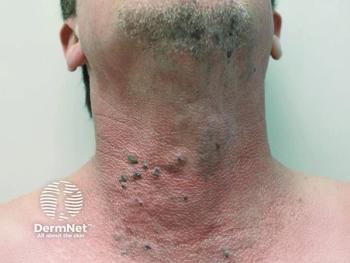
Phase 2 TOIVA data show Palvella's QTORIN rapamycin reduces bleeding and improves quality of life in cutaneous venous malformations, addressing an unmet treatment need.

Biologics and oral JAK inhibitors are now strongly recommended for moderate to severe pediatric atopic dermatitis, signaling a shift toward earlier systemic treatment escalation.
Maryanne Makredes Senna, MD, discusses emerging data suggesting extended-release oral minoxidil tablets may improve efficacy while minimizing cardiovascular adverse effects in patients with androgenetic alopecia.

International experts set new skin care guidance for aesthetic procedures, detailing which actives speed healing, reduce irritation and PIH, and improve results.

Kavita Mariwalla, MD, FAAD, explains why melanoma is rising in young women, how tanning trends and sunscreen myths spread online, and what prevention steps work best in younger patients.

Despite rapid market growth, many regenerative aesthetic products lack the rigorous nonclinical and clinical safety data that regulators typically require.

Dermatology Times' editor in chief highlights essential late-breaker data from AAD 2026, including upadacitinib, rezpegaldesleukin, icotrokinra, zasocitinib, envudeucitinib, sonelokimab, and more.

Researchers found that adult patients with suspected but unconfirmed HS were more likely to receive symptom-targeted treatment rather than comprehensive disease management.

Clinicians discuss how melanoma gene expression profiling guides sentinel node biopsy choices, refines early-stage risk, and shapes personalized surveillance and oncology referral.
Neal Bhatia, MD, makes the case for photodynamic therapy as a versatile, field-treating option, not just an alternative to surgery.
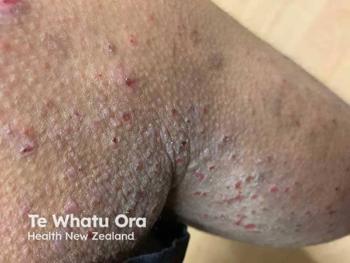
Emma Guttman-Yassky, MD, PhD, discusses findings from an abrocitinib on-off JADE REGIMEN analysis and what they may mean for disease modification in atopic dermatitis.

This review of the latest dermatological studies includes insights on cross-linked HA for neck wrinkles, dupilumab for eczema molluscatum, 10 ms pulsed dye laser for rosacea, and more.

Australian multicenter data shows older head and neck squamous cell carcinoma patients often miss standard radiotherapy-plus-chemo, yet guideline care boosts survival.

New HS study links prior bariatric surgery to lower pain and depression scores but adjusted results show no clear benefit.

Real clinical case scenarios with progressive diagnostic clues challenge dermatology clinicians to think on their feet, sharpen their diagnostic reasoning, and apply practice-changing takeaways at the point of care.

David Oberlin, MD, FAAD, said the true value of AAD lies in clinicians returning to practice and applying new knowledge to patient care.

Listening to favorite music or white noise during cosmetic botulinum toxin injections eases pain and stress, especially for first-time patients, with simple, low-cost comfort benefits.

In a pilot study, autologous IgG injections show early, lasting symptom and quality-of-life gains in antihistamine-resistant chronic spontaneous urticaria (CSU).
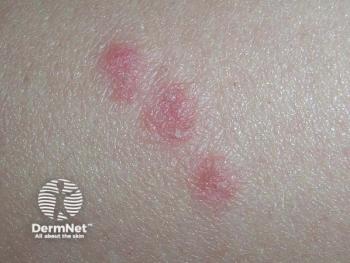
Investigators reported that individualized adalimumab dose adjustments based on serum drug levels could increase clinical response rates compared with standard dosing.

Dermatology Times' editor in chief highlights essential late-breakers from AAD 2026, including rademikibart, KT-621, nemolizumab, and delgocitinib.

Put your dermatology expertise to the test with Dermatology Times’ interactive quiz series.

Translational Takeaways distills the most clinically relevant findings from emerging dermatology research into clear, practice-focused insights that inform real-world decision-making.

Can a Mediterranean diet clear skin, or is it just a myth? Read more about the latest social media trend and learn how to counsel your patients in the clinic.
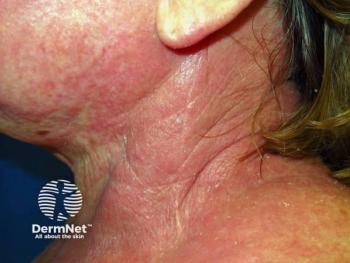
Data show that upadacitinib reduces systemic inflammatory burden in AD, including hs-CRP, a biomarker validated as an independent predictor of major cardiovascular events.

Every week, we cut through the noise to bring clinicians the trial results, approvals, and emerging therapies that are actually moving the needle.
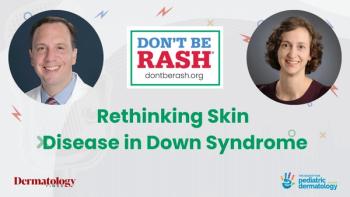
Jillian Rork, MD, discusses how Down syndrome is increasingly being understood through the lens of immunology and inflammatory skin disease.