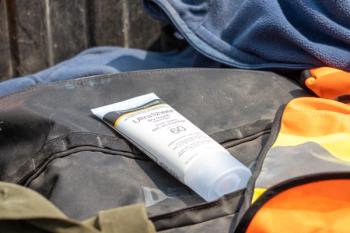
Two new Neutrogena facial sunscreens incorporate bemotrizinol, the first new sunscreen active ingredient added to the US OTC monograph in decades.
Dermatology Times is looking back on the top stories in dermatology from the month of March.
Patients treated with deucravacitinib achieved higher ACR20 response rates at week 16 than those receiving placebo in the POETYK PsA studies.
Novartis secured the approval through a pharmacokinetic extrapolation strategy rather than a full pediatric RCT, leveraging adult HS trial data and existing pediatric PK modeling from other approved indications.
Sun Pharma's tildrakizumab nears psoriatic arthritis approval as FDA accepts a supplemental biologics license application (sBLA), spotlighting IL-23 benefits for active disease.
Clinical trial data showed approximately 70% of patients achieved clear or almost clear skin with icotrokinra by week 16.
The upcoming trial will assess an injectable formulation of Xvie, distinct from its currently available topical counterpart.
Priovant Therapeutics' brepocitinib has been assigned a Prescription Drug User Fee Act date in the third quarter of 2026.
FDA Fast Track boosts hopes for QRX003 lotion in Netherton Syndrome, with early trials showing rapid skin healing and itch relief.
Clearance rates increased between days 29 and 57, with the highest activity observed in the 200-μg treatment group.
Results show that bimekizumab achieved significantly higher ACR50 response rates at week 16 than risankizumab in adults with active PsA.
New case-control study data link tattoo exposure to a higher melanoma risk, prompting fresh scrutiny of ink chemicals and long-term skin safety.
Positive phase 3 findings from ADorable-1 suggest lebrikizumab could expand biologic treatment options for younger patients with atopic dermatitis (AD).
Phase 2 APEX part A data showed zumilokibart maintained EASI-75 responses in 75–85% of week 16 responders at 1 year across quarterly and biannual dosing regimens.
Trainees identified legal, ethical, and reliability concerns as key barriers to integrating AI into dermatology practice.
A multicenter trial in China shows ALA-PDT clears Bowen’s disease in 97% with low recurrence, minimal scarring, and high patient satisfaction.
Rocatinlimab had met primary end points in large phase 3 trials and was previously expected to move toward regulatory submission in 2026.
The double-blind, randomized, placebo-controlled ARQ-234-131 study will assess safety, tolerability, pharmacokinetics, and early signs of clinical activity.
Mark Lebwohl, MD, discusses how the 487-GEP test may help clinicians identify the most appropriate systemic therapy for patients with AD earlier in the treatment journey.
On National Dermatologist Day, EltaMD unveils oil-balancing UV Clear SPF 50, clinically reducing the appearance of blemishes, shine, and pore size. Learn more in this Q&A with Seemal R. Desai, MD, FAAD, and Annie Woo, MD.
Clinician contract negotiation is often treated as administrative, but it directly affects pay, autonomy, workflow, and career trajectory.
New data show that nearly 40% of eczema patients face insurance-related barriers, delaying or preventing access to prescribed therapies.
On National Skin Barrier Day, dermatologists share barrier-saving tips for gentle cleansing, daily sunscreen, smarter product audits, and retinoid adherence.
A combined group of ophthalmology and dermatology specialists traveled to communities in Nepal to conduct consultations, procedures, and teaching sessions, and specifically in dermatology, skin malignancy removals, trainings on biologics and JAKs, and melanoma detection demonstrations.
A survey of dermatology residents found that interest in subspecialty fellowships often declines during training, with financial concerns particularly affecting pediatric dermatology.
A new study reveals gaps in acne management for teens with PCOS; Hispanic patients are less likely to receive spironolactone, COCs, or isotretinoin treatment.
In the latest Cutaneous Connection podcast episode, Doris Day, MD, FAAD, offers practical guidance for clinicians looking to incorporate discussions of hormonal health into aesthetic consultations with menopausal patients.
A qualitative study found that hidradenitis suppurativa (HS) significantly influences patients’ daily decisions, emotional health, relationships, and financial stability.
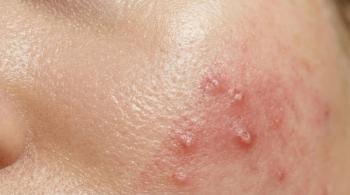
Researchers observed early reductions in acne lesions, with improvements beginning within 5 days of dermocosmetic treatment in patients with acne.
Recent reviews highlight that melanoma risk associated with occupational UV exposure varies by tumor subtype, anatomical site, and individual susceptibility.